Last updated November 21, 2026
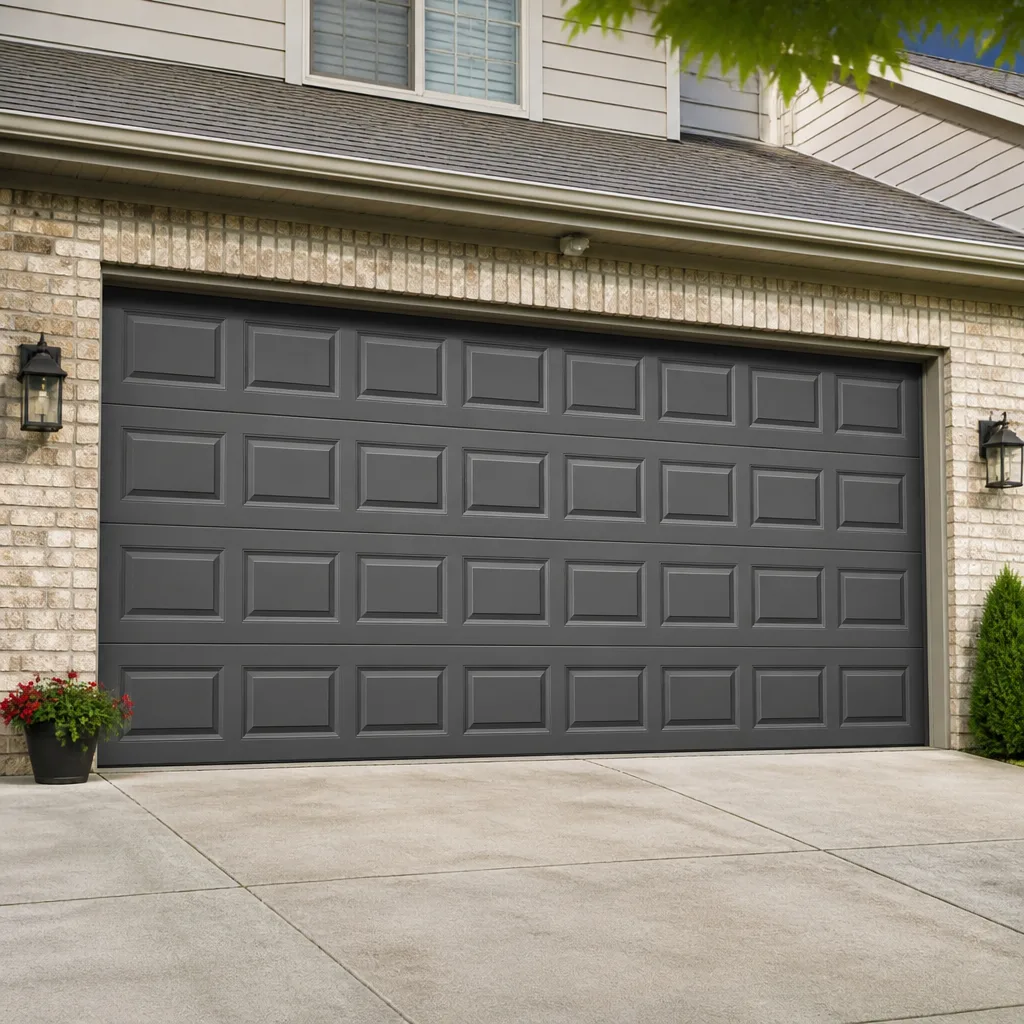 Raised-panel steel
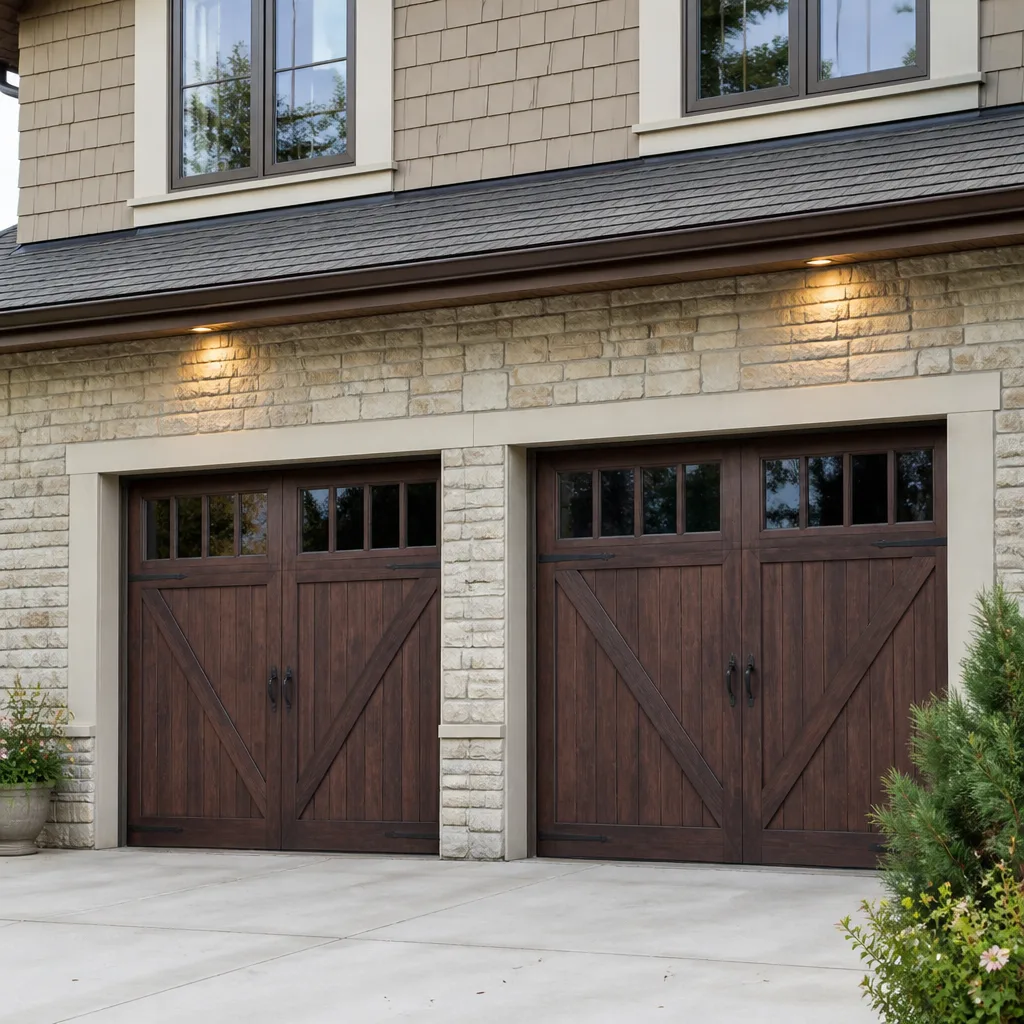 Carriage house
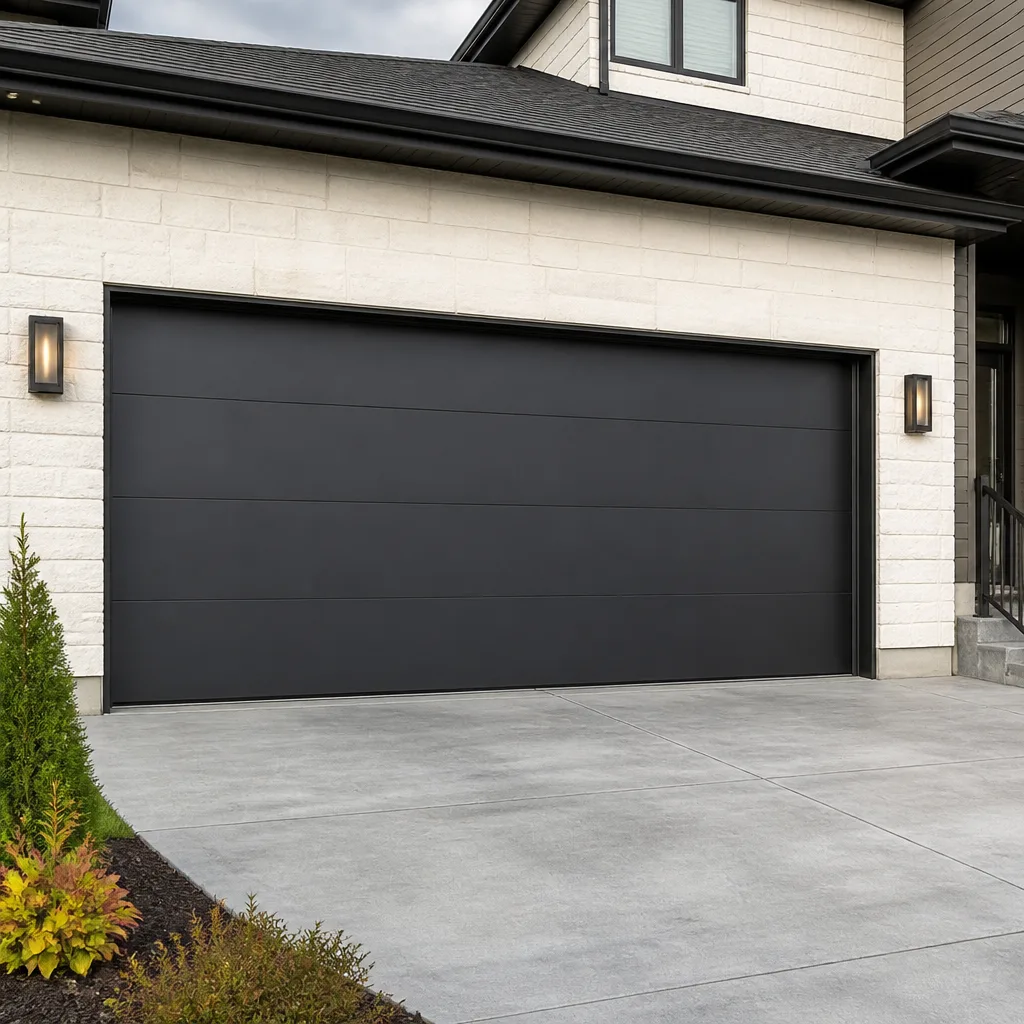 Modern flush
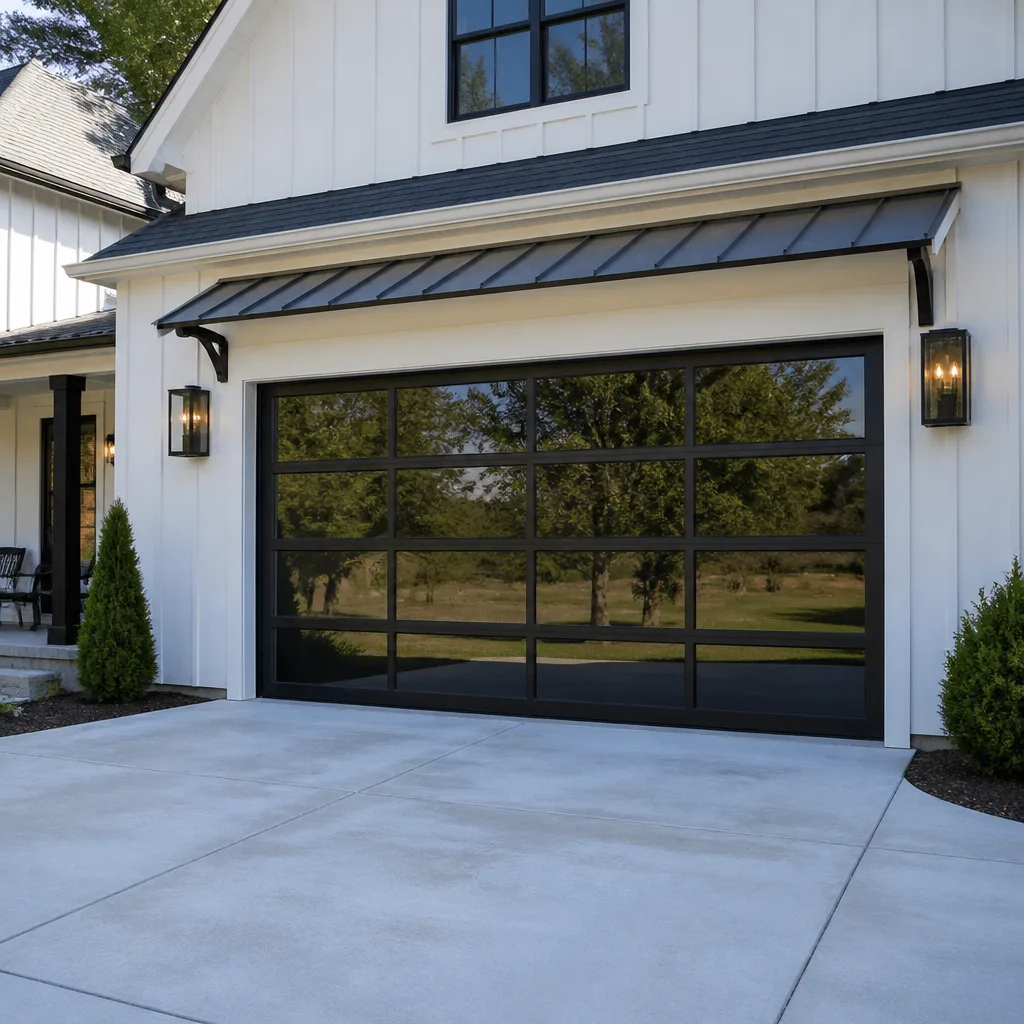 Full-view glass
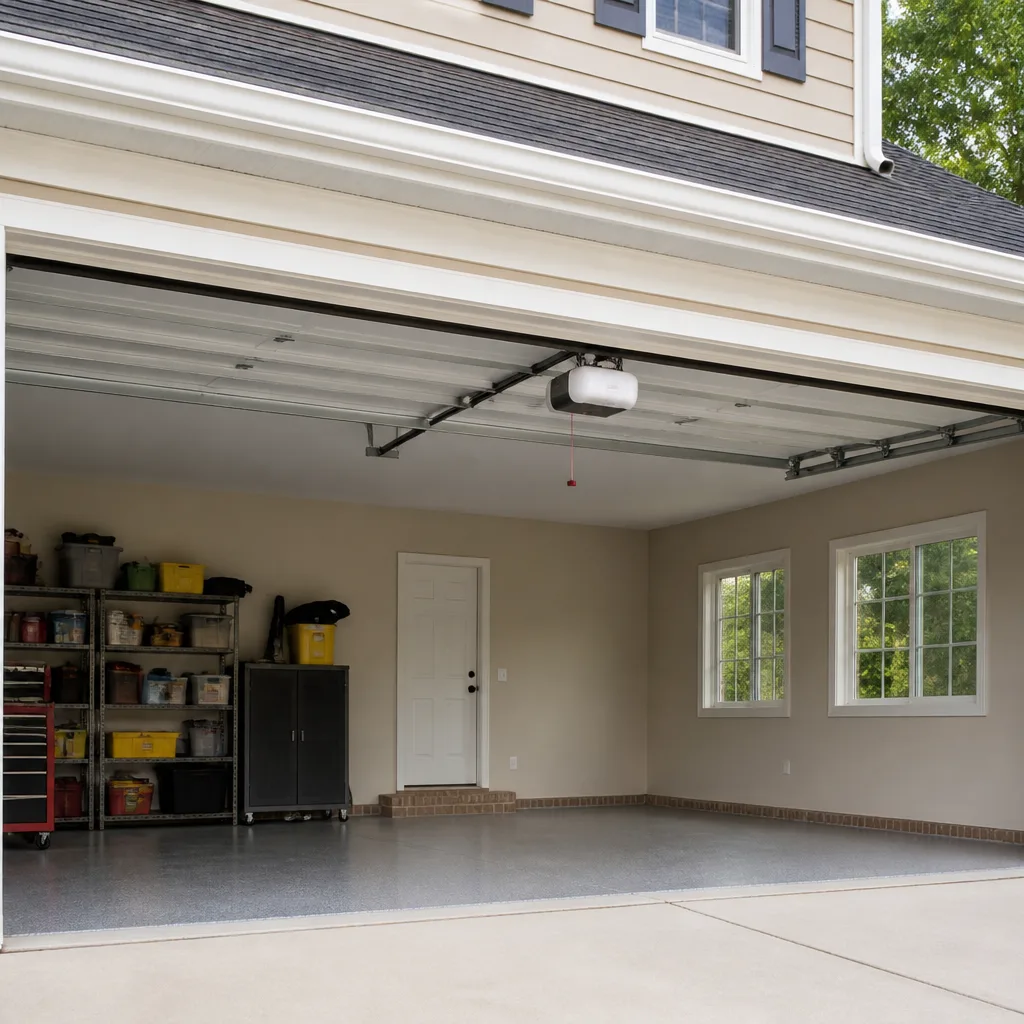 LiftMaster openers
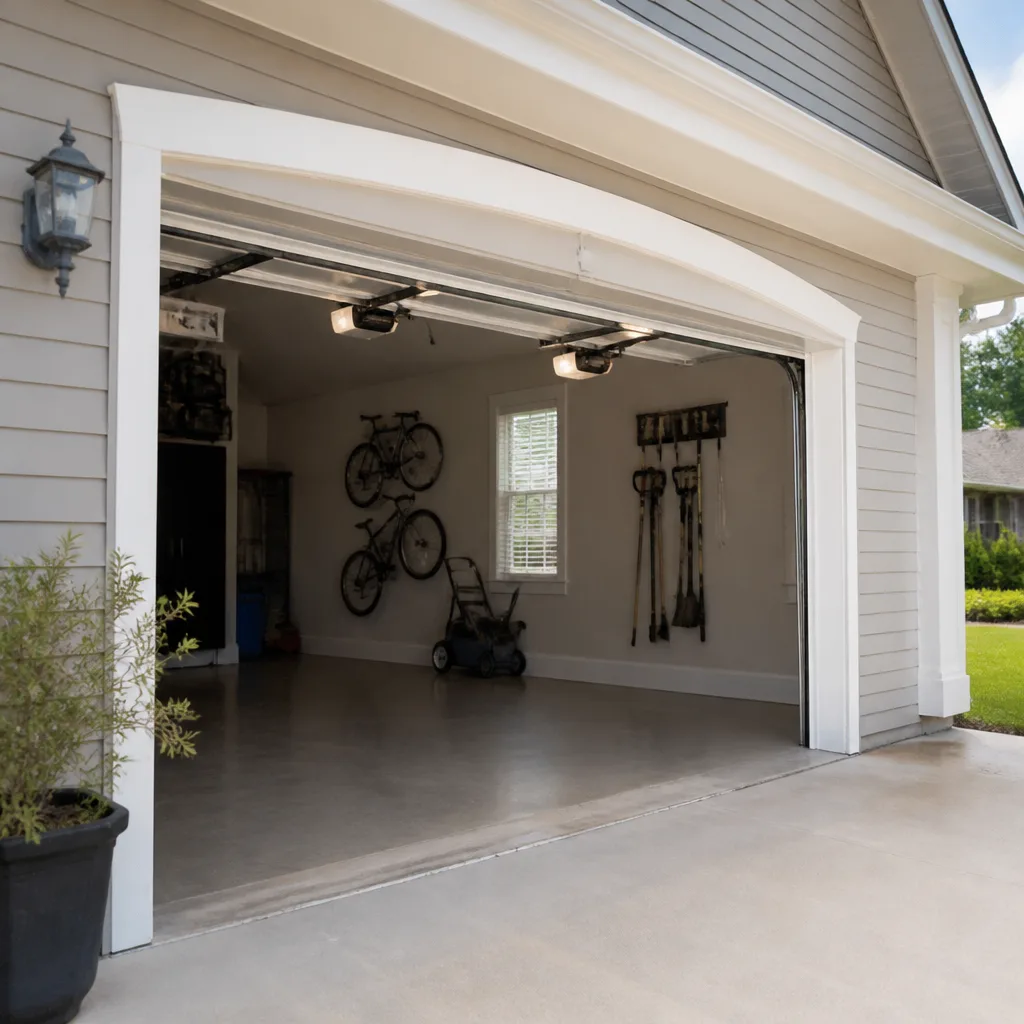 Chamberlain openers
Full 25-point door and opener safety check with every visit - springs, cables, rollers, tracks, and your LiftMaster or Chamberlain opener included
You get a price before we start. It does not change when the pro arrives.
Get your free estimateSeasonal Garage Door Care for Ellicott City: Year-Round Homeowner’s Guide
Most homeowners treat a garage door as one appliance that needs one set of habits. It isn’t. In Ellicott City, that same door faces four genuinely different kinds of stress across a calendar year, and the failure that shows up in July often started with something you did or didn’t do in April. January and July are the two months when doors here come off their tracks most often, and the reasons are almost opposites: freeze-binding in the cold, humidity expansion in the heat. Neither is bad luck. Both are preventable with the right seasonal prep. This guide walks through each season as its own engineering problem, explains what actually happens to springs, tracks, seals and openers in Ellicott City conditions, and gives you a single annual service window that catches the most failure points at once.
Quick Answer
Seasonal garage door care in Ellicott City means adjusting what you check and lubricate as the weather changes: humid summers swell wood doors and compress weather seals, fall brings leaf and grit infiltration into tracks at homes under tree canopy, winter freeze-binding and cold grease strain both the hardware and the opener, and spring flooding near Tiber Branch and lower Main Street can warp bottom sections and corrode hardware. The highest-value habit is one professional service visit scheduled in early fall, because it addresses summer wear, prepares the door for freeze season, and clears debris before winter. Between visits, the season-specific checks in this guide cover the rest.
Styles & brands we work with
- Raised-panel steel
- Carriage house
- Modern flush
- Full-view glass
- LiftMaster openers
- Chamberlain openers
Table of Contents
- Summer: Humidity, Swelling, and Seal Compression
- Fall: Debris Infiltration and Track Cleaning Without Damage
- Winter: Freeze-Binding, Grease Migration, and Opener Strain
- Spring: Post-Flood Inspection for Homes Near Water
- What the Opener Is Doing in Each Season
- The One Annual Service Visit and When to Book It
- Common Mistakes to Avoid
- Frequently Asked Questions
Summer: Humidity, Swelling, and Seal Compression
Ellicott City summers are humid, and humidity is the quiet engine behind a lot of mid-summer garage door problems. Wood doors take on moisture through end grain and unfinished edges, and the panels swell. When they swell, they bind against the frame and the door starts to close unevenly or stick a few inches above the floor. Steel doors behave differently: the panels expand slightly with heat and the joints move. That movement is normal, but it punishes anything already loose.
The part most homeowners overlook is the bottom weather seal. In summer heat the rubber or vinyl compresses and softens, and a seal that was making contact in March may sit flush against the concrete without actually sealing. You’ll notice it as humidity inside the garage, insects getting in, or water finding its way under the door after a storm. Check the seal on a hot afternoon by closing the door and looking for daylight underneath from inside the garage. If you can see light along more than a small stretch, the seal has lost its shape.
What to watch in summer:
- Wood doors: look for swelling at the bottom rail and along panel edges, and for paint cracking at joints where moisture is getting in.
- Steel doors: check that panel hinges and rollers still sit square; heat expansion reveals loose hardware.
- Weather seal: check contact along the full width, not just the middle. Corners fail first.
- Track alignment: humidity warping in wood doors can push the door against one track. If the door rubs on one side only, that’s a symptom, not a track problem on its own.
If your door has started rubbing, sticking, or coming down crooked, that’s the point to get it looked at rather than forcing it. Our garage door repair service covers alignment, roller and hinge tightening, and seal replacement, and we work on the brand already in your garage, whether that’s a LiftMaster opener or a Wayne Dalton door. Catching swelling early is cheap; catching it after the door has jumped a track is not.
Fall: Debris Infiltration and Track Cleaning Without Damage
Ellicott City has a lot of mature tree canopy, and if your driveway sits under it, fall is when debris does the most quiet damage. Leaves are the obvious problem. The grit and small twigs that come down with them are worse, because they work into the track channels and the roller assemblies and stay there. A track packed with leaf grit doesn’t just look bad; it forces the rollers to ride unevenly, and that’s how doors end up off-track in the middle of winter, when the problem is harder to fix.
The bottom seal channel is where most debris collects and where most homeowners cause damage trying to clear it. The channel holds the bottom seal, and prying at it with a screwdriver or a stiff scraper tears the seal lip or bends the retainer. Don’t do that. The safe approach is to work the debris out with your hands and a soft brush, and if the channel is packed tight or the seal needs to come out, that’s a job for someone who knows how the retainer is fitted on your specific door brand.
- Clear leaves and twigs from the track channels on both sides, using a soft brush or a vacuum with a crevice tool.
- Wipe the vertical and horizontal tracks with a damp cloth, then dry them. Don’t leave moisture sitting in the channel.
- Run a vacuum along the bottom seal channel to lift grit without prying at the seal itself.
- Check the roller stems for debris and confirm each roller is seated in its track.
- Look at the hinges and tighten anything that has worked loose over the summer.
- Test the balance of the door by disconnecting the opener and lifting it halfway by hand. It should hold there. If it drops or rises on its own, the springs need attention, and that’s not a fall cleanup task.
If the door is out of balance or the springs look stretched or have visible gaps in the coils, stop there and call us. Spring work is genuinely dangerous, and it’s one of the repairs we handle directly rather than sending out. Our garage door spring repair covers both torsion and extension springs, and it’s the repair most worth doing before winter, because a fatigued spring under freeze stress is where most cold-weather failures start.
Winter: Freeze-Binding, Grease Migration, and Opener Strain
Winter is when the temperature itself becomes the problem. Two things happen at once. First, lubricant in the tracks, rollers and hinges thickens as it gets cold, and thickened grease stops doing its job. Second, the metal contracts, clearances tighten, and any moisture that got into the tracks or seals freezes. The door doesn’t fail because anything broke; it fails because the opener is now pushing against a door that’s fighting back. That’s freeze-binding, and it’s the single most common reason doors in Ellicott City come off their tracks in January.
The grease question matters more than most homeowners realize. Standard all-purpose grease and heavier oils migrate and stiffen in the cold. If you lubricate in November with the wrong product, you’re actually adding resistance. Before temperatures drop below 20°F, switch to a cold-weather lubricant: a lithium or silicone-based spray on the hinges, rollers and torsion spring, and a light spray on the track itself rather than grease. Fewer, thinner coats. Grease attracts grit, and grit plus cold equals binding.
What to check before the first hard freeze:
- Lubricant: switch to a cold-rated spray on hinges, rollers and springs before the temperature drops below 20°F. Don’t apply heavy grease going into winter.
- Bottom seal: make sure it’s making contact. A gap lets in cold air and lets moisture freeze under the door.
- Door balance: test it disconnected from the opener. A door that won’t hold halfway is putting extra strain on the opener all winter.
- Opener force settings: an opener working against a stiff door at cold temperatures forces harder. If you hear grinding or the door reverses on the way down, stop using the opener and get it checked.
- Tracks: confirm nothing is sitting in the channel where ice can form.
If your opener is straining, reversing, or making a sound it didn’t make in October, that’s worth looking at before it fails. Our garage door opener repair covers the electronics and force calibration as well as the mechanical side, and we’re familiar with the openers most common in this area, including LiftMaster and Craftsman units. And if a door does fail in the cold, we do provide emergency garage door service, because a stuck door doesn’t wait for Monday morning.
Spring: Post-Flood Inspection for Homes Near Water
Spring in Ellicott City brings a specific kind of risk that most garage door guides never mention: flooding. Homes near Tiber Branch and the lower Main Street area know this history better than anyone, and the garage is usually the lowest point on the property. Water that gets into a garage doesn’t just leave a mess. It gets into the bottom section of the door, the bottom seal, the hinges and the track base, and it starts doing damage immediately even after it drains.
What water intrusion actually does:
- Bottom sections: a steel bottom panel that takes on water at the seams starts to rust from the inside, and the rust shows up months later as bubbling paint and a weakened panel.
- Bottom seal: a soaked seal loses its shape and its contact, and it may take days to dry out. A seal that sat in water is often a seal that needs replacing.
- Hardware: hinges, roller stems and track fasteners at the floor level corrode fastest. Rusted hinges bind, and binding hinges throw the door off its line.
- Tracks: silt and grit settle in the channels and the base of the vertical tracks, and that grit is what forces rollers out of alignment.
After any water event, here’s the inspection sequence:
- Let everything dry thoroughly before operating the door. Don’t run the opener while the tracks or seals are wet.
- Inspect the bottom section for rust, bubbling paint, or soft spots along the seams.
- Check the bottom seal for deformation. If it’s lost its profile, plan on replacing it.
- Look at hinges and track fasteners at floor level for rust.
- Clear silt from the tracks before the first full cycle.
- Test the door balance by hand, then cycle it once with the opener and listen for anything new.
If the door is binding, rusted at the base, or the seal needs replacing after a wet spring, our Ellicott City Garage Door Repair team can assess it and give you a clear answer on what needs replacing versus what just needs attention. In spring, that distinction matters more than in any other season.
What the Opener Is Doing in Each Season
The opener gets blamed for a lot of problems that start in the door, and in each season it’s absorbing a different kind of stress. Understanding that helps you know when to call for opener repair and when the door itself is the issue.
In summer, the opener is working against a door that may be swelling or binding, and the motor compensates by pushing harder. In fall, debris in the tracks creates resistance the opener has to overcome on every cycle. In winter, cold grease and freeze-binding are the strain. In spring, corrosion and post-flood grit do the same. In every case, the opener is the thing that fails last, because it’s doing what it’s told while the door fights it.
Signs the opener is under strain rather than failing:
- The door reverses before it reaches the floor
- The motor sounds louder or rougher than it did a few months ago
- The door moves unevenly or hesitates mid-travel
- The opener trips its force limit and stops
If your opener is a smart unit, check its app for error codes and adjust the force setting only if you understand what you’re adjusting. Force settings that are set too high to compensate for a binding door can mask a real problem and eventually cause damage. Modern LiftMaster and Chamberlain openers in particular will tell you when they’re straining, and that’s the point to get the door checked rather than turning up the force.
The One Annual Service Visit and When to Book It
If you do one professional thing a year, book a garage door service visit in early fall, before the first freeze and after summer has done its damage. That timing catches more failure points at once than any other window.
Why early fall works:
- Summer swelling and seal compression are visible and fixable before cold weather locks them in.
- Debris from fall is in the tracks, so cleaning happens before winter grit combines with ice.
- Lubricant can be switched to a cold-rated product before temperatures drop below 20°F.
- Springs can be assessed for fatigue while there’s still time to replace them before freeze stress.
- The door can be balanced and the opener force checked before the season it matters most.
A good service visit covers lubrication, track alignment, roller and hinge inspection, balance testing, seal assessment, and opener calibration. Our technicians have up to 8 years of experience, and they’ll tell you plainly what needs doing and what can wait. If you want a new door rather than a service, that’s a measured, scheduled job, so plan on a free measure and a written price rather than a same-day fix.
Common Mistakes to Avoid
- Greasing the tracks. Tracks should be clean and lightly lubricated with a dry or silicone spray, not greased. Grease attracts grit, and grit in the channel is what forces rollers out of alignment.
- Using the wrong lubricant going into winter. Standard grease stiffens below 20°F and adds resistance instead of reducing it. Switch to a cold-rated spray before the season turns, not after.
- Prying at the bottom seal channel. The retainer holds the seal, and a screwdriver or scraper bends it or tears the lip. Clear debris with a vacuum or soft brush, and let a technician handle the seal itself.
- Ignoring a door that rubs on one side only. A door rubbing on one track is a symptom of swelling, a bent track, or a worn roller, and it gets worse every cycle. It won’t fix itself in winter.
- Turning up the opener force to compensate for a binding door. That masks the real problem and strains the opener. Fix the door and the opener stops complaining.
- Operating the door after a flood without drying it out. Water in the tracks, seals and hinges plus a full cycle is a recipe for rust and misalignment. Dry first, inspect, then operate.
- Trying to adjust or replace springs yourself. Torsion and extension springs are under extreme tension and can cause serious injury. This is the one part of garage door care that should always go to a trained professional.
See the difference
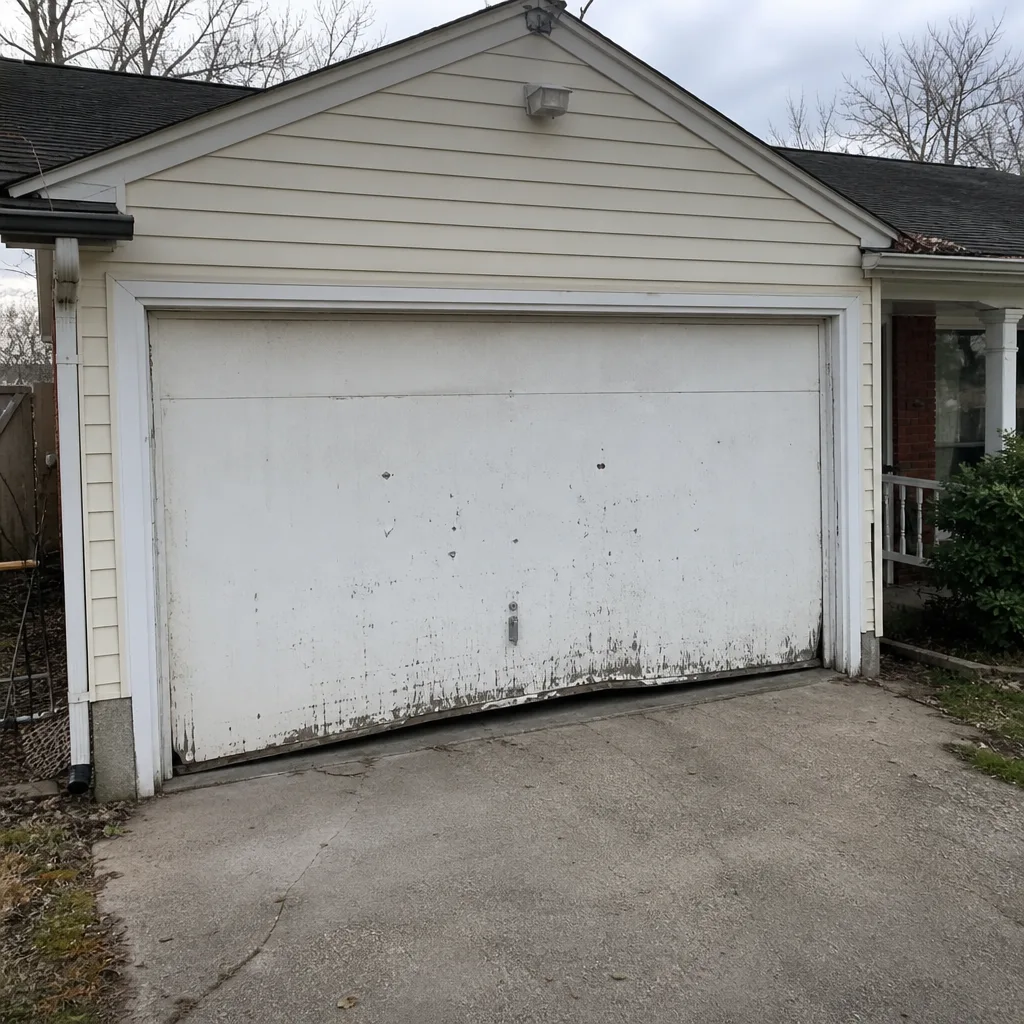 Before
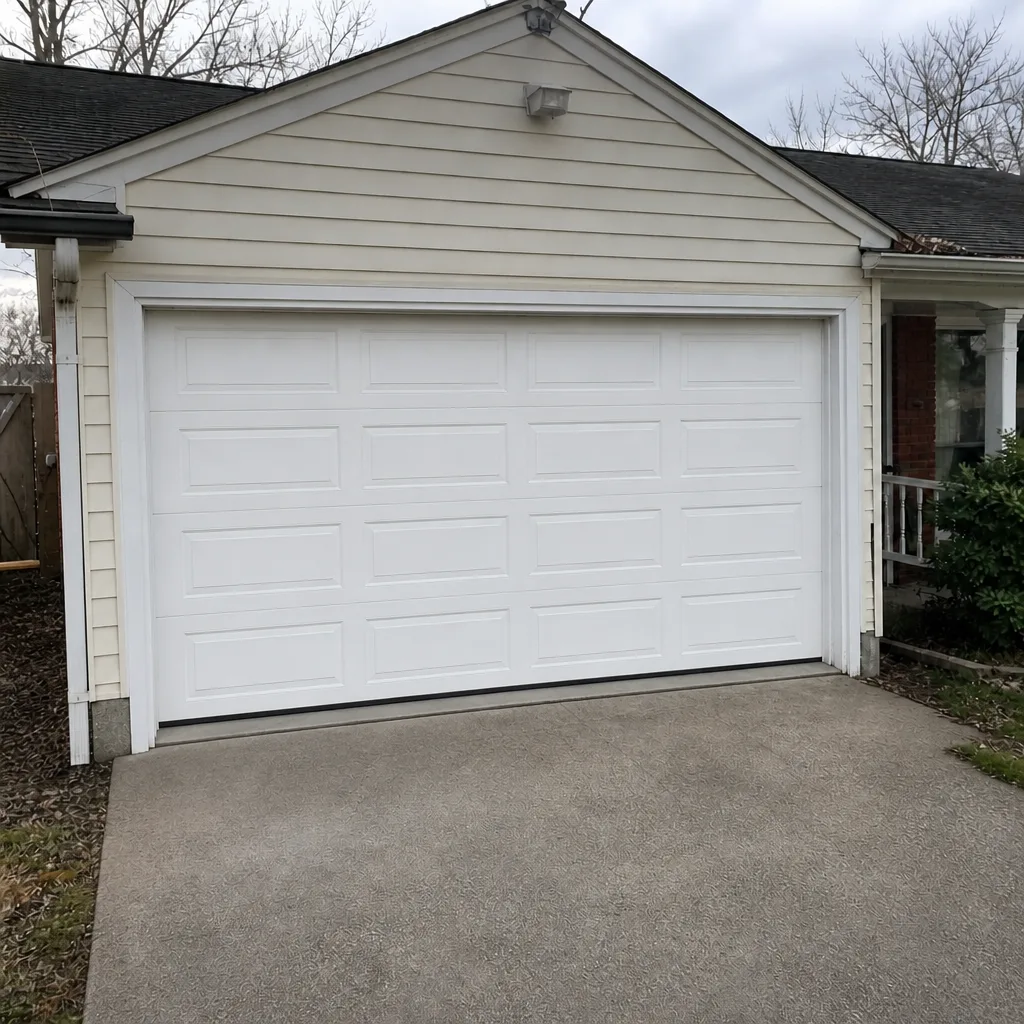 After
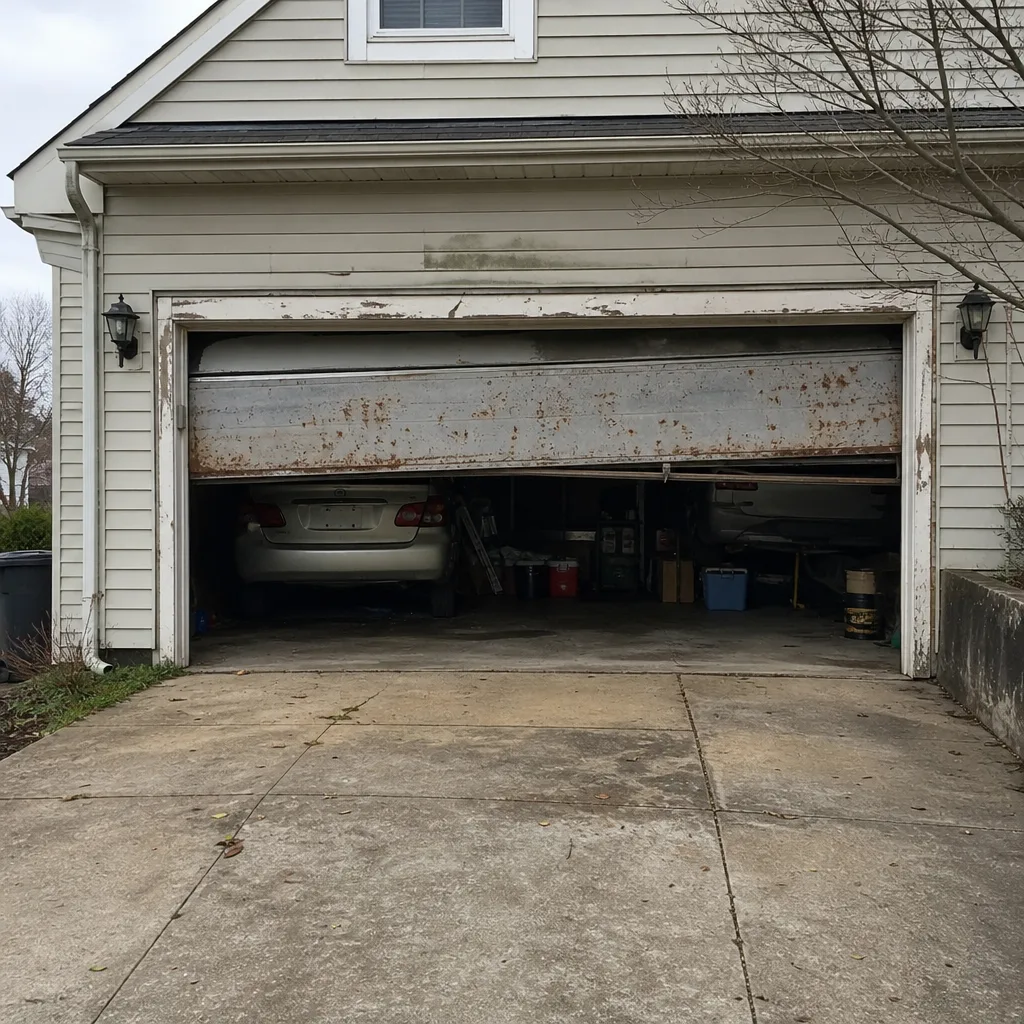 Before
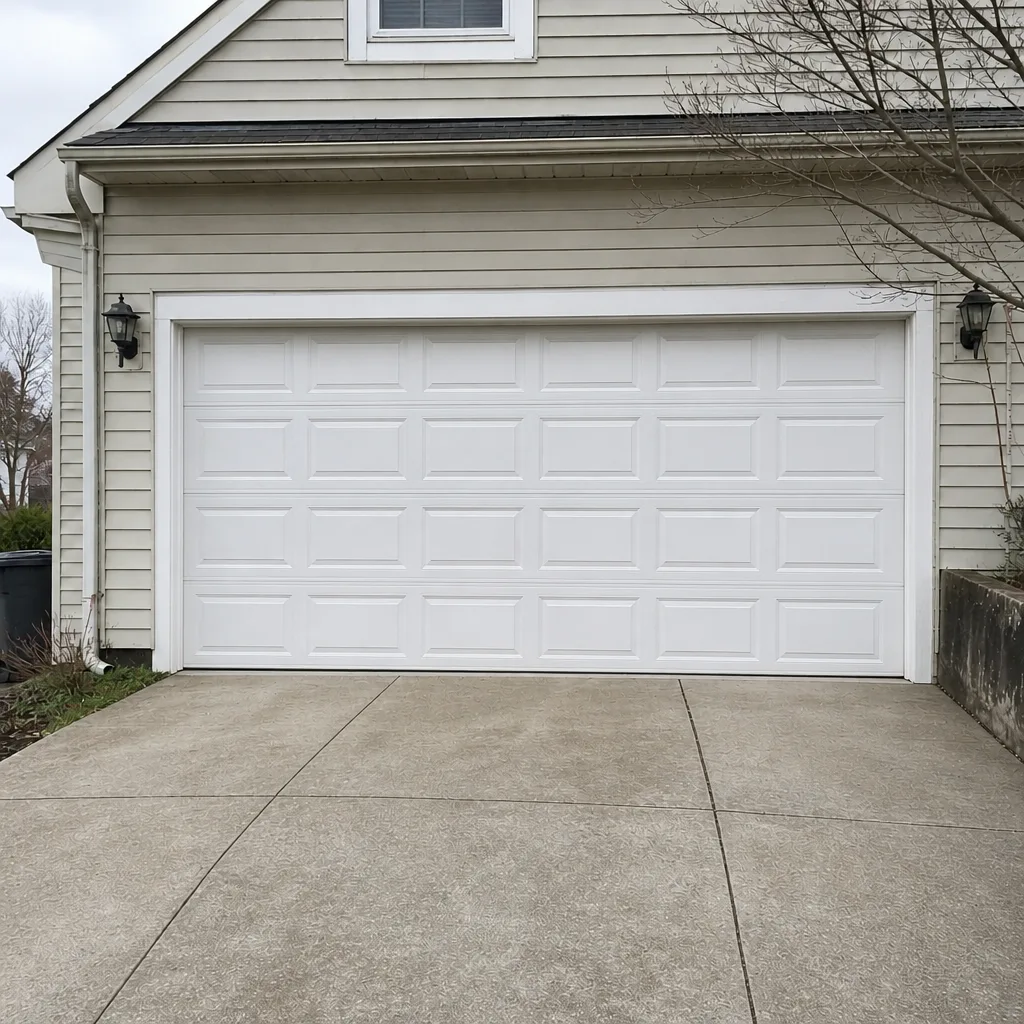 After
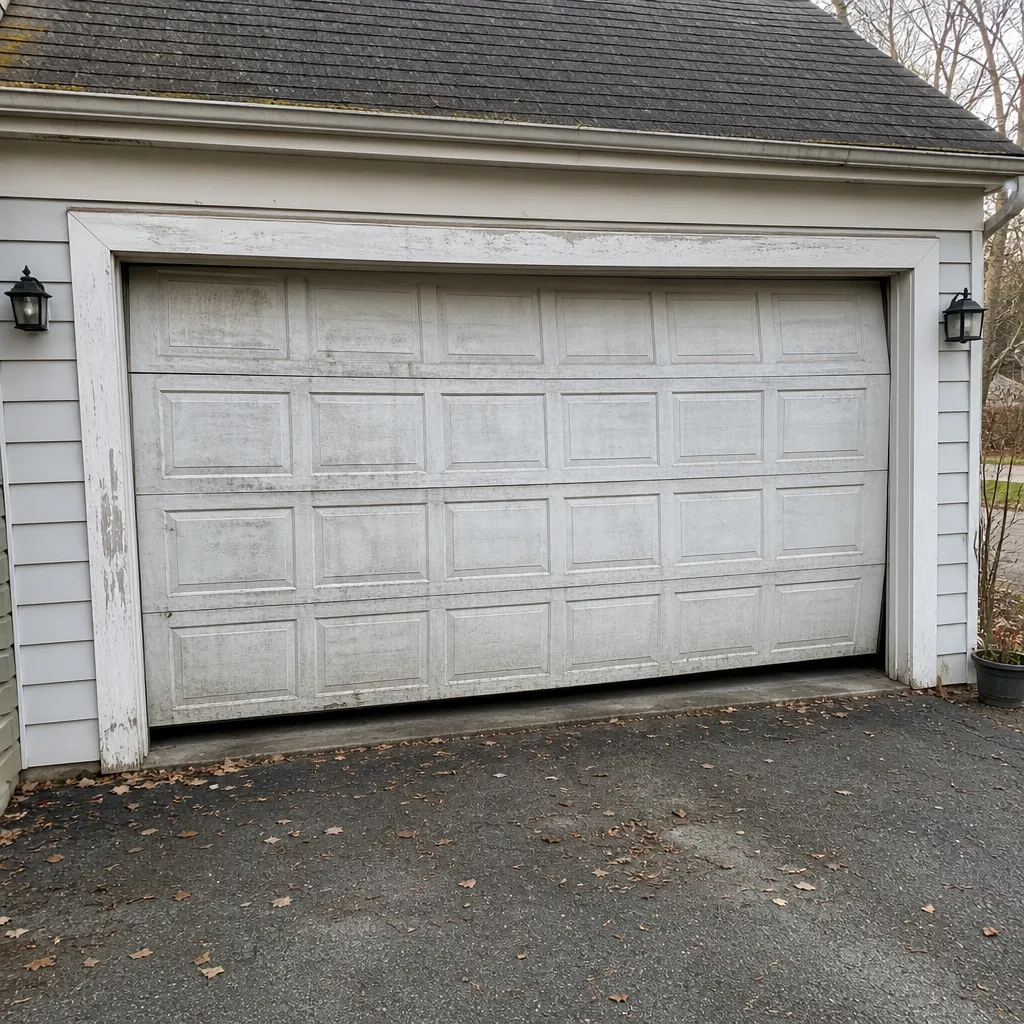 Before
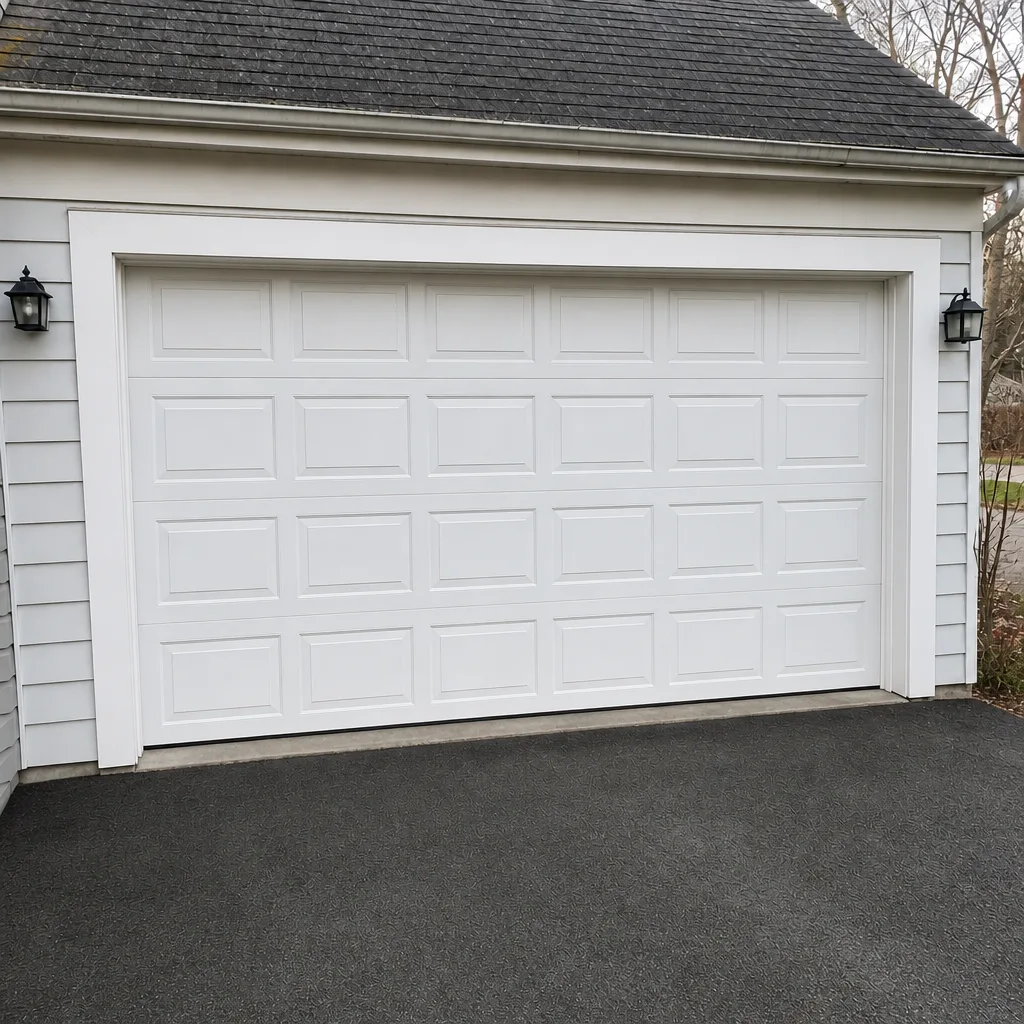 After
When to Call a Professional
Some seasonal checks belong in your hands: clearing debris, wiping down tracks, checking for daylight under the seal, and testing balance by hand. Call a professional when the door comes off its track, when the springs look stretched or gap-toothed, when the door reverses or hesitates, when the opener strains or makes new sounds, or when a flood has left rust and corrosion at the base. If you’re not sure whether something is a symptom or a small fix, call anyway. Ellicott City Garage Door Repair offers free estimates in Ellicott City. Call (877) 361-6822 and we’ll tell you what’s happening and what it takes to fix it, with the price quoted and agreed before any work starts.
Frequently Asked Questions
Once a year, ideally in early fall. That window catches summer swelling and seal compression before cold weather sets in, clears fall debris before winter, and gives you time to replace fatigued springs before freeze stress. If your door gets heavy use or sits under dense tree canopy, an extra check in spring after the wet season is worth it. Call (877) 361-6822 to book a free estimate.
Freeze-binding is the usual cause. Moisture in the tracks or seals freezes, cold grease thickens, and the metal contracts, so the door binds and the opener forces it off its line. It’s the most common cold-weather failure in Ellicott City, and it’s largely preventable with the right fall prep: clean tracks, cold-rated lubricant, and a balanced door. If your door is already off-track, stop using the opener and call (877) 361-6822.
Humidity swells wood doors and expands steel panels, and both can push a door into binding or sticking. The bottom weather seal also compresses and softens in the heat, so a door that sealed in spring may not seal in July. Check for daylight under the closed door from inside the garage. If you see a gap, the seal needs attention. Call (877) 361-6822 for a free estimate on seal replacement or realignment.
Let everything dry fully before operating the door, then inspect the bottom section for rust, the seal for deformation, and hinges and fasteners at floor level for corrosion. Clear silt from the tracks before the first cycle. If the door is binding, rusted at the base, or the seal has lost its shape, get it looked at. Call (877) 361-6822 for a free estimate.
No. Torsion and extension springs are under extreme tension and can cause serious injury if handled incorrectly. Spring replacement is a safety-critical repair that should always go to a trained professional. We handle spring repair directly for that reason. If your springs are stretched or have visible gaps in the coils, call (877) 361-6822.
In most cases, yes. Our technicians are experienced with LiftMaster, Chamberlain, Genie, Clopay, Amarr, Wayne Dalton, Craftsman and Raynor, which covers the majority of doors and openers already installed in Ellicott City homes. Call (877) 361-6822 with your brand and model and we’ll confirm before we book.
The Bottom Line
Four seasons, four different problems, and each one has a different answer. Summer is about swelling and seal compression. Fall is about debris and track cleanliness. Winter is about freeze-binding and the right lubricant before the cold sets in. Spring is about what water did to the bottom of the door. The single most useful habit is an early-fall service visit that addresses the most failure points at once, backed by season-specific checks the rest of the year. When something looks off, tell us before it gets worse. Our technicians have up to 8 years of experience, and we’ll give you the right fix rather than the fastest upsell.
Contact us today for a free estimate on seasonal garage door care, repair, opener repair, spring repair, or a full new installation in Ellicott City. Call (877) 361-6822.
Written by the team at Ellicott City Garage Door Repair.