Last updated November 21, 2026
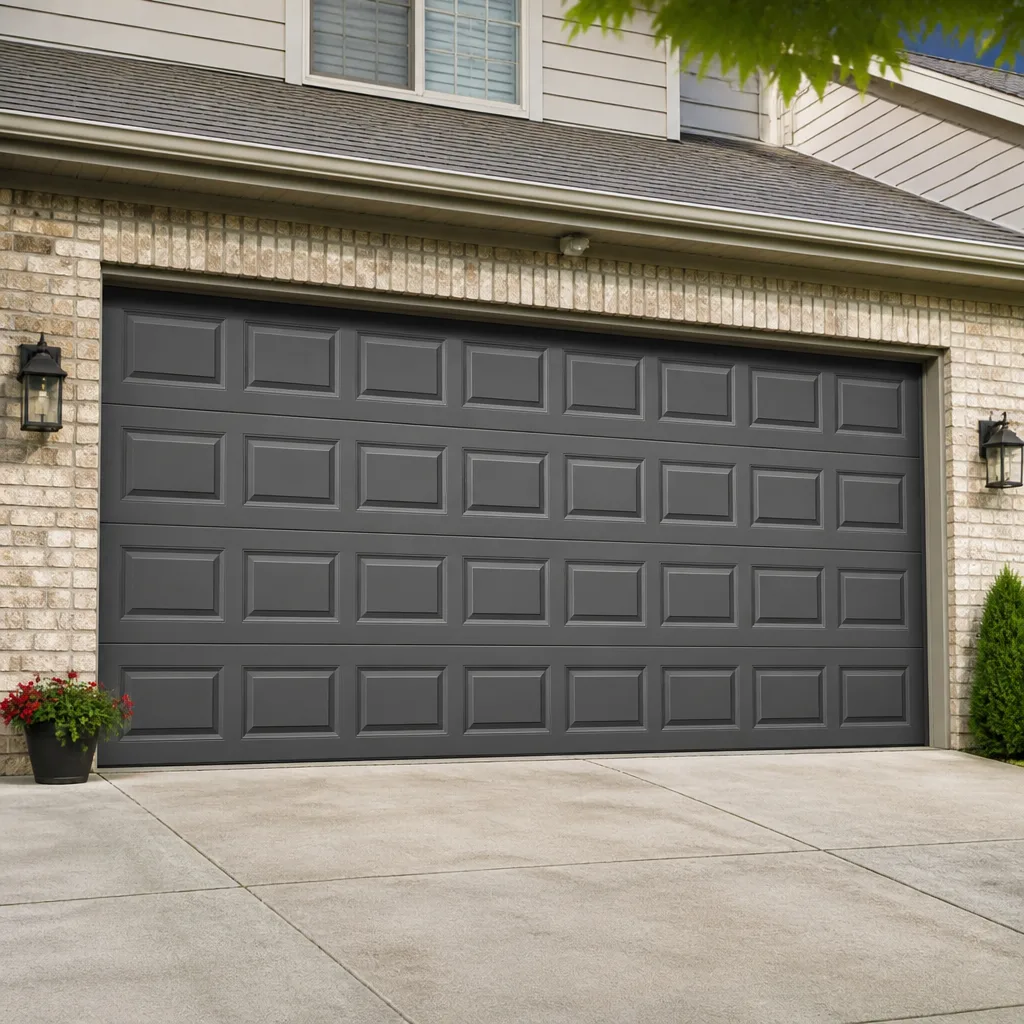 Raised-panel steel
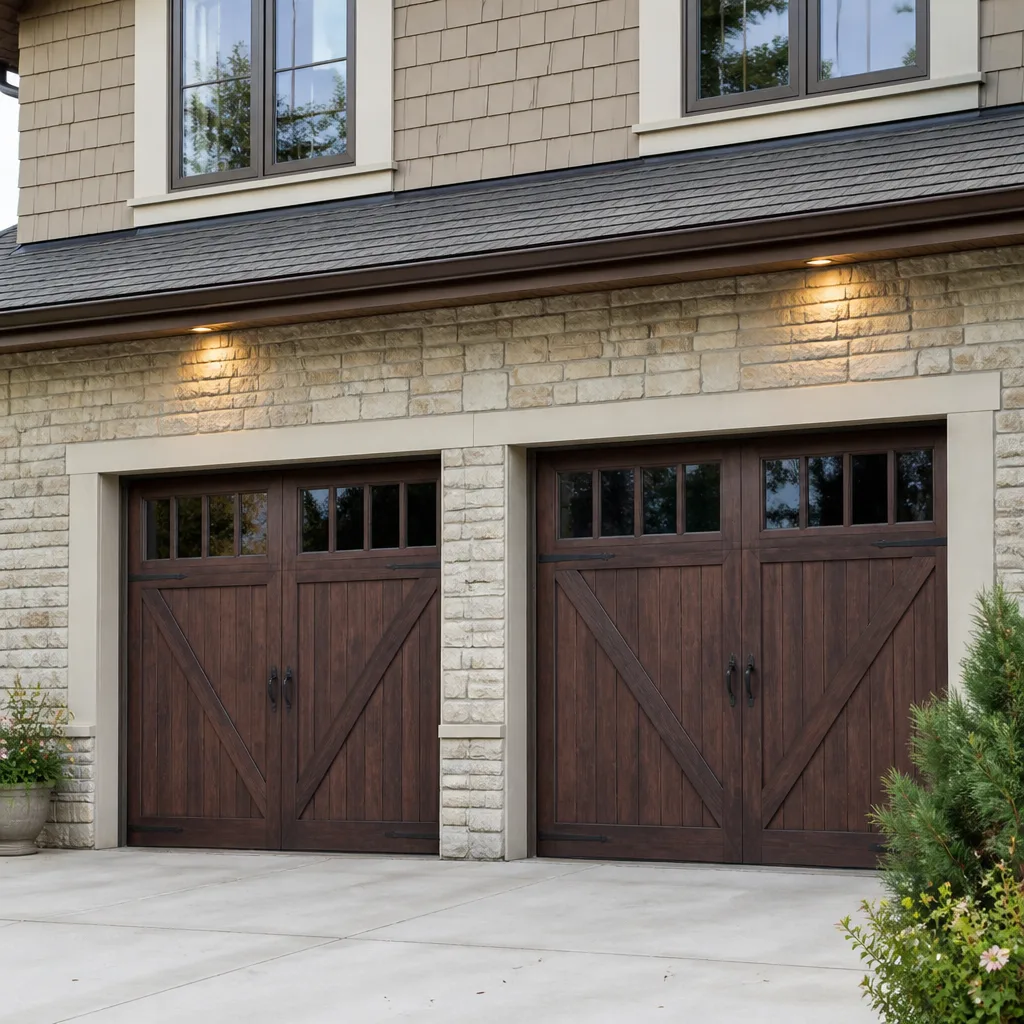 Carriage house
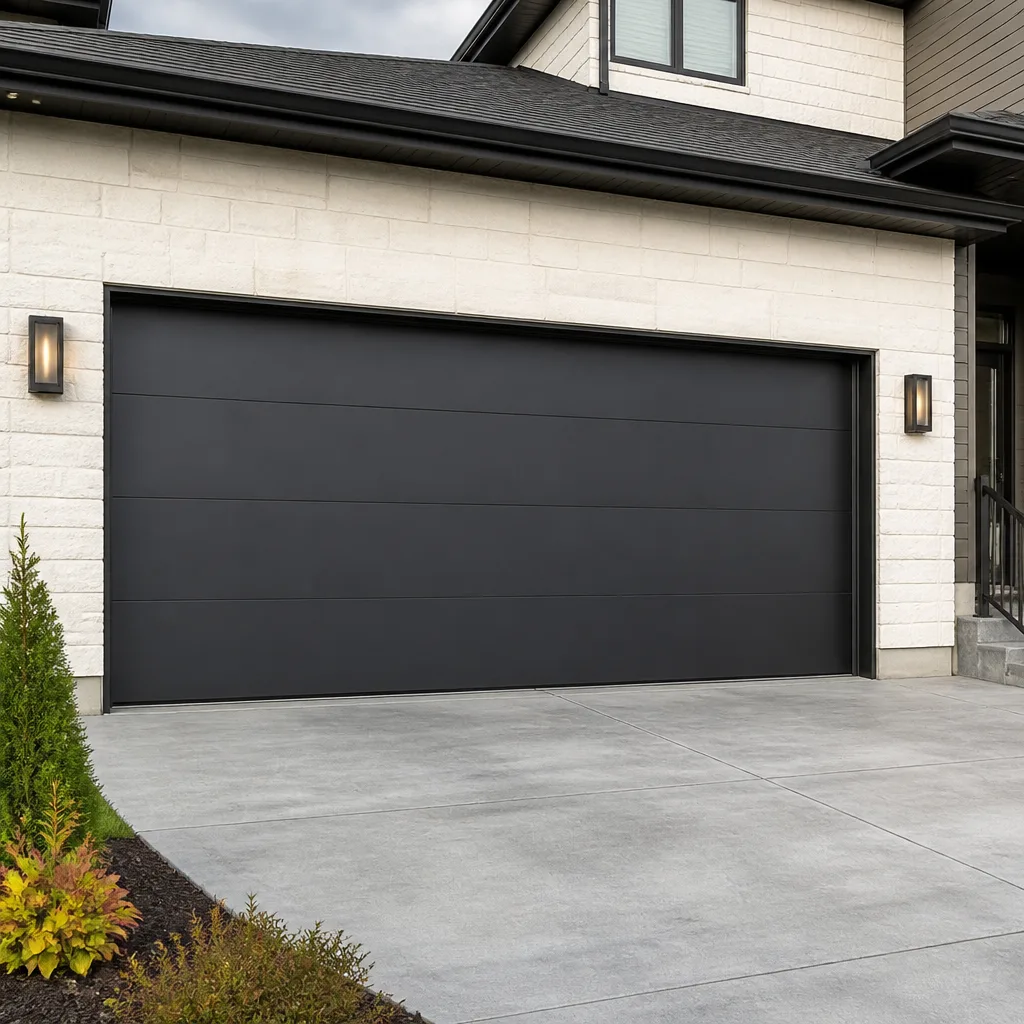 Modern flush
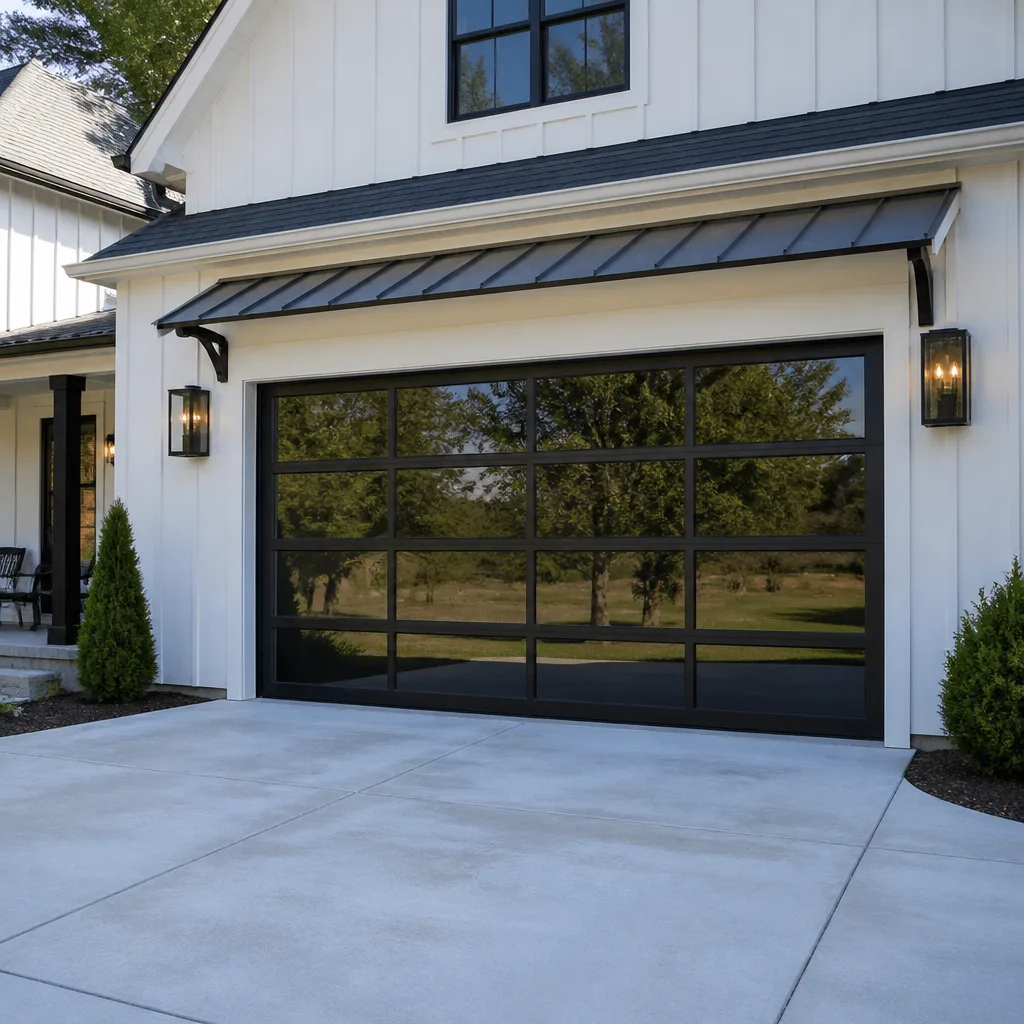 Full-view glass
 LiftMaster openers
 Chamberlain openers
Full 25-point door and opener safety check with every visit - springs, cables, rollers, tracks, and your LiftMaster or Chamberlain opener included
You get a price before we start. It does not change when the pro arrives.
Get your free estimateGarage Door Warning Signs: An Ellicott City Homeowner’s Reference Guide
A garage door that hesitates for two seconds before opening isn’t the same problem as one that reverses after two inches of travel, but both get described the same way: “it’s acting up.” That gap in vocabulary is where expensive repairs get made worse. Homeowners in Ellicott City either ignore a symptom that’s telling them a torsion spring is about to fail, or they panic over a noise that’s normal for a fifteen-year-old door. This reference guide closes that gap. What follows is a symptom-to-diagnosis framework: what each sound means, what each visual clue points to, and a clear line between “watch it” and “call today.”
Quick Answer
Most garage door warning signs fall into three groups: what you hear (grinding, popping, rattling, squealing), what you see from the ground (slack cables, a visible spring gap, a sagging bottom seal, misaligned panels), and what the door does during operation (uneven lift, reversal on close, opener running without movement). A popping sound from the spring plus a door that lifts a few inches and stops is the one combination that means stop using the door and call a specialist the same day.
Styles & brands we work with
- Raised-panel steel
- Carriage house
- Modern flush
- Full-view glass
- LiftMaster openers
- Chamberlain openers
Table of Contents
- What the Sound Is Telling You: A Four-Noise Audio Guide
- Safe Visual Checks You Can Do From the Ground
- Decoding Operational Symptoms: Slow, Uneven, Reversing, Stuck
- Normal Aging vs. Active Failure Risk
- The Three Symptoms That Need Same-Day Response
- How Ellicott City Weather and Housing Shape What You’ll See
- A Step-by-Step Diagnosis Sequence for Ellicott City Homeowners
- The Call-or-Wait Decision Matrix
What the Sound Is Telling You: A Four-Noise Audio Guide
A garage door makes noise by design. Metal rollers ride in metal tracks, torsion springs load and unload, and the opener’s gear assembly turns every cycle. The trick is separating the sounds a healthy door makes from the four sounds that point to trouble. If you can name the noise, you can usually name the component before anyone arrives. That saves time on the phone and gets the right parts to the job.
These are the four you’ll hear most often in Ellicott City garages, ranked by how quickly they need attention:
- Popping (high severity). A sharp pop, sometimes felt as a jolt through the door, usually comes from a torsion spring. On older doors the spring is wound tight, and when it begins to shear, one coil slips against the next and lets go with a pop. A single pop is worth a call. A door that pops and then stops lifting at the same height every time is telling you the spring has already failed.
- Grinding (medium severity). Grinding is a metal-on-metal sound as the door travels. It usually points to worn rollers – nylon rollers can degrade and steel rollers can seize – or to a track that’s bent out of alignment and dragging against a roller edge. Grinding left alone wears the track itself, which turns a roller swap into a track replacement.
- Rattling (low to medium severity). Rattling is the sound of loose hardware: hinge screws backing out, the opener’s rail brackets loosening against the ceiling, or a strut plate working loose. It’s rarely dangerous on its own, but a vibrating rail bracket can eventually pull out of the framing and the door will drop unevenly.
- Squealing (low severity). Squealing is dry bearings, usually in the rollers or the opener’s gear case. It’s the friendliest of the four because it’s a lubrication symptom. If it persists after a proper service, the roller bearing has worn out and the roller needs replacing.
We’ve worked on the brand already in your garage plenty of times – LiftMaster openers are especially common in Ellicott City homes, and they produce a very specific gear-whine when the drive gear is worn. Craftsman openers from the same era share most internals and sound similar. If the squeal or whine is coming from the unit on the ceiling rather than the door itself, that’s a sign for garage door opener repair, not track work. The two jobs are different, and a specialist should be able to tell which one you need from the description of the sound alone.
Safe Visual Checks You Can Do From the Ground
You can catch most serious garage door problems without touching a single moving part. Every check below is done with the door fully closed, standing on the floor, using only your eyes. That’s the whole point: garage door systems store enormous tension, and the spring and cable assemblies are not home-inspection items. Look, don’t touch. If anything looks off, stop there and treat it as a finding to report.
- Cable slack. Look at the two steel cables that run down either side of the door and loop under the bottom brackets. Both should be taut and even. One cable sitting noticeably looser than the other, or hanging in a loose loop, means the cable has slipped off a drum or a spring has failed. A slack cable can snap violently; do not try to re-seat it yourself.
- Spring gap. If the door uses torsion springs (the coil mounted on the shaft above the door opening), look for a visible gap in the coil. A broken torsion spring shows a clean split – one half of the coil has separated from the other. This is the single most important visual check on the whole door.
- Bottom seal compression. The rubber seal along the bottom should sit flat and compressed against the floor when the door is down. If you can see daylight under a section of it, or a section sits above the floor while the rest touches, either the seal is worn or the door is out of level.
- Panel alignment. Step back ten feet and look across the door’s face with the door closed. Panels should sit flush with each other. A hinge line that’s walking forward, a panel that’s bowed, or a visible crack through a section are all structural issues that a roller adjustment won’t fix.
- Track alignment (visual only). Sight up the vertical tracks on each side. Both should be straight and parallel. A dented track or a visible bend is a replacement issue, not a repair issue, and a bent track can make the door jump out of the rollers.
None of these checks require you to disconnect the opener, stand on a ladder, or touch the spring. If you’re ever unsure whether what you’re seeing is normal, describe it to a technician before doing anything else. The few minutes spent describing it are worth more than an afternoon spent guessing.
Decoding Operational Symptoms: Slow, Uneven, Reversing, Stuck
The door’s behavior during operation tells you which component is failing. Four behaviors cover most of the calls we get from Ellicott City homeowners, and the mapping is straightforward. What matters more than the diagnosis itself is knowing which of these behaviors is a convenience problem and which is a call-right-now problem.
- Slow travel. If the door takes noticeably longer to open or close than it used to, the most likely candidate is a worn opener motor or a failing drive gear. The door’s own balance can also be off, and the opener is straining to compensate. On a modern LiftMaster unit, some slow travel can be resolved with a travel-limit adjustment. If the door feels heavy at the halfway mark, it’s a balance issue, not a motor issue.
- Uneven lift. One side rises faster than the other. This points to a cable or spring that’s not loaded the same on both sides, or a roller that’s seized on one track. Uneven lift accelerates wear on the door’s hinges and can pull a panel out of alignment over time. It’s usually a same-week repair, not a same-day one, unless the door is visibly twisting.
- Reversal on close. The door starts down and then reverses back up. The first thing to rule out is the safety sensor: a sensor that’s misaligned, blocked by dust or cobwebs, or mounted with a weak bracket will trip the door on every close. Sensor adjustment is the cheapest fix on this entire list. If the sensors are aligned and the door still reverses, the obstruction is inside the operator’s travel limits or the door’s movement. That’s a professional call.
- Opener runs but the door doesn’t move. You hear the opener’s motor, but the door sits still. That usually means the opener’s drive gear, chain, or belt has failed, or the door’s trolley has disconnected from the carriage. It’s a repair, not an emergency, but it means the door isn’t usable until someone fixes it. Emergency garage door service exists for exactly this situation when it happens at an inconvenient hour.
One more behavior worth naming: the door that goes up but won’t come down, with the opener’s light blinking but no sound from the motor. That’s almost always a safety-sensor fault, not a motor fault. Before calling anyone, check that both sensor eyes are facing each other and free of obstruction. If they’re clean and facing each other and the door still refuses, it’s garage door repair territory.
Normal Aging vs. Active Failure Risk
Not every imperfect door needs a repair. The distinction matters because the two most common homeowner errors are exact opposites: ignoring a symptom that’s actually critical, and paying for a tune-up on a door that just needs a wipe-down. Here’s the honest framework we use to decide.
A garage door is a mechanical assembly with wear parts. Rollers wear. Cables stretch. The bottom seal flattens. Hinges loosen. If the door still opens and closes fully, all four edges meet the frame, and none of the sounds are sharp or sudden, you’re looking at normal aging. That’s a maintenance call, not an emergency. A door that’s been in an Ellicott City home through several wet winters and dry summers will have stretched its cables a little and flattened its bottom seal; both are expected.
Active failure risk is different, and it has a specific signature:
- A sound or motion that started suddenly. A door that’s been a little slow for years is aging. A door that suddenly lifted unevenly this morning is failing.
- A symptom that appears in one direction. Doors that open fine but fail to close, or close fine but fail to open, are almost always telling you about a specific component that’s partially failed.
- Anything that came apart. A broken spring, snapped cable, bent track, or cracked panel is a hard stop. Aging is gradual; failure is a single event.
We’ve seen Ellicott City doors where the homeowner had been living with a noisy door for months and it was just dry rollers. We’ve also seen doors where one pop was the last warning before a torsion spring let go. The difference is whether the symptom is chronic or new, and whether it involves the load-bearing parts of the system. If you’re not sure which bucket a symptom belongs in, describe it to a specialist. Describing is free.
The Three Symptoms That Need Same-Day Response
Some symptoms wait. Three do not. These involve the components that hold the door’s weight, and a failure in any of them can bring a door down hard. If any of the following describe your situation, stop operating the door and call for help – regardless of the hour. Emergency garage door service, because a stuck door doesn’t wait for Monday morning.
- A torsion spring that has visibly broken or is popping under load. A garage door’s torsion springs hold hundreds of pounds of tension. When a spring shears, both halves release that stored energy. If you see a gap in the coil or hear a pop followed by a door that will only lift a few inches, do not run the opener. Do not attempt to lift the door by hand to see what happens. This is the single most dangerous failure mode on the whole system, and it’s the reason spring repair is its own specialty rather than a generalist repair.
- A slack or snapped cable. Cables transfer the door’s weight from the spring to the door’s bottom bracket. A cable that’s wrapped or hanging is a hazard. The bracket it attaches to is under pull-tension, and re-seating a cable without releasing the spring correctly is a job for a trained technician with the right winding bars. If a cable breaks or jumps its drum, the door is not safe to operate until it’s fixed.
- A door that won’t close and won’t respond to the sensors. A door stuck open leaves the garage, the house’s attached entry, and anything stored inside exposed. It’s less mechanically dangerous than the first two, but it’s an emergency from a security standpoint, especially overnight. If the manual release won’t lower the door and the sensors don’t restore it, a same-day call is the right move.
If you’re in one of these situations, take a photo of the spring and cable area from the ground, then call. That single photo saves a diagnostic visit and speeds the whole repair.
How Ellicott City Weather and Housing Shape What You’ll See
Ellicott City’s climate is a mix of summer heat with real humidity and winters with enough freeze-thaw cycles to push the ground around. That cycling affects garage doors more than homeowners expect. Torsion springs don’t rust in a day, but repeated humidity followed by dry cold does thin the factory coating on older springs. The same wet-dry cycle works the bottom seal flat against concrete and loosens hinge screws through repeated contraction. If your door started acting differently in July or January, weather is the diagnostic lens.
Local housing shape adds to it. A lot of Ellicott City homes sit on driveways with a slope, and a sloped driveway means the door’s bottom seal has to flex unevenly to meet the floor. Sloped-driveway garages also get more load on one side’s track and rollers. Older homes in neighborhoods near Historic Main Street often have doors that were installed years ago and have gone through several owner upgrades: a LiftMaster opener on a door built for an older mechanical unit, a bottom seal replaced but the tracks never adjusted. If you’ve ever replaced just one part of your garage door, the new part may be making an old imbalance worse. A Wayne Dalton or Raynor door that’s been retrofitted with a newer opener is one of the most common mismatches we see.
Ellicott City’s older garages also tend toward narrow single-bay openings. A door that fits tight in its opening will scrape the frame with less misalignment than a wider door, so panel edge wear shows up earlier. If you notice the door running against the frame in one spot, that’s a track or roller issue, not a paint problem. The general advice is the same everywhere – inspect seasonally and call when a sharp symptom shows up – but Ellicott City doors tend to show symptoms a season earlier than they would in a climate with more moderate swings.
A Step-by-Step Diagnosis Sequence for Ellicott City Homeowners
When the door starts acting up, the goal is to get the right information to a specialist quickly and avoid doing anything that increases the risk. Here’s the sequence we walk homeowners through when they call. You can run through it before you pick up the phone. It takes about five minutes and it will make the repair faster.
- Stop the door and leave it closed (or, if it’s stuck open, leave it open). Don’t run the opener to “see what happens.” Every extra cycle on a failing part increases the risk.
- Listen for the four sounds. Is it popping, grinding, rattling, or squealing? Just naming the sound cuts the diagnostic time significantly.
- Look from the ground. Check the spring for a gap, the cables for slack, and the bottom seal for daylight. Do not touch the spring or cables, and do not disconnect the opener’s carriage to check balance manually.
- Note the behavior. Does the door open but not close? Close but not open? Slow on one side only? Halt at the same height each time? All of that points at a different component.
- Test the sensors (only if reversal or no-close is the symptom). Look at the sensor on each side of the opening. Both should be facing each other, unobstructed, and clean. Wipe them with a dry cloth and try one close cycle with your hand on the wall button. Do not tape over the sensors or force the door – that’s how safety features fail when they’re needed most.
- Write it down and call. Five symptom details over the phone save a diagnostic visit and get the right parts on the first trip.
You don’t need to inspect anything on a ladder. You don’t need to know how the spring is wound or which way the cable drums turn. You do need to describe the symptom accurately and stop cycling the door. That’s the whole framework. For spring-specific symptoms, the dedicated page for garage door spring repair goes deeper on how the job is diagnosed and repaired.
The Call-or-Wait Decision Matrix
Here’s the quick-reference version. Match your symptom to the row, then act accordingly. When in doubt, treat it as a call.
- Popping sound + door stops at a consistent height + visible spring gap: Do not operate. Same-day call.
- Snapped or slack cable + door won’t lift: Do not operate. Same-day call.
- Door jammed open and won’t close, sensors clear: Same-day call (security risk), especially overnight.
- Grinding in the tracks + door fully functional: Call within the week. Waiting wears the track.
- Uneven lift but door still opens and closes: Call within the week. Cables or one side’s roller.
- Rattling + loose panel hardware: Call during normal scheduling. Drying, tightening, and inspection.
- Dry squealing that stops after service: Maintenance item. Schedule when convenient.
- Bottom seal letting daylight in but door operates fine: Normal aging. Replace at the next full service.
The pattern is simple: spring, cable, or stuck-open is same-day. Track, roller, and hinge issues are same-week. Seal, lubrication, and rattle are same-month. If your symptom crosses a category because the door behaves differently each cycle, default to the more urgent category.
Common Mistakes to Avoid
- Cycling the door “one more time” to confirm a spring problem. If a spring has failed, every extra cycle puts load on a partially intact coil and can cause the door to drop hard. Stop at the first loss of load.
- Assuming a slow door is an opener problem. A door that opens slowly because it’s unbalanced will burn out the opener’s motor over time. The opener is often the victim, not the cause.
- Taping over or overriding the safety sensors. Sensors that trip are doing their job. Tape on the sensor or a bypass on the door’s safety circuit turns a two-dollar adjustment into an injury risk, and it’s a code concern most cities care about.
- Re-seating a slack cable by hand. Slack cables look like they need a quick pull back onto the drum. That’s one of the most common ways homeowners get hurt on a garage door. Leave it to a technician.
- Replacing one spring when its pair is worn. If a door has two springs, a matched pair is usually replaced together, and a pair will cost about twice what a single spring costs. Replacing just one puts the load on an old spring that’s likely to fail next.
- Ignoring the door’s warning signs and installing a smart opener instead. A new opener on a worn door just makes the door fail faster and louder. Solve the door first, then upgrade the opener.
- Calling a general handyman for a spring or track job. Springs, cables, and torsion shafts are safety-critical and not a sideline repair. A dedicated garage door specialist has the right winding bars, the right knowledge of the model, and the right liability posture for the job.
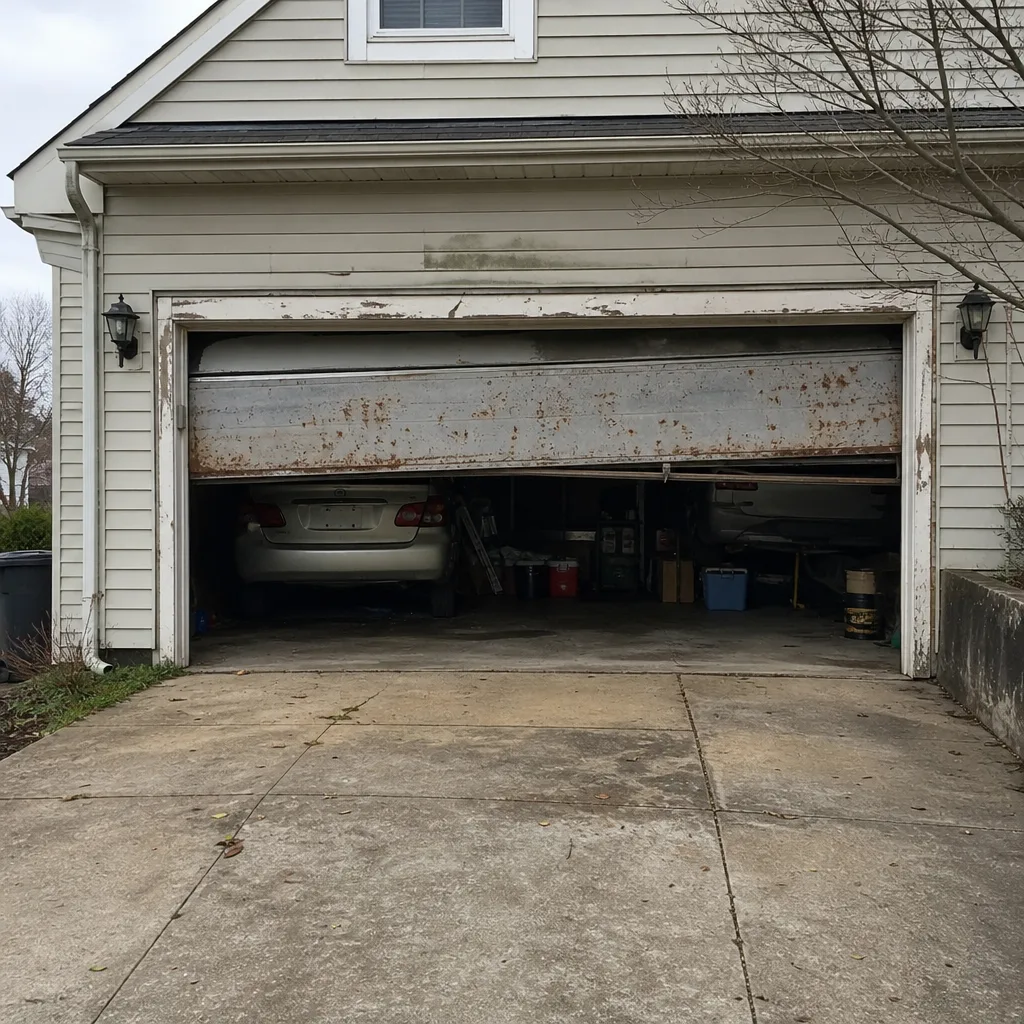
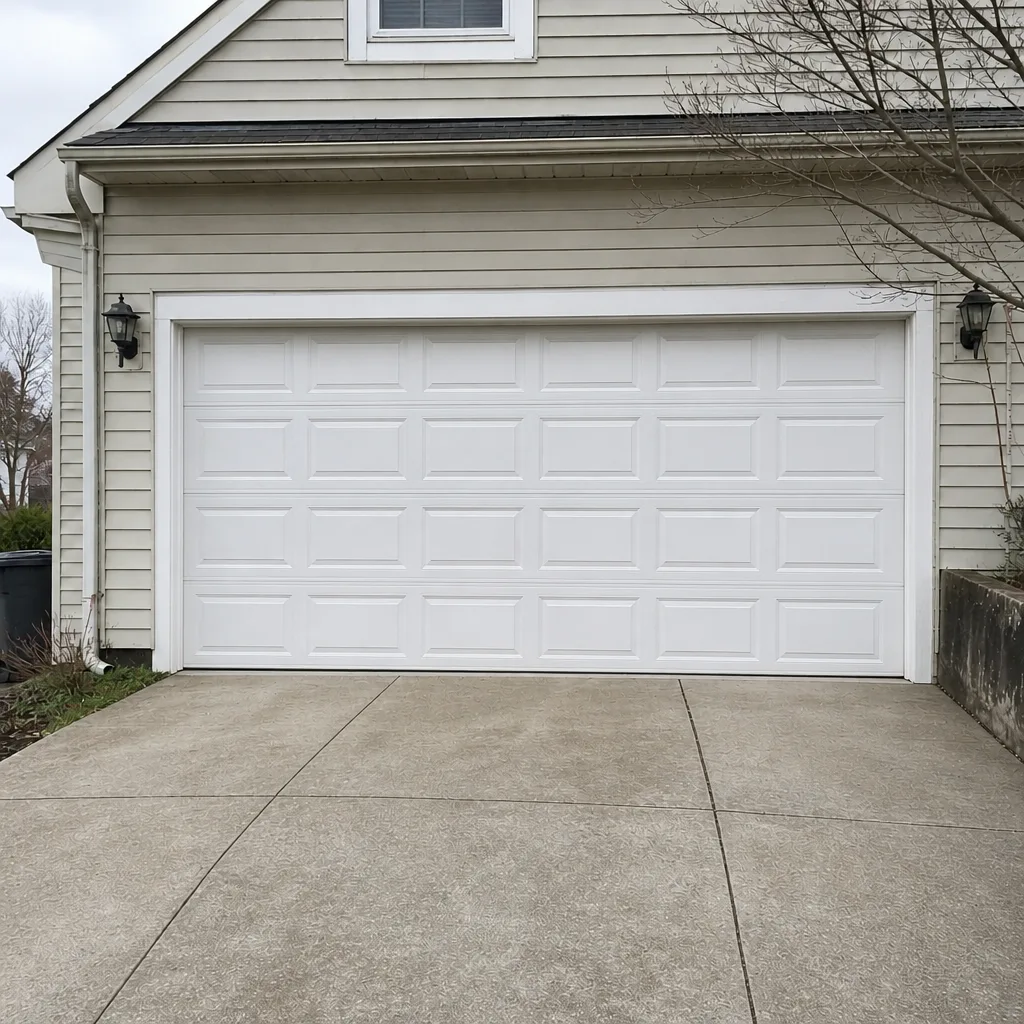
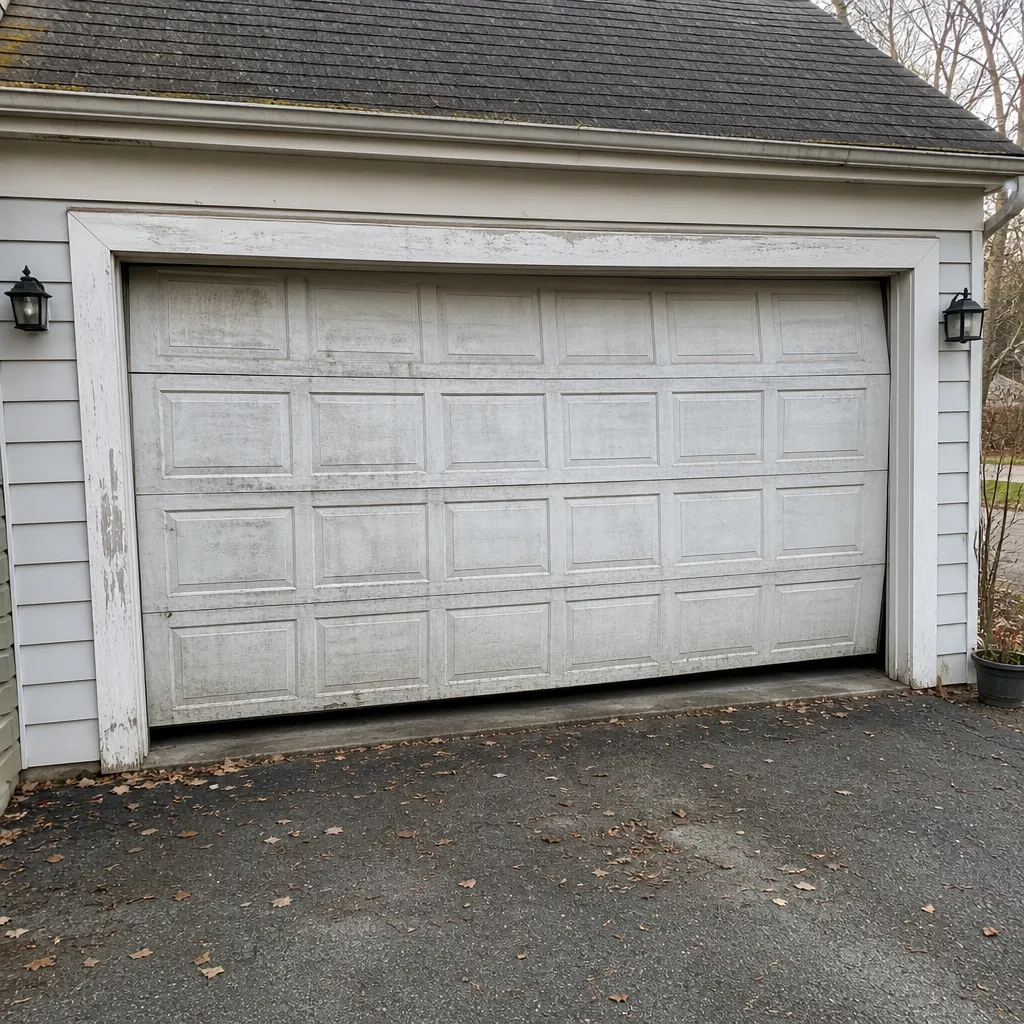
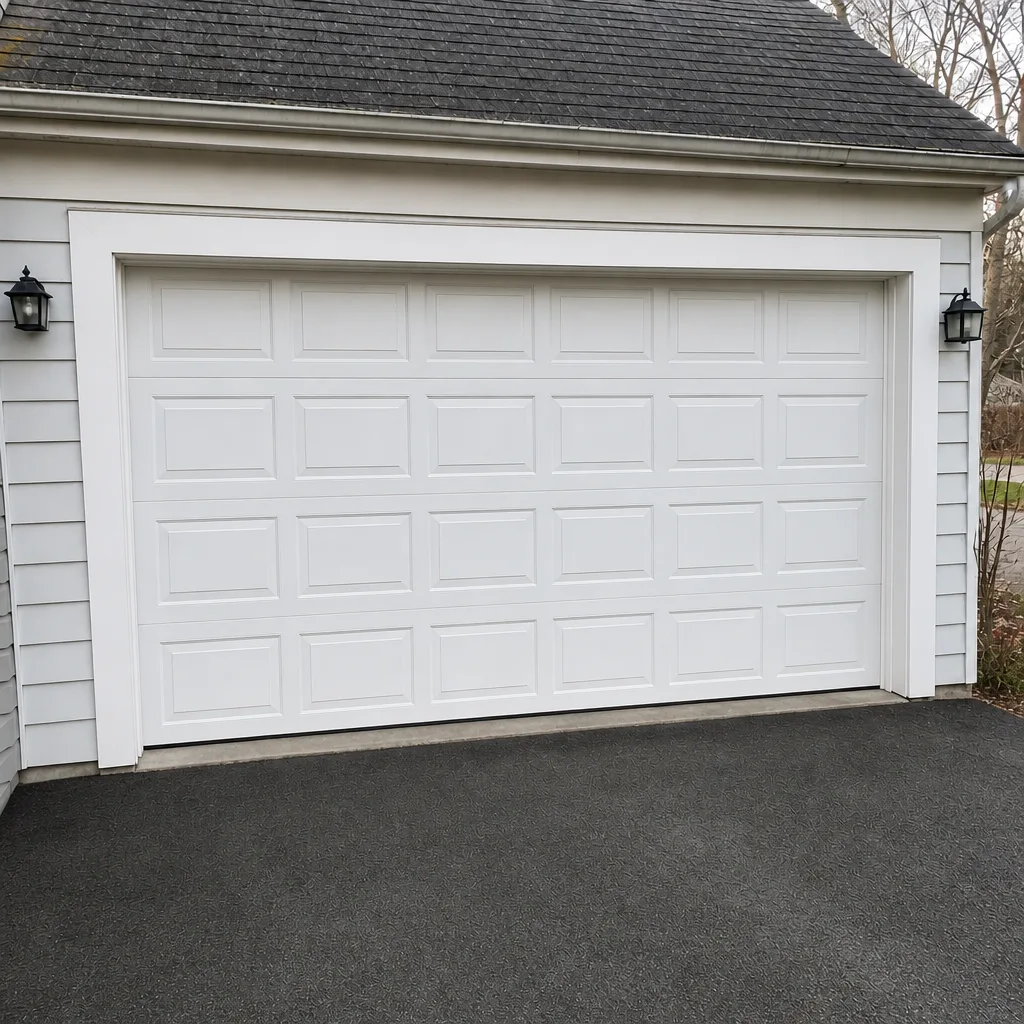
See the difference
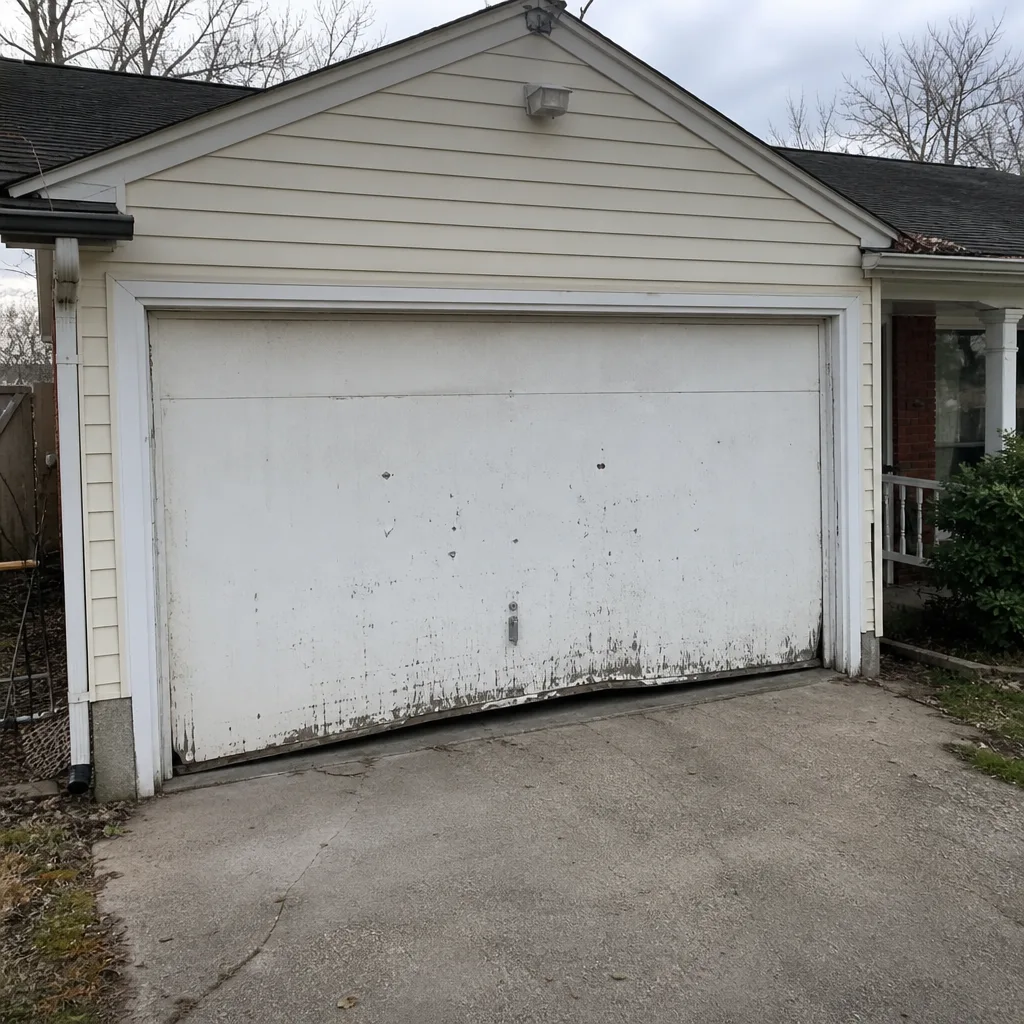 Before
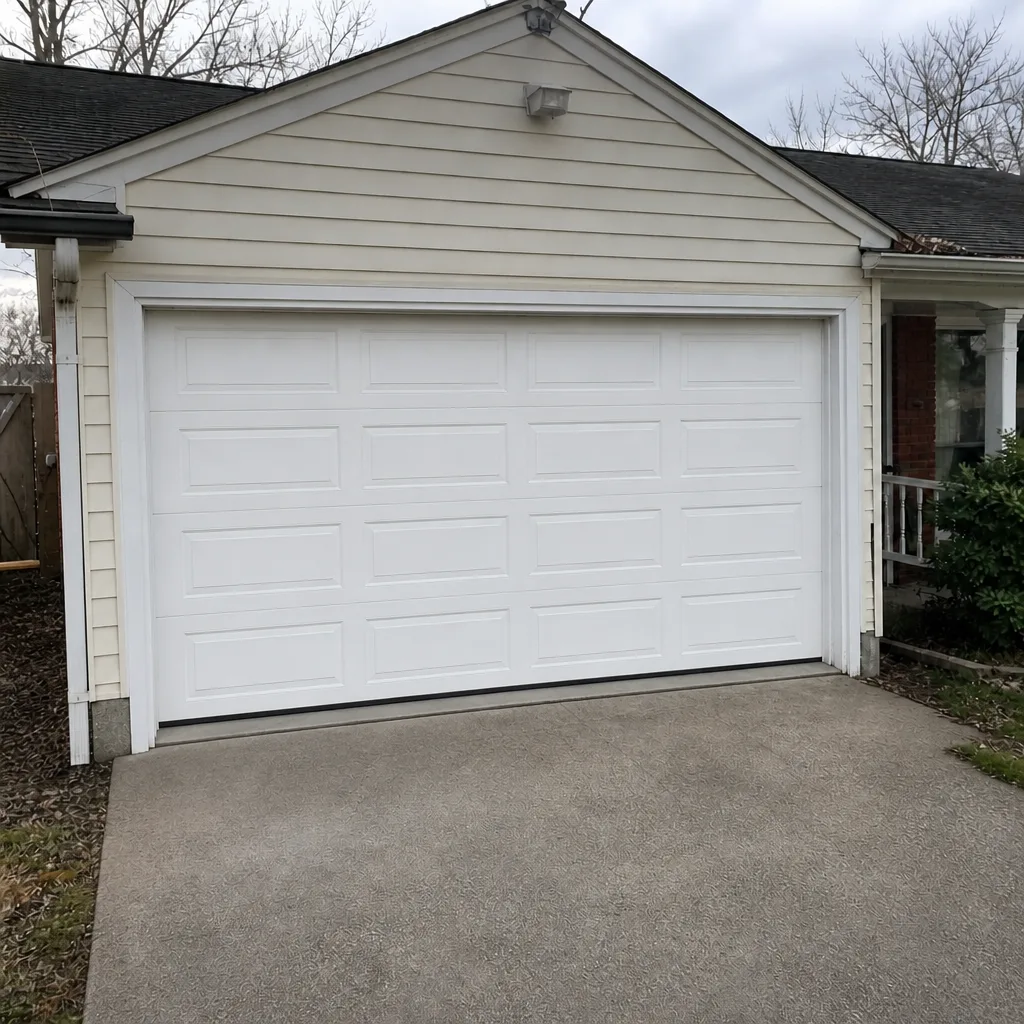 After
 Before
 After
 Before
 After
When to Call a Professional
Call a professional for anything on the spring or cable side of the door, for any track that’s bent or misaligned, for any opener that runs but doesn’t move the door, and for a door that won’t close because the safety sensors won’t reset. Also call if you’ve replaced a part yourself and the door is now acting worse – a surprising number of Ellicott City garage door problems are second-order, where the original symptom was fixed but the balance was thrown off. Our technicians have up to 8 years of experience diagnosing exactly these cases, including on the brands already installed in most Ellicott City homes.
Ellicott City Garage Door Repair offers free estimates in Ellicott City – call (877) 361-6822. Emergency garage door service is available when a symptom can’t wait, and every price is quoted and agreed before any work starts. If you’re not sure whether your symptom is a call-now or a call-later, describe it to us on the phone. We’ll tell you which category it’s in, and if it’s a wait, we’ll tell you that too.
Frequently Asked Questions
The most common warning sign we hear about is a popping sound followed by the door failing to open fully. That combination almost always points to a torsion spring that has broken or is about to, and it’s a same-day call. Grinding in the tracks is the second most common, but it’s less urgent because the door usually still functions. For a spring-related symptom, call (877) 361-6822 – estimates are free.
No, and it’s not close. A garage door torsion spring holds hundreds of pounds of stored energy, and the winding bars needed to release and re-tension it are specialized tools. This is the one repair that should always go to a trained technician. Spring repair is a named service for a reason; it’s handled in-house, because the risk to a homeowner is real. Call (877) 361-6822 to get a replacement scheduled.
Typical repair ranges run from a sensor or roller adjustment at the low end to a spring or cable replacement at the higher end. The exact number depends on which component has failed and whether it’s a single spring or a matched pair, and the written estimate you receive before any work starts is the final price. We quote every job upfront, and estimates are free – call (877) 361-6822 for a quote based on your symptom.
The most common cause is a misaligned or obstructed safety sensor – the two small lenses near the bottom of each track. If either eye is blocked by dust, cobwebs, or an object, or if the two aren’t facing each other, the door reverses on every close. Wipe both sensors and confirm they face each other; if the door still reverses, that’s a service call. Call (877) 361-6822 if the sensors look clear and the behavior continues.
No. Dry bearings produce a squeal that resolves with a proper service, and rattling hardware is usually a tightening job. The serious sounds are sharp: a pop from the spring, a snap from a cable. If the noise is chronic and the door still opens and closes fully, you’re likely looking at maintenance. If the sound started suddenly or the door’s motion changed at the same time, treat it as a diagnostic call. Ellicott City Garage Door Repair can be reached at (877) 361-6822.
We’re factory-familiar with eight of the industry’s leading garage door and opener brands – LiftMaster, Chamberlain, Genie, Clopay, Amarr, Wayne Dalton, Craftsman, and Raynor – which covers the vast majority of doors and openers installed in Ellicott City homes. That brand familiarity means we’re less likely to need a second trip for parts. Call (877) 361-6822 with your brand and symptom for an exact quote.
The Bottom Line
Most garage door problems announce themselves before they fail, but only if you know how to interpret what you’re hearing and seeing. The sounds have names: popping means spring, grinding means roller or track, rattling means loose hardware, squealing means dry bearings. The visual checks are done from the ground: spring gap, cable slack, bottom seal, panel alignment. The operational symptoms point at specific components, and only three of them – a spring that’s popped or is visibly broken, a slack or snapped cable, and a door stuck open and won’t close – require a same-day call. Everything else is a scheduled repair, and some of it is just normal aging. For a symptom-to-diagnosis check on your Ellicott City door, the fastest path is a phone call and a five-minute description. Pricing is quoted and agreed before any work starts, and the estimate is free. Call (877) 361-6822 when the door tells you something’s wrong.
Written by the team at Ellicott City Garage Door Repair.