Last updated November 21, 2026
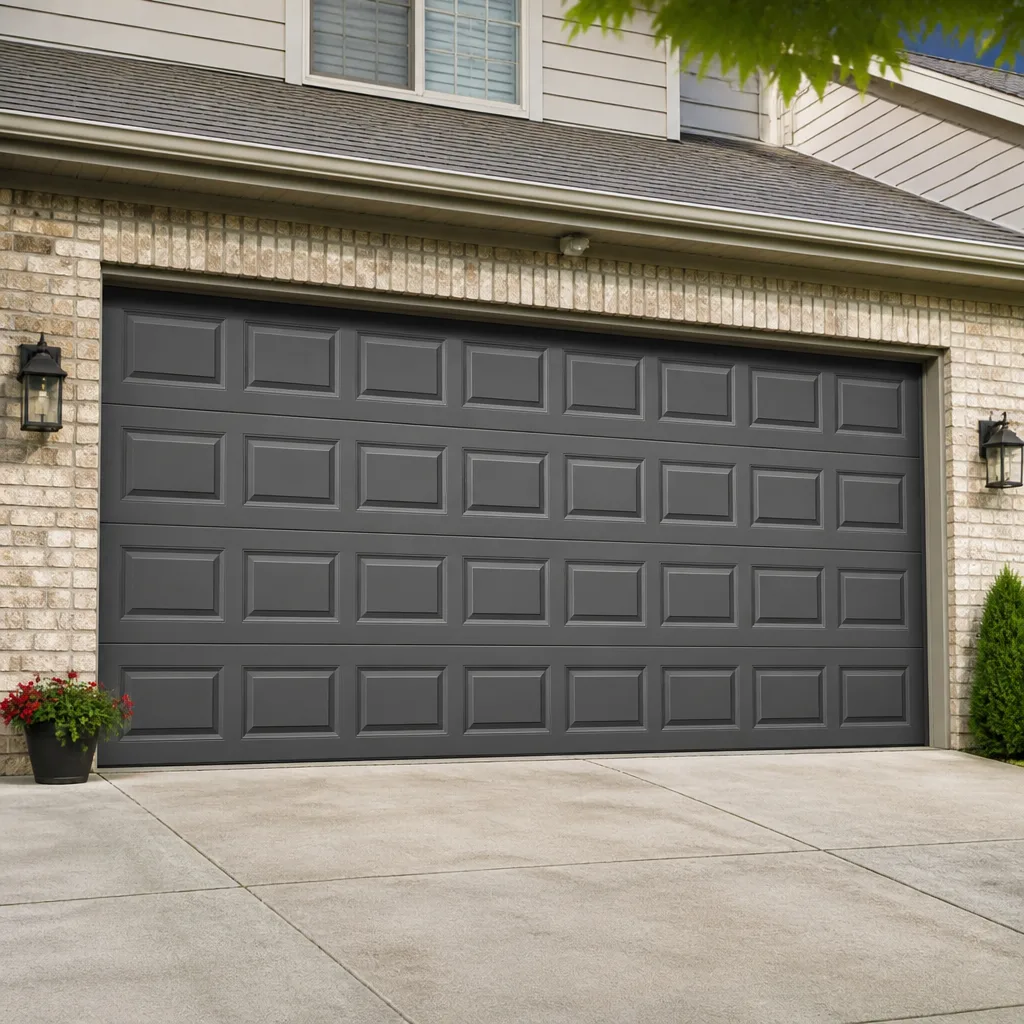 Raised-panel steel
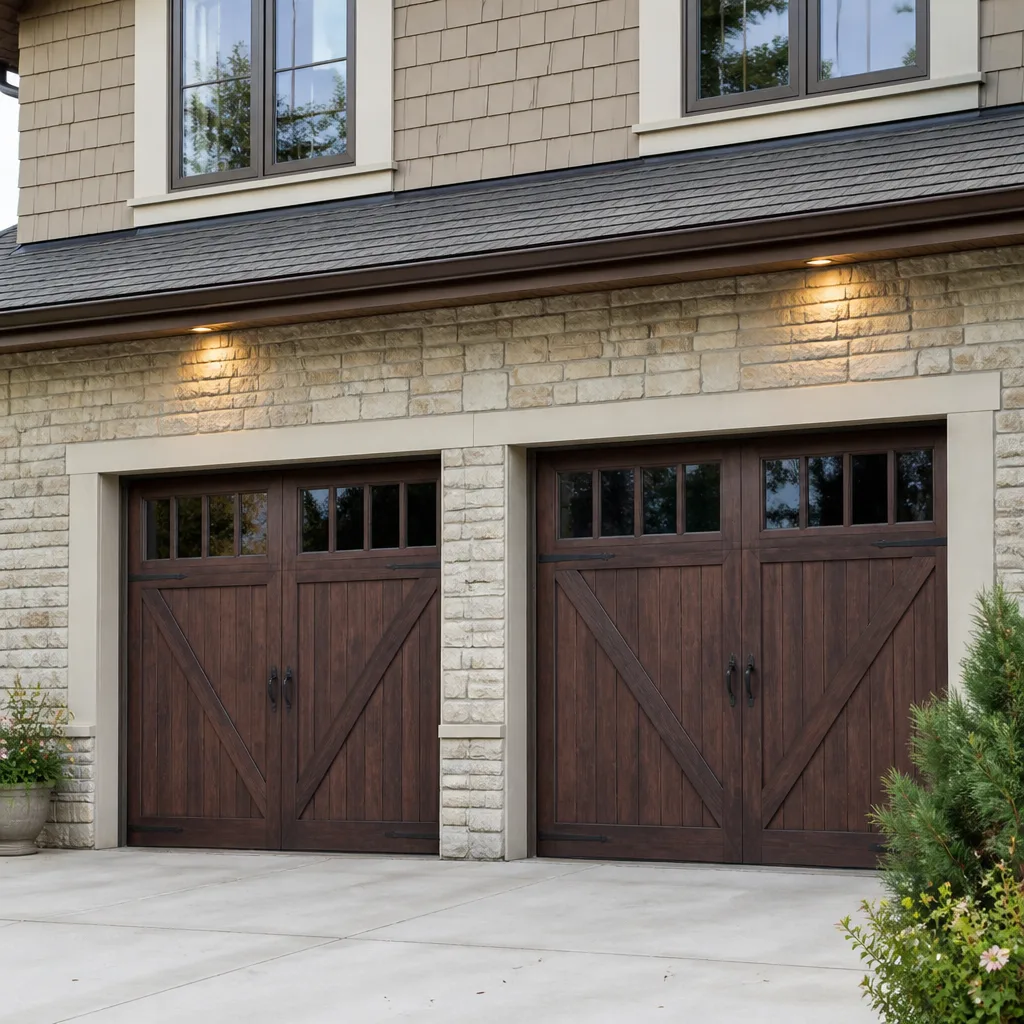 Carriage house
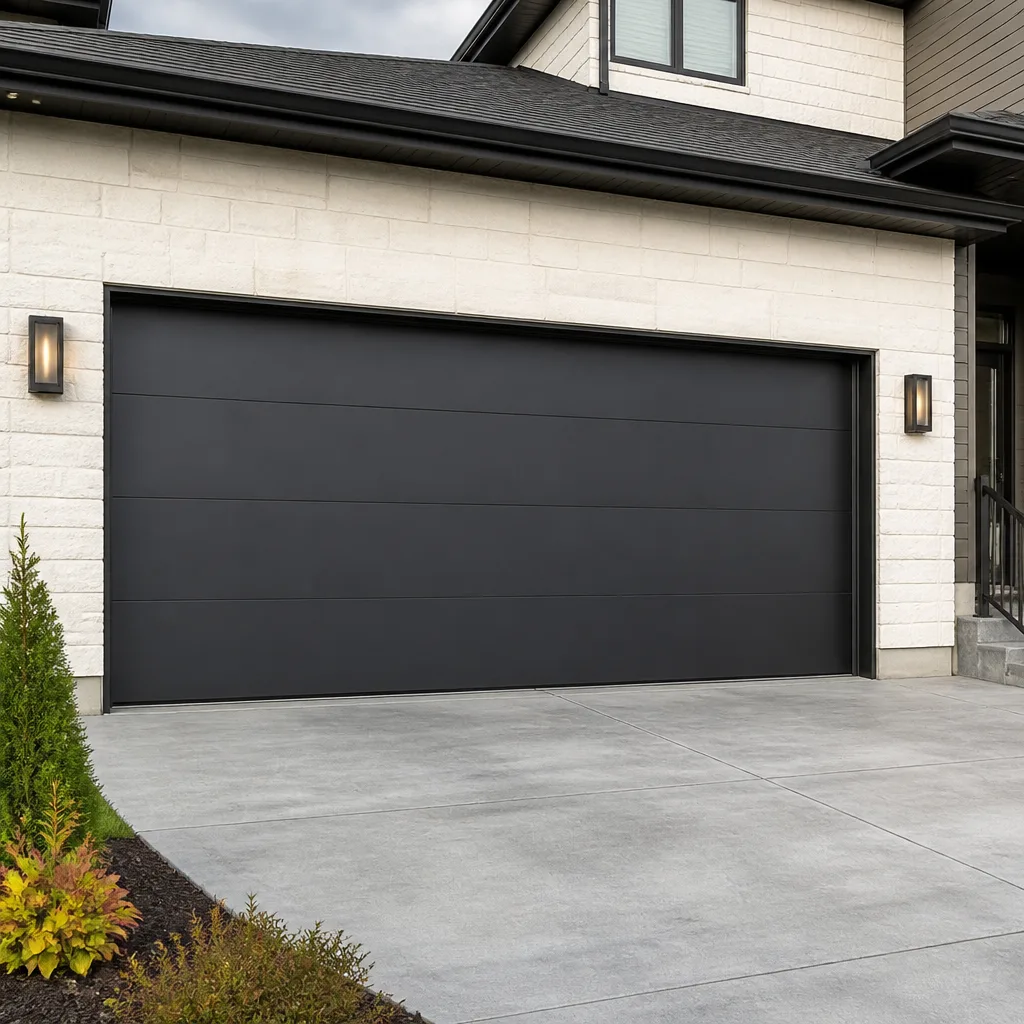 Modern flush
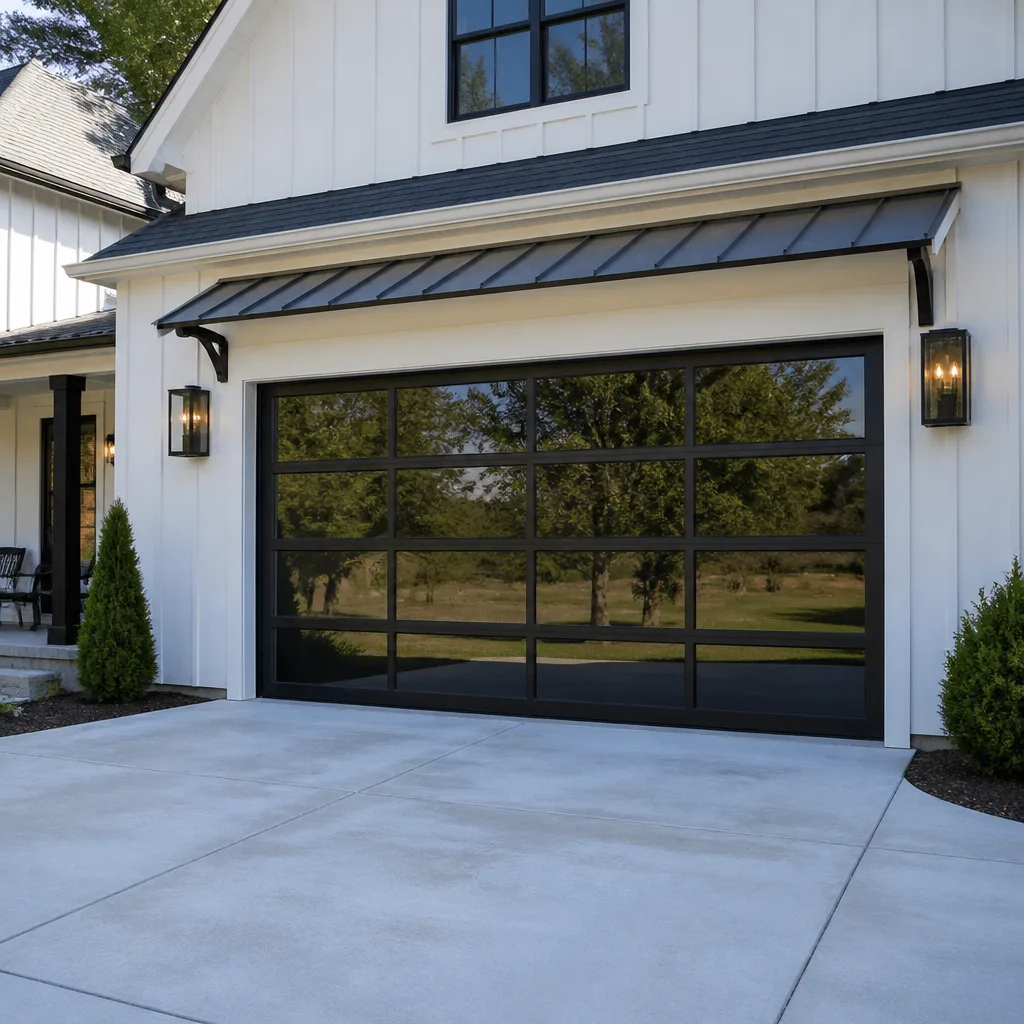 Full-view glass
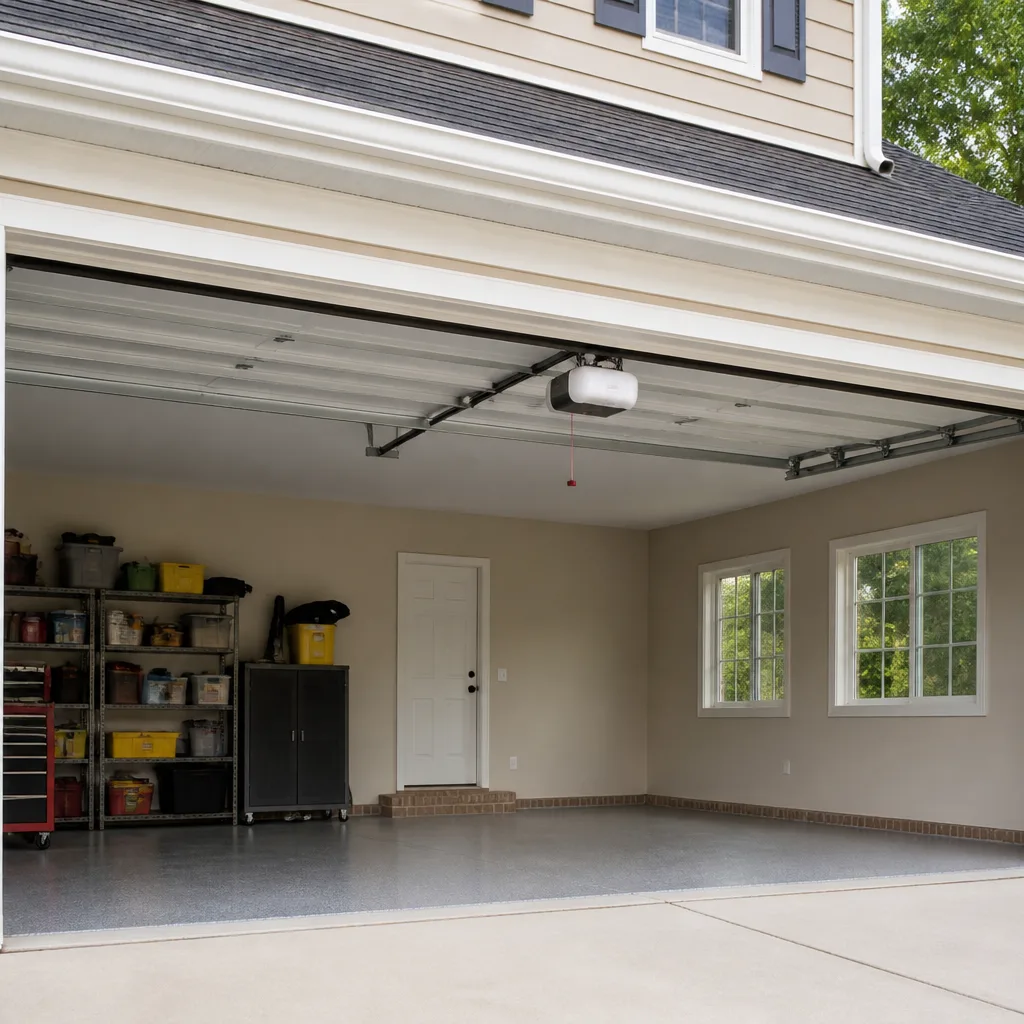 LiftMaster openers
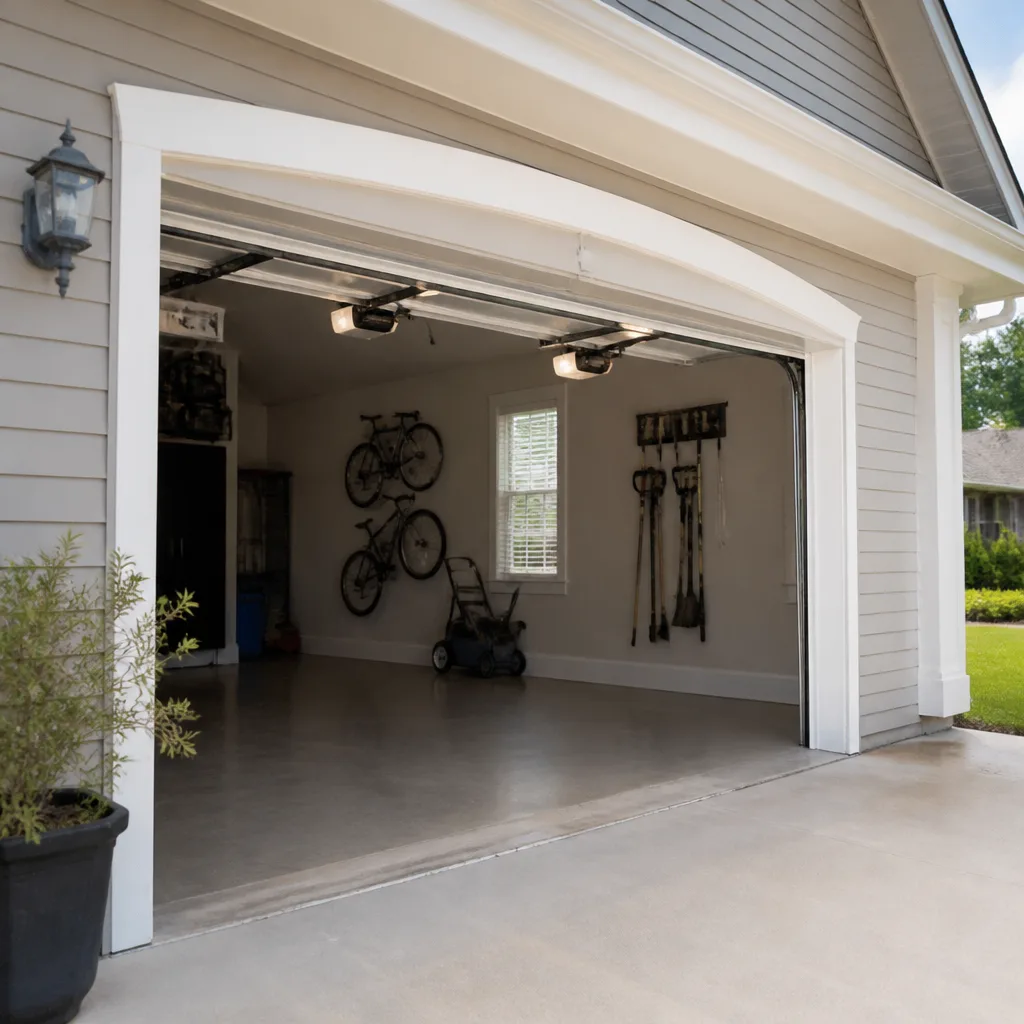 Chamberlain openers
Full 25-point door and opener safety check with every visit - springs, cables, rollers, tracks, and your LiftMaster or Chamberlain opener included
You get a price before we start. It does not change when the pro arrives.
Get your free estimateDIY vs Professional Garage Door: The Ellicott City Homeowner’s Decision Guide
Most homeowners who search for garage door repair advice are perfectly capable people. They’ve rewired a light switch, patched drywall, replaced a toilet flapper. So when a door starts screeching or a spring snaps, the instinct is to look up a video and handle it. Here’s the part the videos tend to gloss over: a torsion spring under load stores enough mechanical energy to cause permanent hand and eye injuries in under a millisecond of release, and that energy does not dissipate when you unplug the opener or flip the breaker. The failure mode is catastrophic and irreversible in a way a leaky faucet simply isn’t. This guide draws a clear line between what you can safely do yourself and what needs a specialist, written from an Ellicott City perspective, with the specific tasks on each side of that line spelled out.
Quick Answer
Capable homeowners can safely handle sensor alignment, weather seal replacement, remote and keypad reprogramming, track cleaning, and tightening accessible hardware. Anything involving torsion or extension springs, lift cables, bottom brackets, or the header bracket requires a trained technician with the right tools, because those components hold stored energy that can injure you the moment tension releases. If a spring is broken, a cable is frayed, or the door is hanging off its tracks, stop and call a professional.
Styles & brands we work with
- Raised-panel steel
- Carriage house
- Modern flush
- Full-view glass
- LiftMaster openers
- Chamberlain openers
Table of Contents
- The Physics of a Torsion Spring (Why This Isn’t Like Other Home Repairs)
- What You Can Safely Do Yourself
- What Requires a Professional, Regardless of Skill
- The Hidden Cost of DIY Errors
- How to Stage a Repair Correctly
- Ellicott City Conditions That Affect Your Door
- Openers and Electronics: A Different Kind of DIY
- How to Choose a Garage Door Specialist
The Physics of a Torsion Spring (Why This Isn’t Like Other Home Repairs)
A torsion spring is a tightly wound coil of steel mounted on a shaft above your door. When the door closes, the spring winds tighter and stores energy. When the door opens, that stored energy unwinds and lifts the door’s weight, which on a typical two-car door runs into the hundreds of pounds. Think of it as a compressed spring in a mechanical watch, scaled up dramatically. The spring is doing most of the lifting work; your opener is mostly guiding the process.
Now consider the failure. A torsion spring that breaks releases its stored energy all at once, with no warning. The coil doesn’t gently unwind. It pops, and the broken end can whip through the air with enough force to break bones or worse. This is why technicians treat spring work as a locked-out, controlled procedure instead of a “let’s see if I can get this done before dinner” job.
Two things make this different from other home repairs you might tackle:
- The danger doesn’t stop when the power does. Unplugging the opener or pulling the emergency release does not de-energize a spring. The stored mechanical energy remains until the spring is properly unwound with winding bars.
- The tools matter. Torsion springs are adjusted and replaced with solid steel winding bars of specific diameters. Improvised tools like screwdrivers or pliers slip, and a slip under load is exactly the scenario that causes serious injury.
This isn’t a lecture about skill. A homeowner who can install a ceiling fan has real mechanical ability. The point is that the risk profile here is different in kind, not just in degree. If you take one thing from this guide, make it this: springs and cables are a stop line, not a challenge to work around.
What You Can Safely Do Yourself
Plenty of garage door issues are safe, satisfying DIY work. These are the tasks where the worst-case outcome is a door that still doesn’t work right and a call to a professional, not a trip to the emergency room.
- Align the safety sensors. If your door reverses immediately after starting to close, the photo-eye sensors near the floor are probably misaligned or blocked. Wipe the lenses, check that both LEDs are solid (not blinking), and nudge them until they line up. This solves a surprising share of “my door won’t close” complaints.
- Replace the bottom weather seal. The rubber or vinyl seal along the bottom of the door takes a beating from rain and freeze-thaw cycles. It slides out of a channel on most doors. Measure the width, buy a replacement of the same profile, and slide it in. Keep the door down while you work.
- Reprogram remotes and keypads. Pairing a new remote to a LiftMaster, Chamberlain, or Genie opener is a documented process: press the learn button, then the remote button, watch for the light to confirm. Same idea for keypads. No tools, no risk.
- Clean and inspect the tracks. Wipe the tracks with a damp cloth, then look for dents, debris, or loose fasteners. Don’t lubricate the tracks themselves; a dry track lets the rollers roll. You can lubricate the rollers, hinges, and the torsion spring with a proper garage door lubricant.
- Tighten accessible hardware. Hinges, roller brackets, and the bolts you can reach with the door down can loosen with vibration over time. A socket set and a few minutes will quiet a rattling door.
- Test the auto-reverse feature. Place a roll of paper towels or a piece of wood in the door’s path and close it. The door should reverse. This is a check, not a repair, but it’s a valuable one every few months.
- Spring replacement and adjustment. Both torsion and extension springs. This includes the seemingly small “just add a quarter turn” adjustment, which is where a lot of DIY injuries actually happen.
- Cable replacement. Lift cables are under tension from the spring system. If a cable has snapped or is fraying, replacing it means first de-tensioning the spring safely, which brings you right back to the spring problem.
- Bottom bracket work. The bottom bracket anchors the cable to the door and holds tension. Removing it with the spring still wound is one of the most dangerous things a person can do on a garage door.
- Header bracket removal or repositioning. The header bracket carries the full weight of the door’s spring system and the track. Unbolting it without proper support can release the whole assembly.
- Track realignment after impact. A car bumper to the door can twist tracks in ways that are hard to see and easy to make worse by bending back.
- Panel replacement on a door that’s still under load. Individual panel swaps are common on Clopay and Amarr doors, but the door has to be safely supported first.
- Diagnose first, without touching anything. Note what the door does (won’t open, won’t close, reverses, makes a bang), when it started, and any visible damage. A quick video on your phone of the door in motion is genuinely useful to a technician.
- Check the simple things. Sensor alignment, remote batteries, the wall switch, and the breaker. If those solve it, you’re done.
- Clear the area. If the door is stuck, unplug the opener, pull the emergency release (with the door fully closed and no one underneath), and clear the space. Secure the area from kids and pets.
- Handle your safe DIY tasks. Swap the weather seal, tighten accessible bolts, clean the tracks. Do these with the door in the closed position.
- Stop at the stop line. Springs, cables, bottom brackets, and header brackets stay alone. If you’re not sure whether a task is on that list, treat it as if it were.
- Book the specialist for the rest. A single visit can cover spring replacement, cable work, and a full safety inspection. It’s more efficient than a multi-trip attempt, and it comes with a written estimate before any work starts.
- Get the whole door checked while the tech is there. Rollers, hinges, opener force settings, and balance are all worth a look at the same visit, especially on older doors.
- Replacing the battery in a remote or keypad.
- Reprogramming remotes and keypads after a power outage.
- Re-pairing a smart-home hub or a phone app after a network change.
- Adjusting the opener’s force and travel limits using the documented procedure for your model.
- Cleaning the opener’s lenses and checking the wall switch connection.
- Brand familiarity. A specialist will know your door’s make and opener’s make without hesitation. We work on the brand already in your garage: LiftMaster, Chamberlain, Genie, Clopay, Amarr, Wayne Dalton, Craftsman, and Raynor cover the vast majority of doors in Ellicott City homes.
- Spring repair as a named service. If the company treats spring repair as a specialty rather than something they “can also do,” that’s a signal they understand the risk.
- End-to-end capability. Repair, opener repair, spring work, and full new installations under one team means you won’t need a second company as needs change.
- Emergency availability. A stuck door doesn’t wait for Monday morning. Emergency garage door service is a real service line, not a marketing line.
- Written estimate before work. The price is quoted and agreed before any work starts. If that’s not the practice, keep looking.
- The right fix, not the fastest upsell. A good technician will tell you when a seal and a lube are the whole job, and when a replacement is genuinely the better call.
For sensor quirks, remote issues, and general troubleshooting that doesn’t quite fit these categories, more detail lives on our garage door opener repair page. For a door that’s off its tracks or making an unfamiliar noise, garage door repair covers the diagnostics side.
What Requires a Professional, Regardless of Skill
There’s a category of garage door work that stays on the professional side of the line no matter how handy you are. Not because of gatekeeping, but because the tools, training, and injury data all say the same thing.
Our garage door spring repair service exists precisely for this category. It’s a defined service, not a side job we fit in around other work. Spring failure is a safety issue before it’s an inconvenience, and the right answer is usually to close the door and leave it alone until a technician arrives.
The Hidden Cost of DIY Errors
The sticker price of a DIY attempt looks attractive. The math changes when you factor in the things that don’t show up on the parts receipt.
Voided warranties. New doors and openers from manufacturers like Clopay or Amarr carry warranties that typically exclude damage from improper installation or repair. If a DIY spring work causes a cable failure that bends panels, you may find the manufacturer declines the claim, and the cost of the door replacement lands entirely on you.
Secondary damage. A mis-adjusted spring puts uneven tension on the cables and rollers. The door might appear to work for a week, then start wearing the tracks or the opener’s gear assembly. What started as one spring can become a spring, two cables, and a set of rollers. A correct spring tension is set by counting turns against the door’s weight and height; getting it wrong by even a turn or two creates cumulative strain.
Emergency call premiums. A door that’s stuck halfway with the car inside is an urgent problem. Emergency garage door service exists for exactly this scenario, and homeowners who end up needing it after a DIY attempt tend to pay for both the original mistake and the correction.
Time. A trained technician with the right tools replaces a pair of springs in well under two hours. A first-time DIY attempt involves research, tool acquisition, trial, error, and often a second attempt after something doesn’t line up.
None of this is meant to be discouraging. It’s the realistic arithmetic of a decision that looks binary but is really a series of smaller choices.
How to Stage a Repair Correctly
The best approach for most homeowners isn’t “DIY everything” or “call for everything.” It’s staging: do the safe prep yourself, then hand off the high-risk portion to a specialist. This keeps costs down without compromising safety.
If your door is completely unresponsive or hanging off its tracks, the staging approach collapses to step six. That’s what Ellicott City Garage Door Repair exists for, and a quick call is a better move than standing under a door you’re not sure is stable.
Ellicott City Conditions That Affect Your Door
Garage doors in the Ellicott City area face the same seasonal rhythm as the rest of central Maryland: humid summers, damp springs, and winters with repeated freeze-thaw cycles. That combination has specific effects on the door hardware, and they’re worth understanding because they shape both the DIY and the professional side of the decision.
Freeze-thaw and the bottom seal. Water collects at the base of the door, freezes overnight, and expands. The bottom seal takes the wear first. If you find water on the garage floor after rain or snow melt, the seal is often the culprit, and it’s on the DIY list.
Humidity and rollers. The summer humidity in Ellicott City can leave rollers and hinges stiff or squeaky by July. Lubrication handles this, and it’s a safe DIY task. It’s also the reason a door that ran fine in October suddenly feels heavy in June, so don’t assume every seasonal change is a hardware failure.
Temperature and spring tension. Steel springs change slightly with temperature, which is why doors can feel different on a cold morning. A broken spring is a different matter: a sharp bang and a door that won’t lift is the classic signature, and it needs a technician, not a warmer day.
Older housing stock. Parts of Ellicott City, including the historic district near the Patapsco and neighborhoods like Dunloggin and Waverly, have homes with older doors and openers that may use legacy hardware. Matching parts correctly matters; that’s where familiarity with brands like Wayne Dalton or LiftMaster comes in.
Storm-driven debris. Summer storms drop branches and debris that can bend a track or dent a panel. Hail is uncommon here, but wind-driven impact from branches is not. Panel and track work after impact usually lands on the professional side.
Openers and Electronics: A Different Kind of DIY
Openers occupy an interesting middle ground. The mechanical danger of a spring doesn’t apply to the opener itself, but the electronics and smart-home integration are where most modern failures originate and where DIY attempts tend to stall.
Safe opener DIY tasks include:
Tasks that need a technician include replacing the opener itself, diagnosing a logic board fault, repairing a stripped gear assembly, and any work involving the opener’s DC motor or capacitor. Modern openers from LiftMaster, Chamberlain, and Genie integrate with smart-home systems and have specific pairing sequences; a technician familiar with all three brands will get it right the first time.
If your opener is over ten years old and starting to misbehave, replacement is often the better investment than repair. That’s a scheduled job, not an emergency one, and the right first step is a free measure and a written estimate rather than a same-day fix.
How to Choose a Garage Door Specialist
If you’ve decided to bring in a professional for the high-risk portion, the next question is who. A few signals separate a dedicated garage door specialist from a general handyman who “also does doors.”
Our technicians have up to 8 years of experience, and the service range spans emergency repair through full new installation. That’s the practical version of “one call covers the full job.”
Common Mistakes to Avoid
- Treating a torsion spring like a stretched rubber band. Winding bars and a controlled procedure are not optional. Substituting pliers or screwdrivers is how injuries happen, and no video tutorial changes the physics.
- Pulling the emergency release with the door up. The release is designed to be pulled with the door fully closed. Pulling it with the door open can send the door slamming down under spring tension.
- Bending a track back into place by hand. Tracks look like bent sheet metal, but their alignment is precise. A hand-bent track usually leads to roller wear, noise, and a second repair.
- Adjusting spring tension by guesswork. “It looks about right” is not a tension setting. Over-tensioning wears the cables and opener; under-tensioning leaves the door too heavy and can bind.
- Ignoring a frayed cable. Cables are under spring tension and can snap without warning. If the cable is fraying, treat the door as out of service until a technician sees it.
- Skipping the free estimate and buying an opener online. The exact model matters for compatibility with your door’s weight, tracks, and existing accessories, especially in Ellicott City homes with older doors.
- Trying to save money on a door that’s clearly at end of life. Patching panels and springs on a door with structural issues often costs more over two years than a scheduled replacement with a written price would have.
See the difference
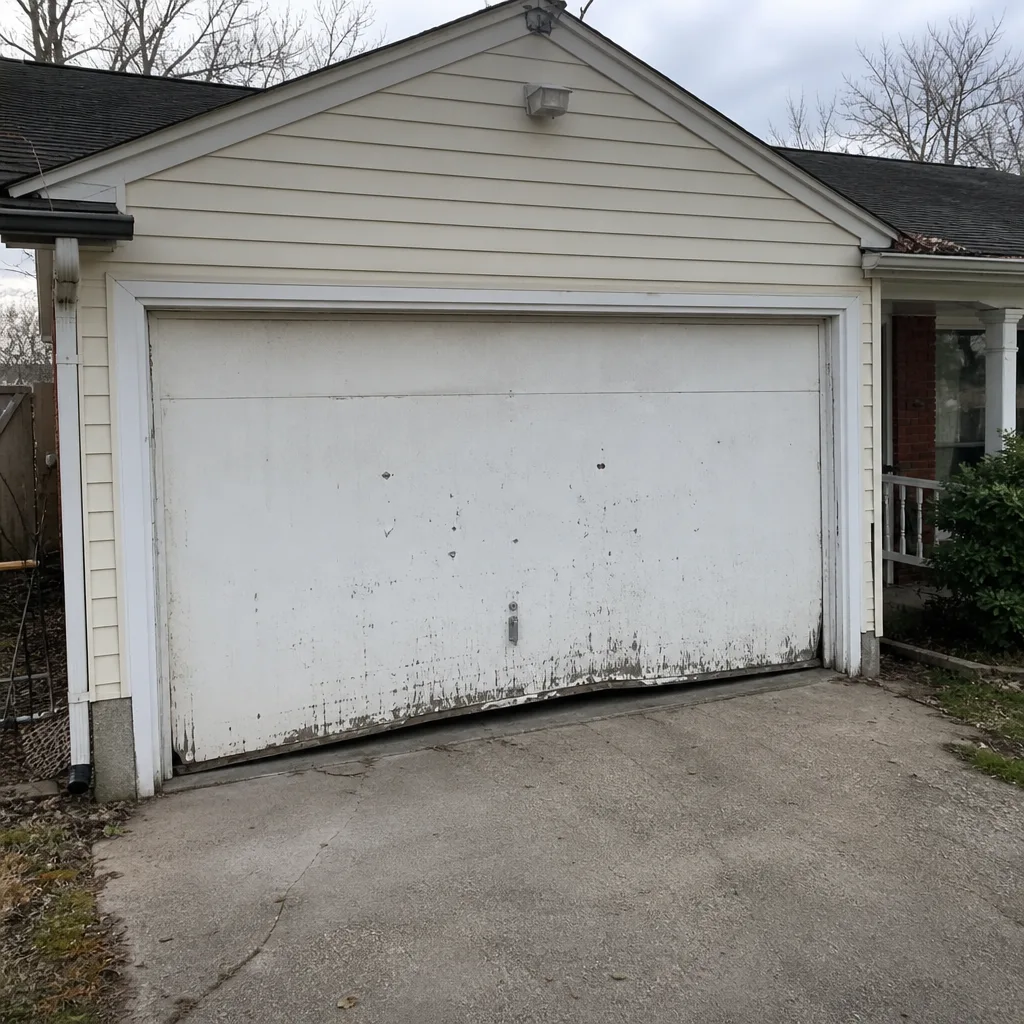 Before
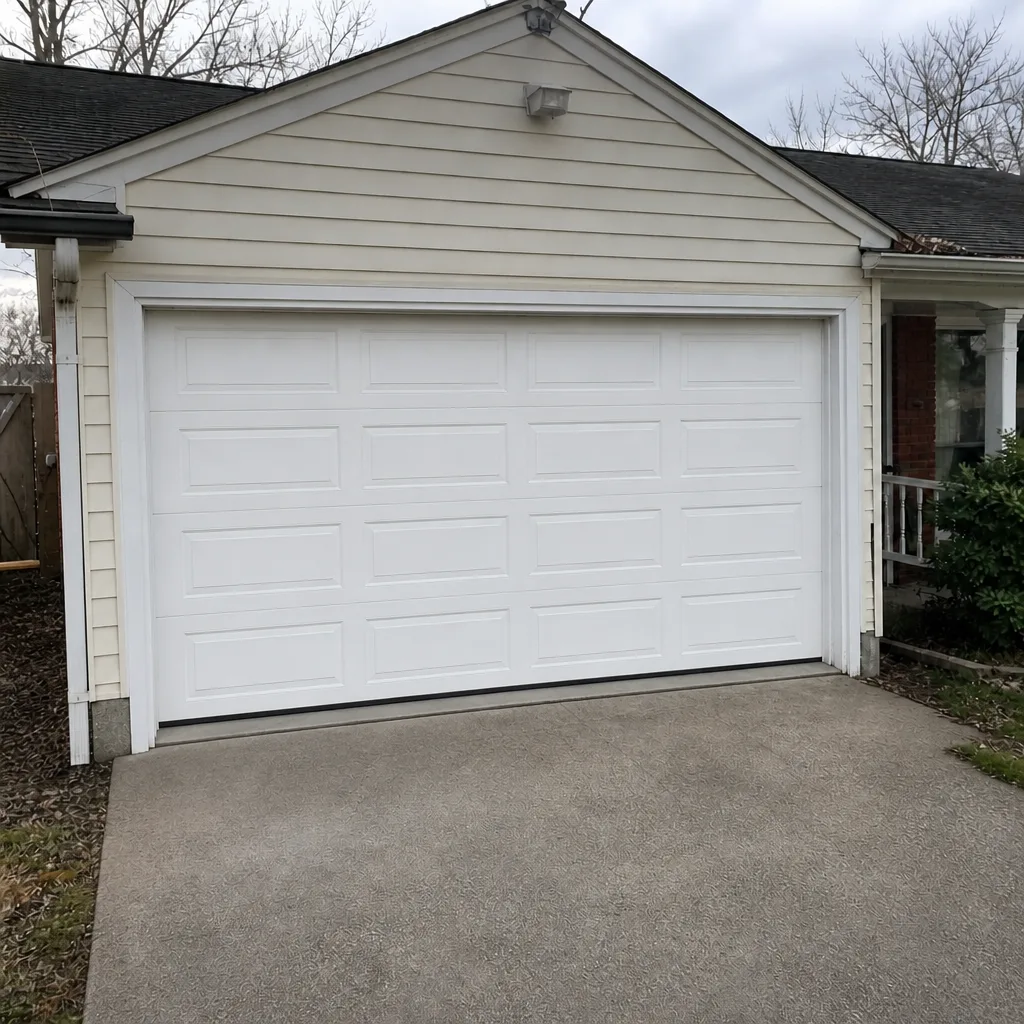 After
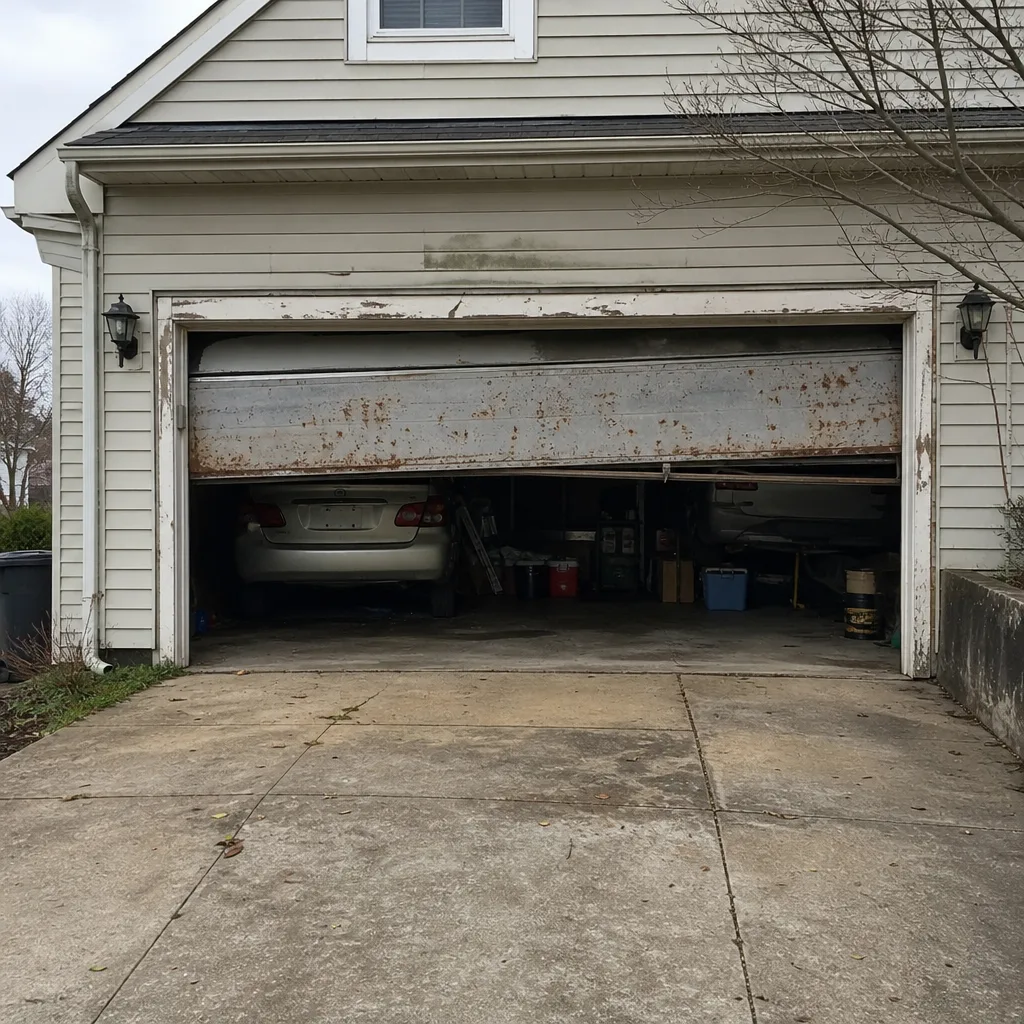 Before
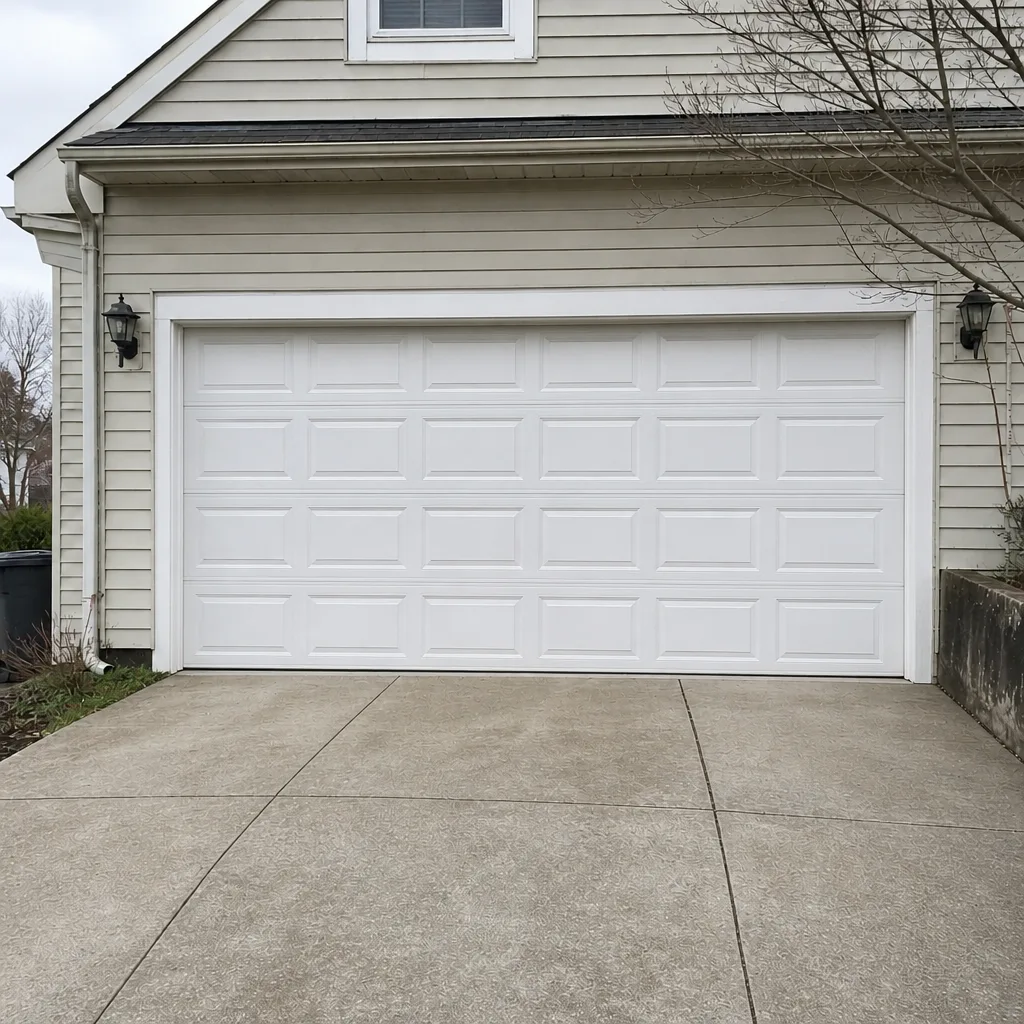 After
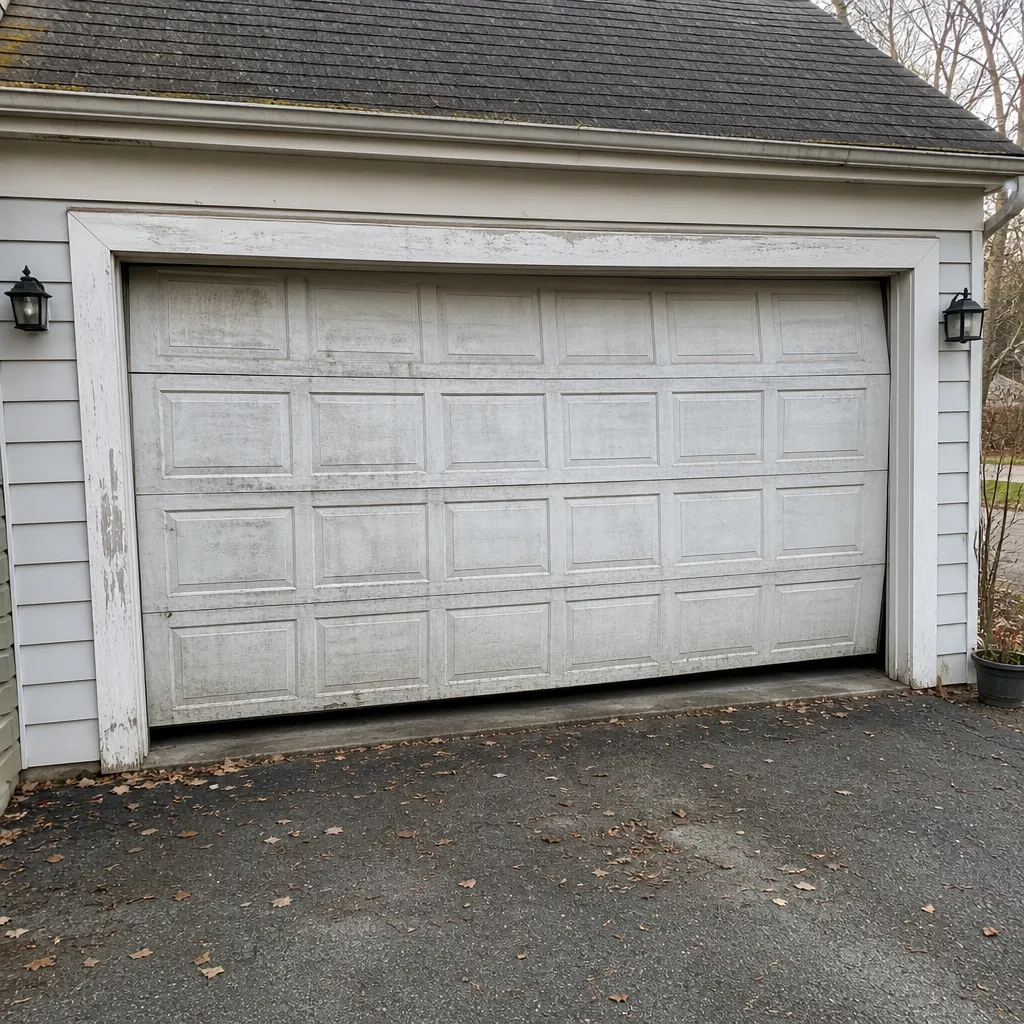 Before
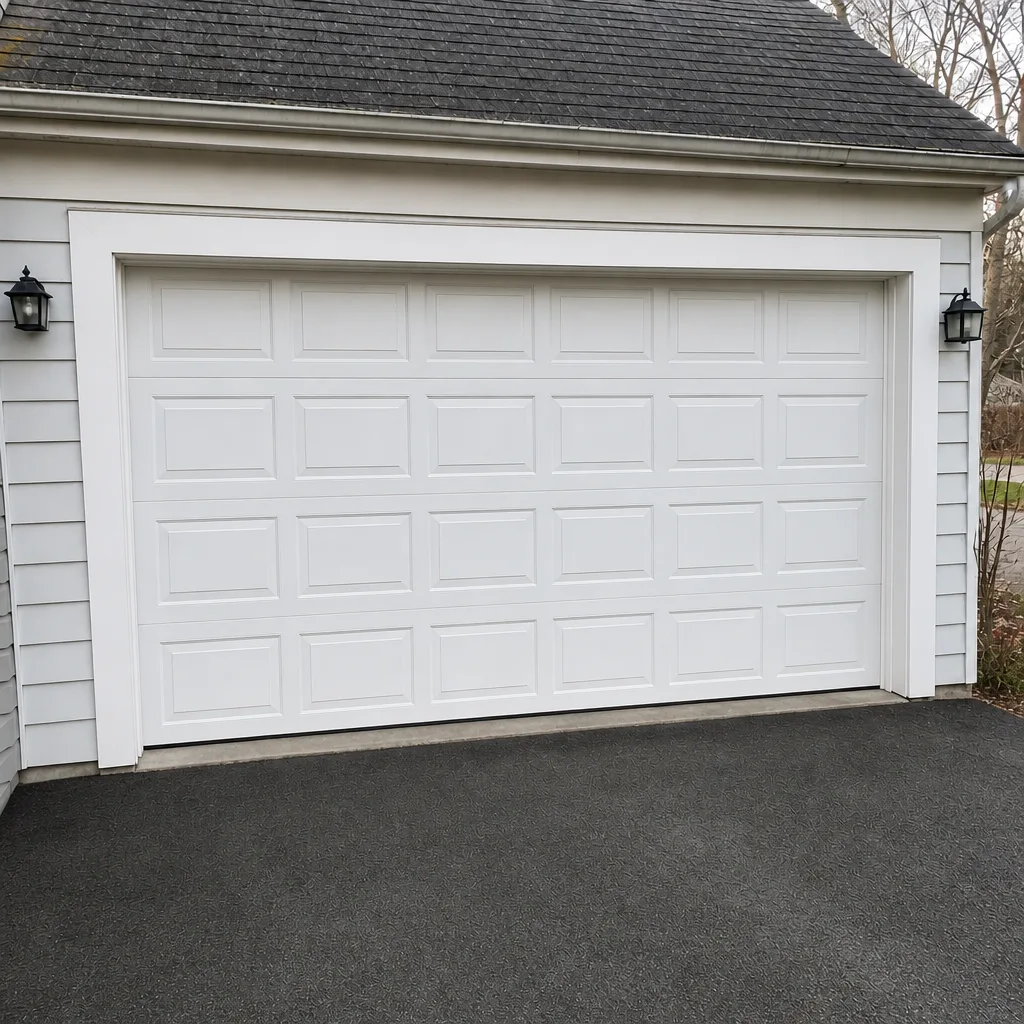 After
When to Call a Professional
Call a professional when any of these are true: a spring has broken or is visibly damaged, a cable is frayed or off its drum, the door is hanging off its tracks, the door slammed down or reversed unexpectedly, the bottom bracket or header bracket is loose, or you’re simply not sure whether the problem is safe. Any of those, and the correct next move is to leave the door alone and call. For the DIY side, sense checks like sensor alignment and seal replacement can usually be solved by a homeowner in an afternoon. Beyond that, the safety margin is too thin to work around. Ellicott City Garage Door Repair offers free estimates in Ellicott City, with the price quoted and agreed before any work starts, and emergency service available for doors that can’t wait. Call (877) 361-6822.
Frequently Asked Questions
No. Spring replacement carries a risk of catastrophic injury regardless of skill level, because the spring stores enough mechanical energy to cause permanent hand and eye damage in under a millisecond of release, and that energy doesn’t dissipate when you unplug the opener. The correct tools are solid steel winding bars, and getting the tension wrong by even a turn or two creates cumulative wear on cables and the opener. Call (877) 361-6822 for a free estimate on spring repair in Ellicott City.
Adjusting spring tension by guesswork. Homeowners often diagnose a “heavy” door as a spring problem and add a quarter turn or two without a winding bar or a reference point. The door can seem to work for a short time, then start binding and wearing out the opener gear assembly. It’s a small adjustment that turns into a bigger repair. Call us for a proper tension check and a written estimate.
Usually not, as long as the squeak is coming from hinges, rollers, or the spring. That’s lubricant and a few minutes on the DIY side. If the squeak started suddenly, is paired with a grinding noise, or the door is also slow or uneven, that’s a sign something else is going on, and it’s worth a look. Call us if you’re not sure which side of that line you’re on.
Repair usually wins if the door’s structure is sound: springs, cables, rollers, and opener gear are all replaceable. Replacement wins when panels are bent, the door has repeated issues across multiple systems, or the door is well past its serviceable life. Ellicott City homes with older doors often land in the replacement territory, but a free measure and a written price will tell you which path makes sense. Call for an estimate.
Improper DIY work can. Manufacturers like Clopay and Amarr typically exclude damage caused by improper installation or repair, which means a failed spring or a bent track could land entirely on you if the cause traces back to a DIY attempt. Professional repairs protect the warranty and the safety of the system. Call (877) 361-6822 for a free estimate.
Often, yes. A stuck door that’s fully closed can usually wait for a scheduled visit, but a door hanging off its tracks or a car trapped inside is a different situation. Emergency garage door service exists for exactly that scenario. Call (877) 361-6822 and we’ll confirm what’s possible for your Ellicott City door.
The Bottom Line
The DIY vs. professional question for garage doors is really a question about which specific tasks carry injury risk you can’t prepare your way out of. Sensors, seals, remotes, lubricant, and track cleaning are yours. Springs, cables, bottom brackets, and header brackets belong to a trained technician, because the stored energy in a torsion spring is a different order of danger. Stage the job: do the safe prep yourself, hand off the high-risk portion, and get a written estimate before any work starts. That’s the decision that protects your hands, your door, and your budget, whether you’re in Ellicott City or anywhere nearby.
Ready for a free estimate? Call (877) 361-6822. Ellicott City Garage Door Repair offers free estimates in Ellicott City, with the price quoted and agreed before any work starts. Emergency garage door service is available for doors that can’t wait. One call covers the full job, whether it’s a spring, an opener, or a full new installation.
Written by the team at Ellicott City Garage Door Repair.