Last updated November 21, 2026
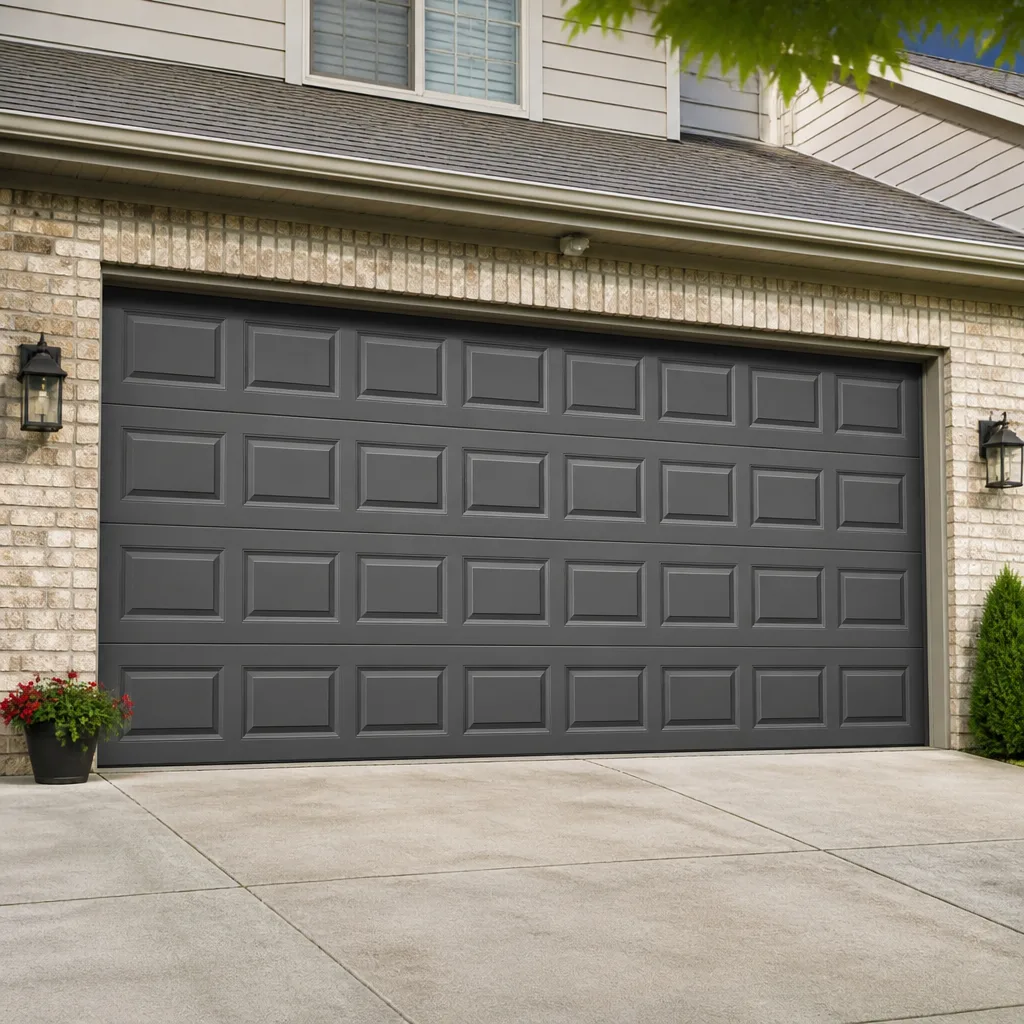 Raised-panel steel
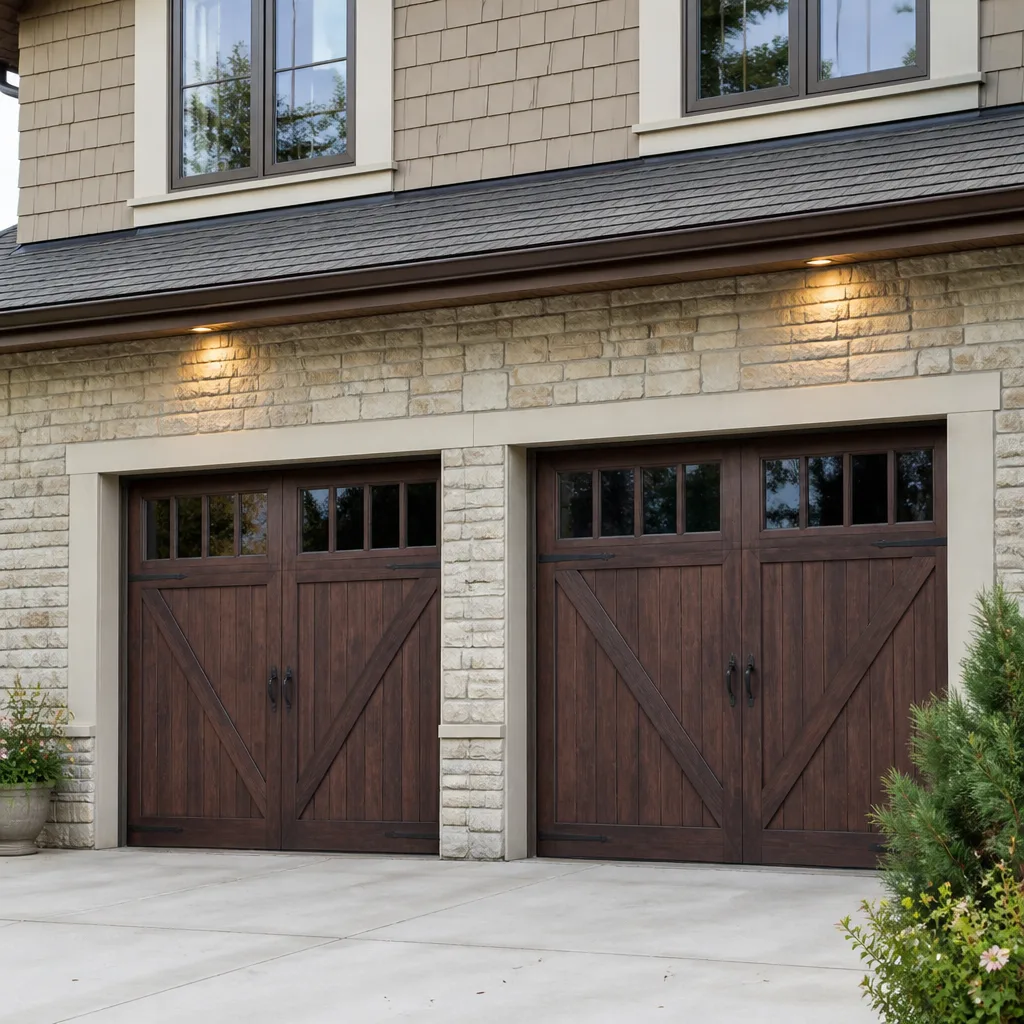 Carriage house
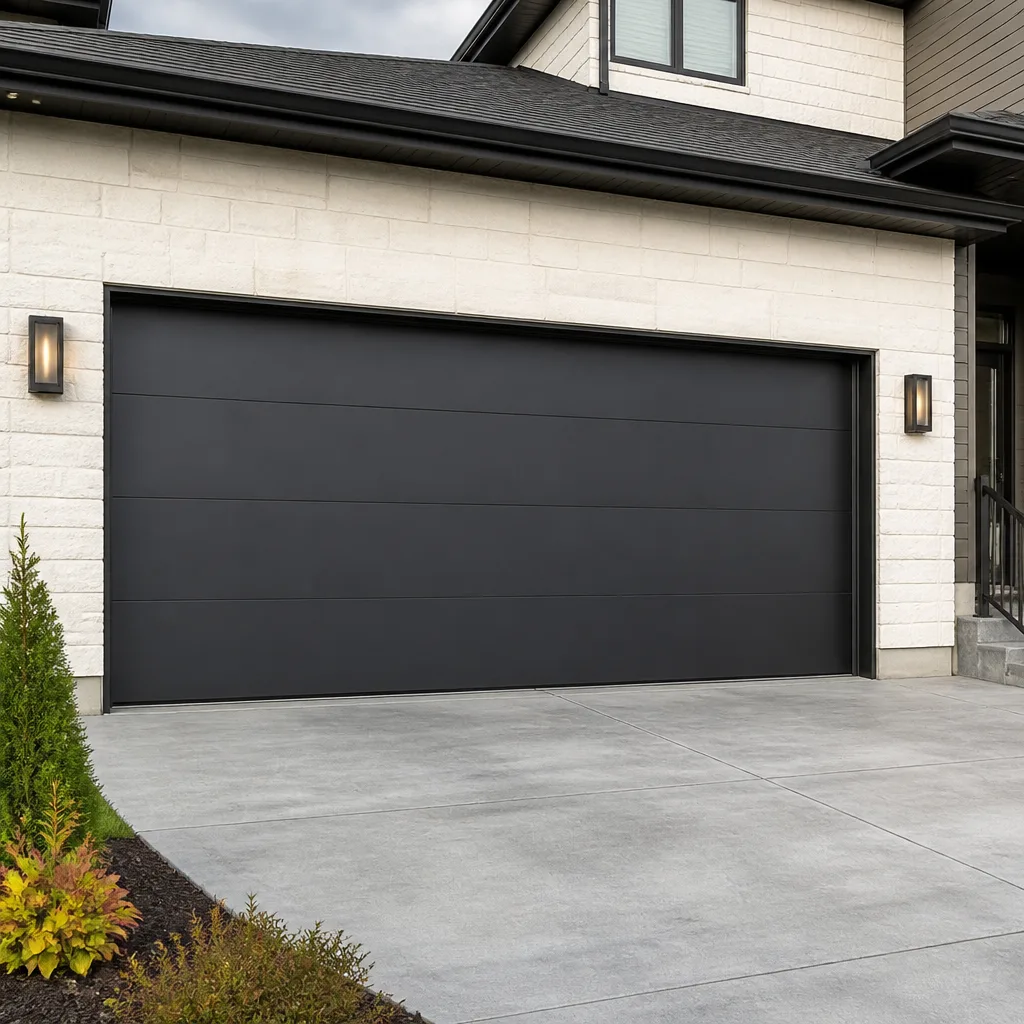 Modern flush
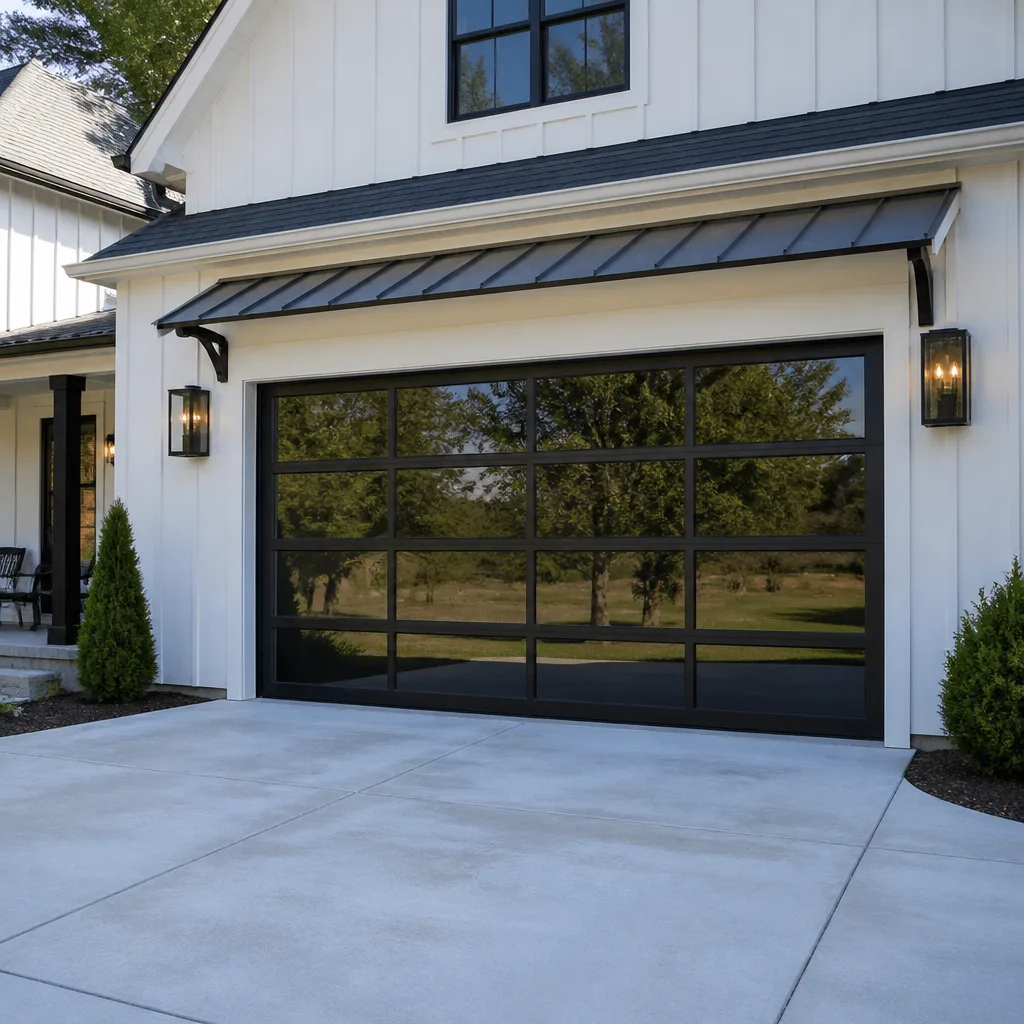 Full-view glass
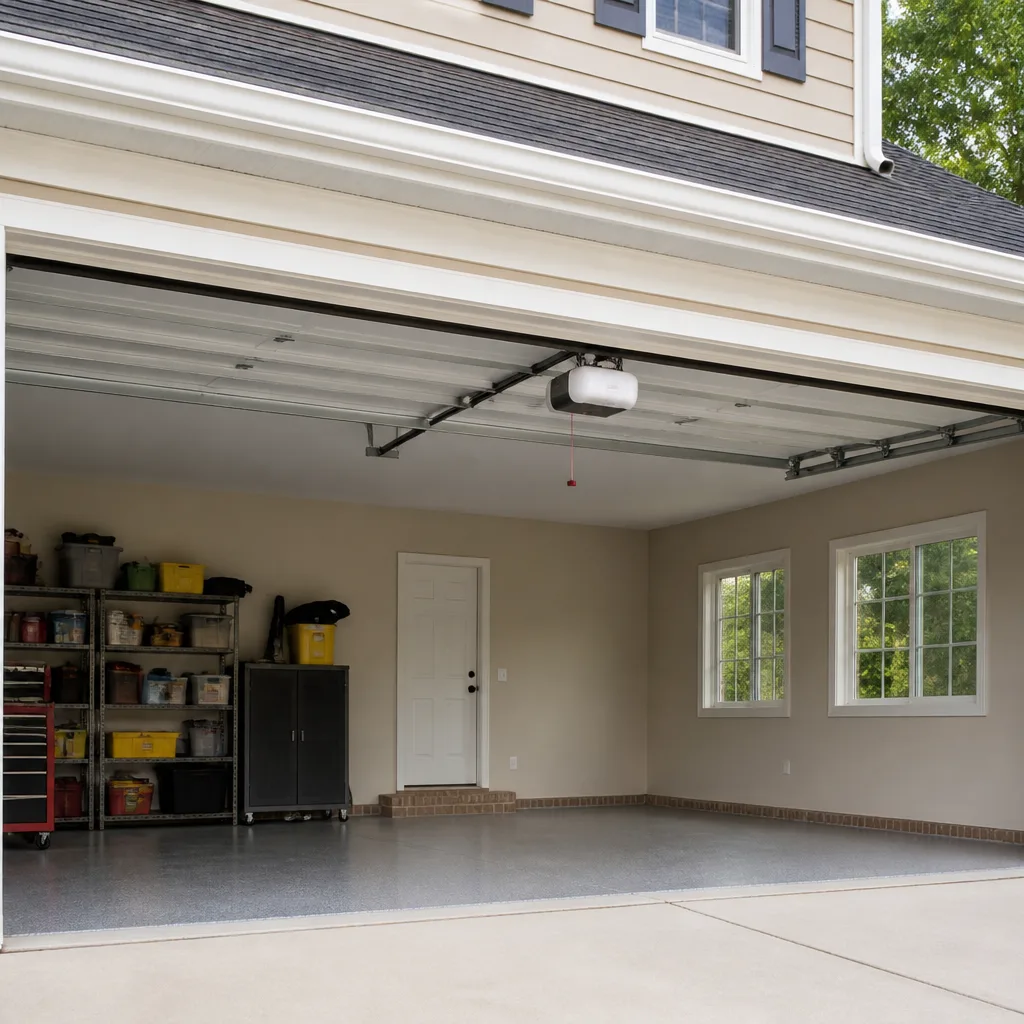 LiftMaster openers
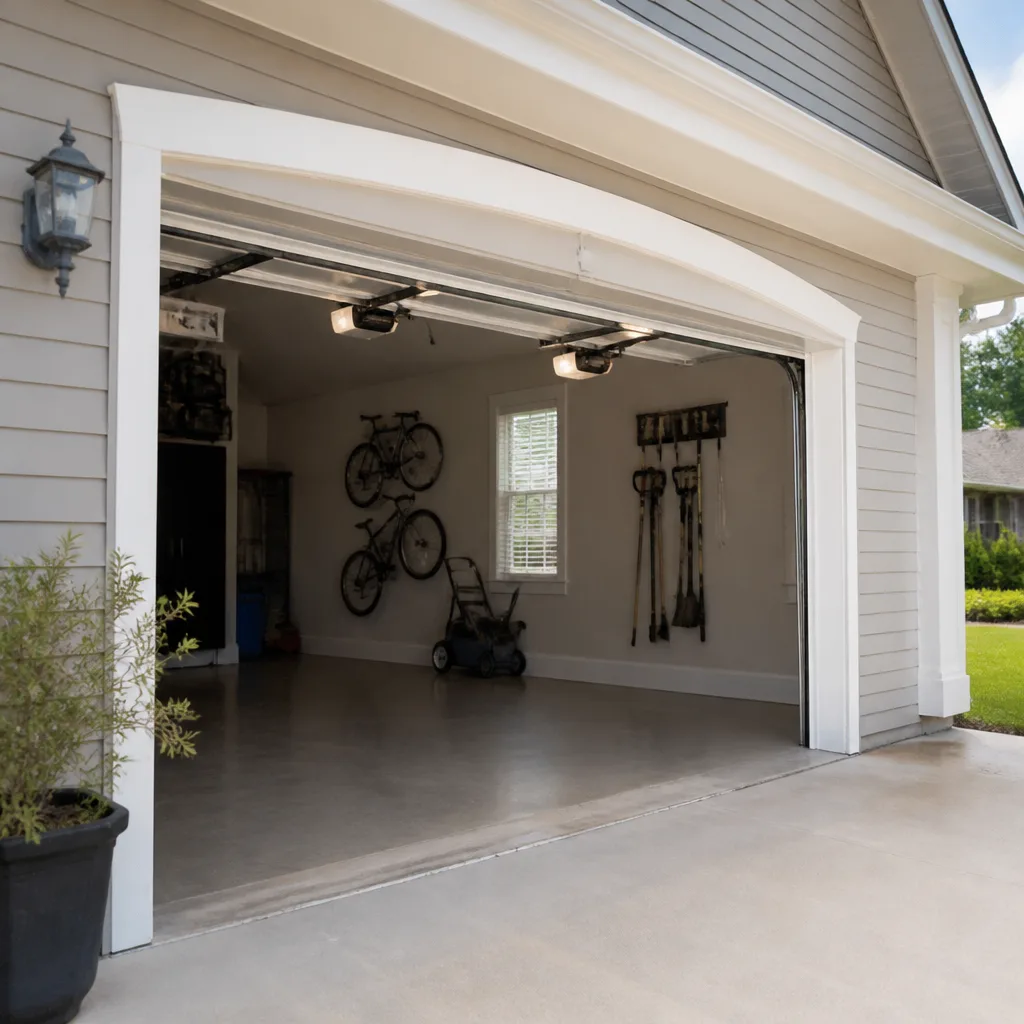 Chamberlain openers
Full 25-point door and opener safety check with every visit - springs, cables, rollers, tracks, and your LiftMaster or Chamberlain opener included
You get a price before we start. It does not change when the pro arrives.
Get your free estimateGarage Door Permits, Codes & Inspections in Ellicott City, MD: What You Need to Know
Most Ellicott City homeowners assume that swapping a garage door is a simple “no permit needed” project. That’s usually true, and it’s also where people get into trouble. Howard County doesn’t require a permit for a straight door replacement, but the moment a contractor modifies the header, widens the opening, or runs a new electrical circuit for the opener, you’ve crossed into permit territory. Skip that step and it has a way of surfacing during a home inspection or at the closing table years later. This guide walks through exactly what triggers a permit in Ellicott City, what an inspection covers, and how historic districts and flood zones change the rules.
Quick Answer
In Howard County, a like-for-like garage door swap on an existing, unaltered opening generally doesn’t require a building permit. You do need one when the work touches structural framing – modifying or replacing the header, widening the opening, or changing the door size – or when you add or upgrade the electrical circuit feeding the opener. Homes in Old Ellicott City’s historic district face an additional design review, and properties near the Patapsco in mapped flood zones may need flood-venting compliance.
Styles & brands we work with
- Raised-panel steel
- Carriage house
- Modern flush
- Full-view glass
- LiftMaster openers
- Chamberlain openers
Table of Contents
- What Triggers a Garage Door Permit in Howard County?
- What Usually Doesn’t Need a Permit
- Historic District Rules in Old Ellicott City
- Flood Zone Implications Along the Patapsco
- Electrical Permits for Opener Upgrades
- Structural Header Work and Home Inspections
- What a Garage Door Inspection Actually Covers
- Step by Step Through the Permit Process
What Triggers a Garage Door Permit in Howard County?
A building permit is triggered when garage door work changes the structure or the electrical system, not when it replaces a door in the same opening. Howard County’s permit threshold follows the same logic as most jurisdictions: cosmetic and mechanical replacement is one category, and structural or electrical modification is another. Knowing which category your job falls into before you call anyone saves a lot of back-and-forth later.
Here’s what typically lands a garage door project in permit territory in Ellicott City:
- Header modification or replacement. The header is the beam spanning the top of the opening. Replace it, cut into it, or add a support post, and you’re into structural work that needs a permit.
- Widening the opening. Going from a single-car to a double-car opening, or adding height for a taller door, changes the load path. That’s a structural permit.
- New or upgraded electrical circuit. Installing a new opener on a garage that never had one, or upgrading from a 1/2 HP unit to a higher-draw opener on older wiring, may require an electrical permit.
- Converting a garage to living space. Different project, but it involves the door opening and almost always requires permits for both structural and egress reasons.
- New construction or an addition. A garage built as part of new construction or an addition is permitted as a whole.
The confusing part is that these categories overlap. A “simple” door replacement that turns out to need a new header because the original was undersized becomes a permitted structural job. In our experience, that discovery happens during the initial measure, not mid-installation, which is why we look at the framing before quoting. If you’re already dealing with a failing door, our garage door repair team can help you sort out whether the fix is cosmetic or structural.
What Usually Doesn’t Need a Permit
A straight replacement of an existing garage door with a new one of the same size, in the same opening, on the same track configuration, typically doesn’t require a permit in Howard County. Neither does routine repair. Spring replacement, cable replacement, roller changes, panel swaps, and opener repair fall under normal maintenance and repair in most cases.
Here’s what that covers in plain terms:
- Replacing a worn door with a new one of the same dimensions.
- Replacing broken springs, cables, rollers, or hinges.
- Repairing or replacing an opener that’s already wired to an existing circuit.
- Adjusting tracks and balancing a door.
- Replacing weather seals and trim.
The catch is that a “same-size replacement” isn’t always same-size in practice. Older Ellicott City homes sometimes have openings that were never built to standard dimensions. If we measure and find the new door needs a different track layout or a slight framing adjustment, that’s when the permit question comes up. We’d rather flag that during the estimate than after the door is ordered. If you’re not sure whether your project qualifies, the fastest path is a free in-person estimate – we look at the opening and tell you straight whether permits are in play.
Historic District Rules in Old Ellicott City
Old Ellicott City sits within a historic district, and that overlays a second set of rules on top of the county building code. The Maryland Historical Trust review process applies when exterior changes are visible from the street or affect the historic character of the structure. Garage doors count. A modern raised-panel door in a bright color is a different proposition from a carriage-style door that matches the period of the surrounding buildings.
What that means for a garage door project in the historic district:
- Check the district boundary first. Not every property on a historic-sounding street is inside the boundary. The county planning office can confirm whether your address is in the overlay.
- Expect design review before installation. Exterior changes generally go through review, and the review considers door style, panel configuration, material, and color.
- Pre-approved styles exist. Certain carriage-house and traditional raised-panel door styles are typically accepted without extended review because they’re consistent with the district’s character. Ask the reviewing body for the current list before you shop.
- Get approval before ordering. A door that fails review after installation is expensive to reverse. Approval first, order second.
This is where brand familiarity helps. We work on Clopay and Amarr doors regularly, and both lines include styles that suit historic districts without looking out of place. If you’re in Old Ellicott City and want to know which options are likely to clear review, that’s exactly the kind of question to raise before you commit to a style.
Flood Zone Implications Along the Patapsco
Properties near the Patapsco River, particularly in the lower-lying parts of Ellicott City, may sit in FEMA-mapped flood zones – AE or X depending on elevation. That matters for garage door installation because flood zone rules can affect how the opening is required to vent water during a flood event. In mapped AE zones, garage openings are often required to include flood vents or breakaway panels that allow water to pass through rather than blow out the walls.
The basics of how this works:
- AE zones have the strictest requirements. These are areas with a defined base flood elevation. Garage openings in AE zones need specific venting or breakaway provisions.
- X zones are typically less restrictive. Areas outside the high-risk floodplain usually don’t require special venting, but the exact rules depend on the property’s elevation and the local floodplain administrator’s interpretation.
- The door itself can be part of the compliance. Some door systems are designed with breakaway panels that satisfy flood-venting requirements. Not every door qualifies.
- Verify before you install. Pull the property’s flood zone status from the county or FEMA maps, and confirm with the local floodplain administrator what, if anything, applies to your garage opening.
We can’t guess what a property’s flood zone status is from the street, and neither can any contractor worth hiring. That’s a check the homeowner does before the estimate, or one we do together during the free measure. If the garage is in an AE zone and the door needs flood venting, that shapes the door selection from the start. If you’re unsure, our Ellicott City Garage Door Repair team can walk you through where to find your property’s flood zone status.
Electrical Permits for Opener Upgrades
Replacing an opener with a unit of similar draw on an existing circuit usually doesn’t require an electrical permit. Upgrading to a higher-draw opener, or adding an opener to a garage that never had one, can require one – especially on older homes where the garage circuit was never sized for a modern opener. Howard County follows standard electrical code, and anything that modifies the circuit falls under the county’s electrical permit process.
What to expect on older homes in Ellicott City:
- Circuit capacity matters. A 1/2 HP opener from twenty years ago draws differently from a modern belt-drive unit with battery backup and smart-home integration. If the existing circuit is already near capacity, the upgrade may need new wiring.
- New circuit means a permit. Running a dedicated circuit to the garage is a permit-and-inspection job.
- GFCI protection is standard. Garages fall under the same ground-fault protection rules as other potentially damp spaces. Any code-compliant install accounts for that.
- Permit records follow the house. An electrical permit pulled and closed is a paper trail that helps at resale. An unpermitted circuit can complicate a home inspection.
Our garage door opener repair technicians work with LiftMaster and Chamberlain units regularly, so we know what a clean install looks like on both old and new circuits. If your existing opener is failing, sometimes the fix is repair and sometimes it’s replacement with upgraded power – and the permit question depends on which path you take. A free estimate tells you which direction makes sense.
Structural Header Work and Home Inspections
Unpermitted structural header work is the problem that surfaces years later, usually during a home inspection or at the closing table. A header that was replaced without a permit and without inspection may look fine on the surface and still fail a home inspector’s eye. The inspector sees the door, the framing, and the missing permit record, and the sale stalls until it’s resolved.
What tends to give it away:
- No documented permit history. The county’s records show no permit was pulled for the work. That’s an automatic question from any buyer’s inspector.
- Framing that doesn’t match the original structure. A header replaced by a different crew often uses different lumber sizes, fasteners, or connectors than the surrounding structure.
- Missing or incorrect hardware. Track brackets and torsion anchors fastened into unverified framing are a red flag.
- Door alignment issues. A door that binds or drifts even with fresh springs often means the opening itself isn’t square – which points back to the framing.
Remediating an unpermitted header means retroactively pulling the permit, having the work inspected, and potentially opening up the wall to correct the framing. That’s a real cost at the worst possible time. It’s also avoidable. If you suspect work on your garage wasn’t permitted, the honest move is to pull the permit history from the county and deal with it on your own schedule rather than during a sale. In our experience, the homeowner who asks the question early sleeps a lot better than the one who finds out at closing.
What a Garage Door Inspection Actually Covers
A garage door inspection is not the same as a county building inspection, and it’s worth understanding the difference. The county inspection confirms that permitted work was done to code. A garage door safety inspection looks at whether the door system as a whole is functioning safely – springs, cables, tracks, openers, safety sensors, and balance. Most homeowners never get one, and most doors that need one have been failing slowly for years.
What a proper inspection covers:
- Springs and cables. Visual check for wear, corrosion, and stretch. Springs near end-of-life are flagged.
- Balance test. The door is disconnected from the opener and cycled by hand to check balance and travel.
- Track and roller condition. Alignment, wear, and any binding.
- Hinge and panel fasteners. Loose or missing hardware is tightened or replaced.
- Opener function. Force settings, travel limits, and reverse-on-contact are verified.
- Safety sensor alignment. The photo-eye sensors are checked for alignment and function.
If your door is part of a permit-related project, the county inspection is separate and specific to the permitted work. But a safety inspection is worth doing on its own, especially on older homes where the door and opener haven’t been looked at in years. Spring failure is a safety issue, not just an inconvenience – a torsion spring under tension can cause serious injury if it lets go. If you’re hearing a bang from the garage or noticing the door getting harder to lift, our garage door spring repair team can look at it safely.
Step by Step Through the Permit Process
Here’s how a typical permitted garage door project in Ellicott City moves through the process, start to finish. The exact steps depend on what kind of work is involved, but this is the general order.
- Get a site check and written estimate. Any reputable contractor looks at the opening before quoting – header condition, framing, existing opener wiring, and door dimensions. Free estimates are standard.
- Confirm the permit requirement. If the work touches structure or electrical, confirm the permit requirement with the Howard County building department before proceeding. If you’re in a historic district, confirm the design review requirement at the same time.
- Confirm flood zone status if applicable. For properties near the Patapsco, pull the FEMA map status and check with the local floodplain administrator. This shapes the door selection.
- Submit the permit application. Your contractor typically handles this as part of the job. The application includes the scope of work, location, and any structural or electrical detail required.
- Get the permit issued. Once the permit is issued, work can begin. Nobody starts before the permit is in hand on a permitted job.
- Complete the work and schedule the inspection. After the structural and electrical work is done, the county inspection confirms it was done to code. The door installation can proceed once the inspection is scheduled.
- Get the permit closed. The final inspection closes the permit. Keep the documentation – it’s part of your home’s record.
Every step above is a conversation with the county, not a guess. We can’t see your property’s permit history or flood zone status from our end, but we can walk you through what’s likely needed based on the scope of work. If your job turns out to be a straight replacement, all of this falls away and you’re back to a simple install.
Common Mistakes to Avoid
- Assuming all door replacements are permit-free. Most are, but the exceptions – header work, opening changes, new electrical – are exactly the ones that cause trouble later. Confirm before you commit.
- Ordering a door before checking historic district approval. Old Ellicott City properties need design review before installation, and a door that fails review after install is expensive to reverse.
- Ignoring flood zone status on Patapsco properties. AE zone requirements for garage openings are specific, and not every door satisfies them. Verify before selecting a door.
- Upgrading the opener without checking circuit capacity. A higher-draw opener on an old, undersized circuit may need a new dedicated circuit and permit. That’s a scoping question, not an afterthought.
- Letting structural header work go unpermitted. It’s the single most common cause of garage-related home inspection headaches at sale in Ellicott City, and remediation costs more than doing it right the first time.
- Skipping the pre-purchase permit history check. If you’re buying a home in Ellicott City with a garage, pull the permit history from the county before closing. It’s cheap insurance.
- Treating a garage door inspection as optional. Springs, cables, and safety sensors fail quietly. A door that hasn’t been looked at in years is worth a professional once-over, and it costs very little relative to a spring failure.
See the difference
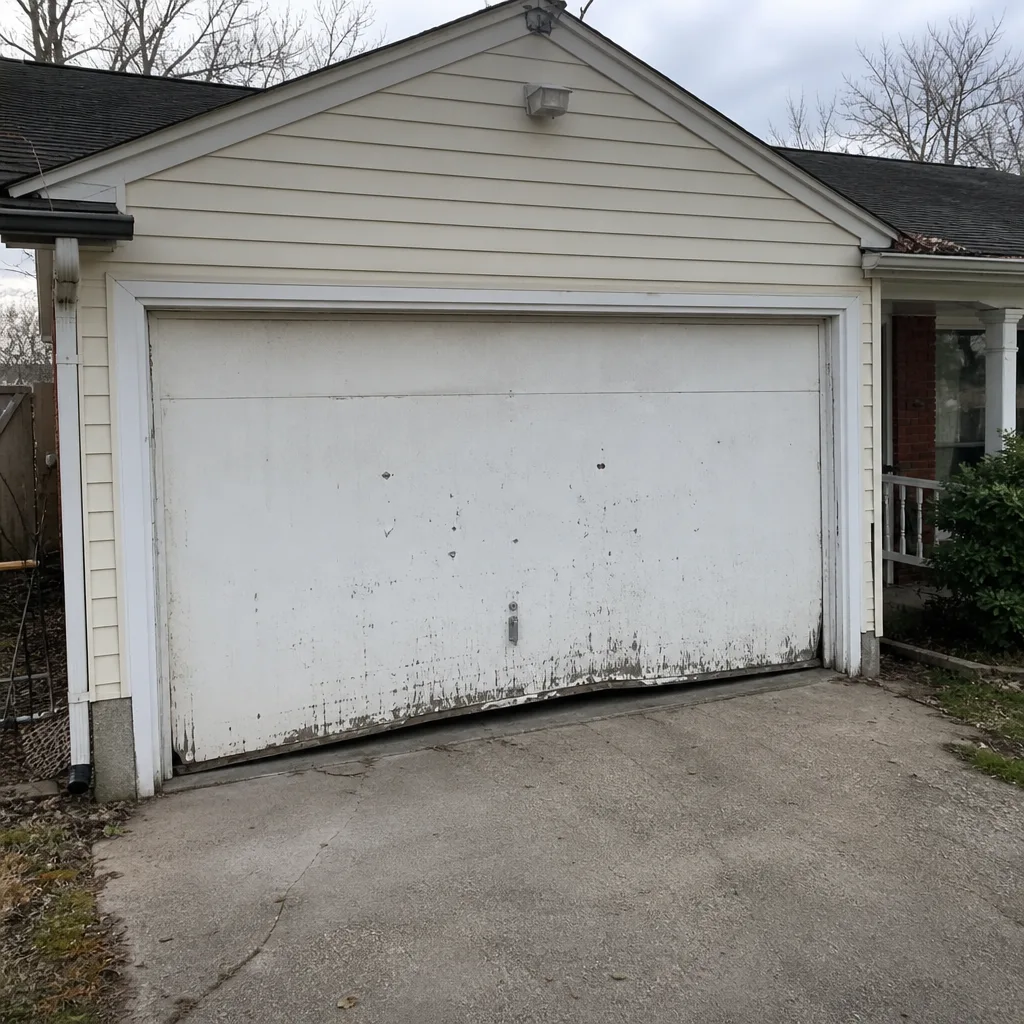 Before
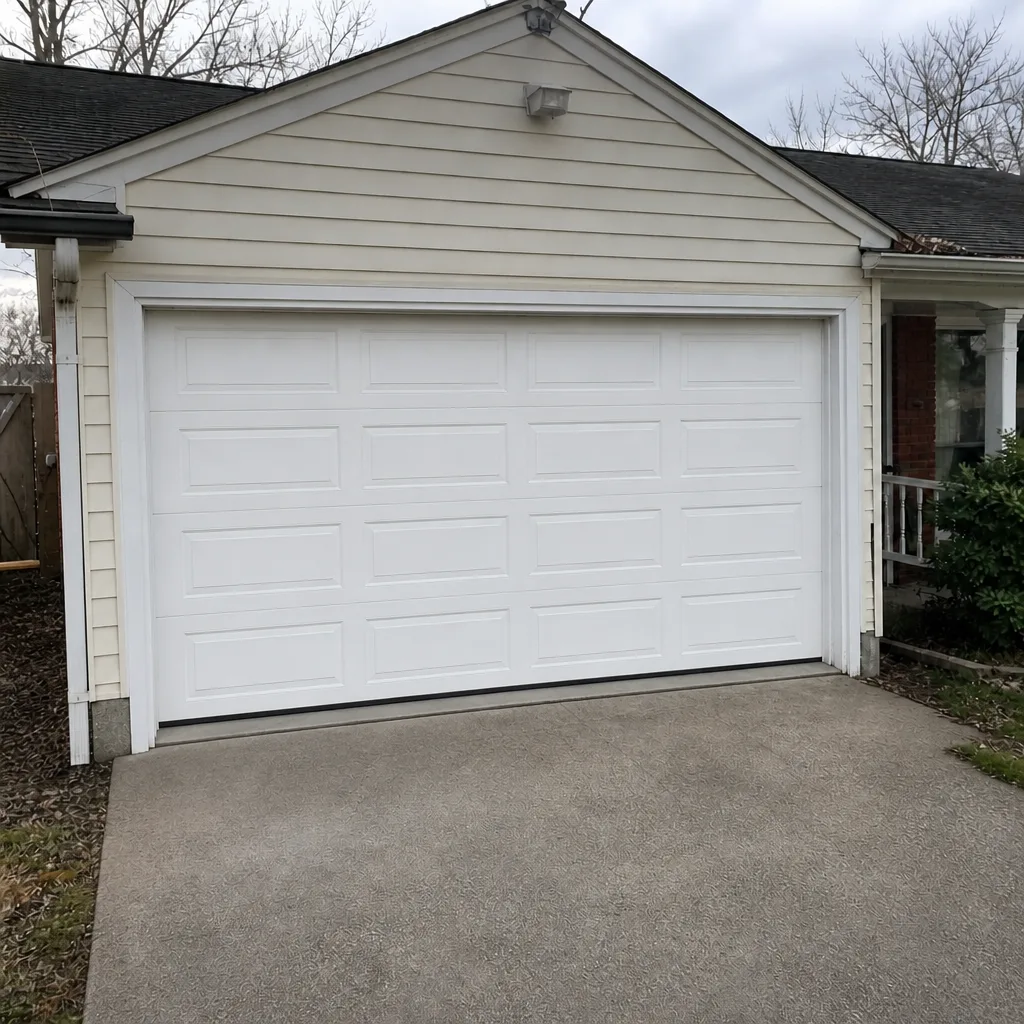 After
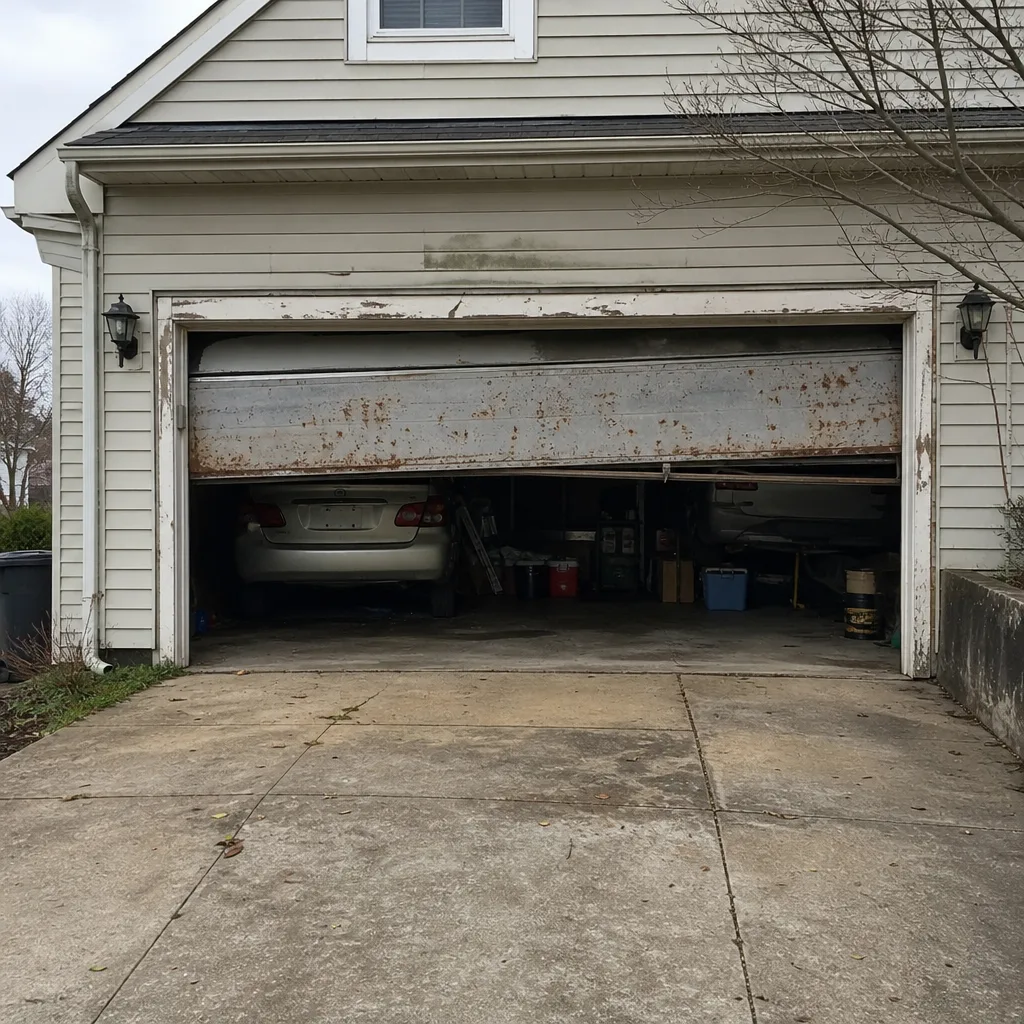 Before
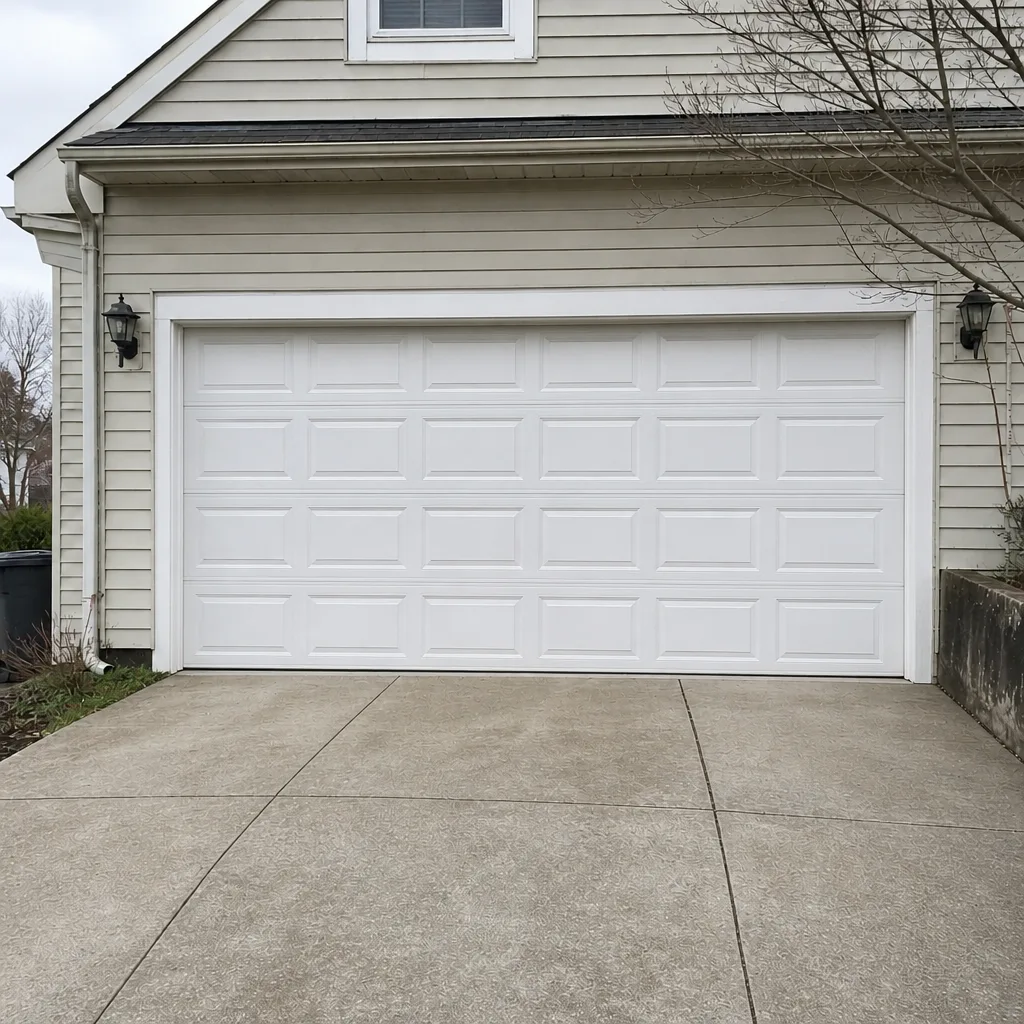 After
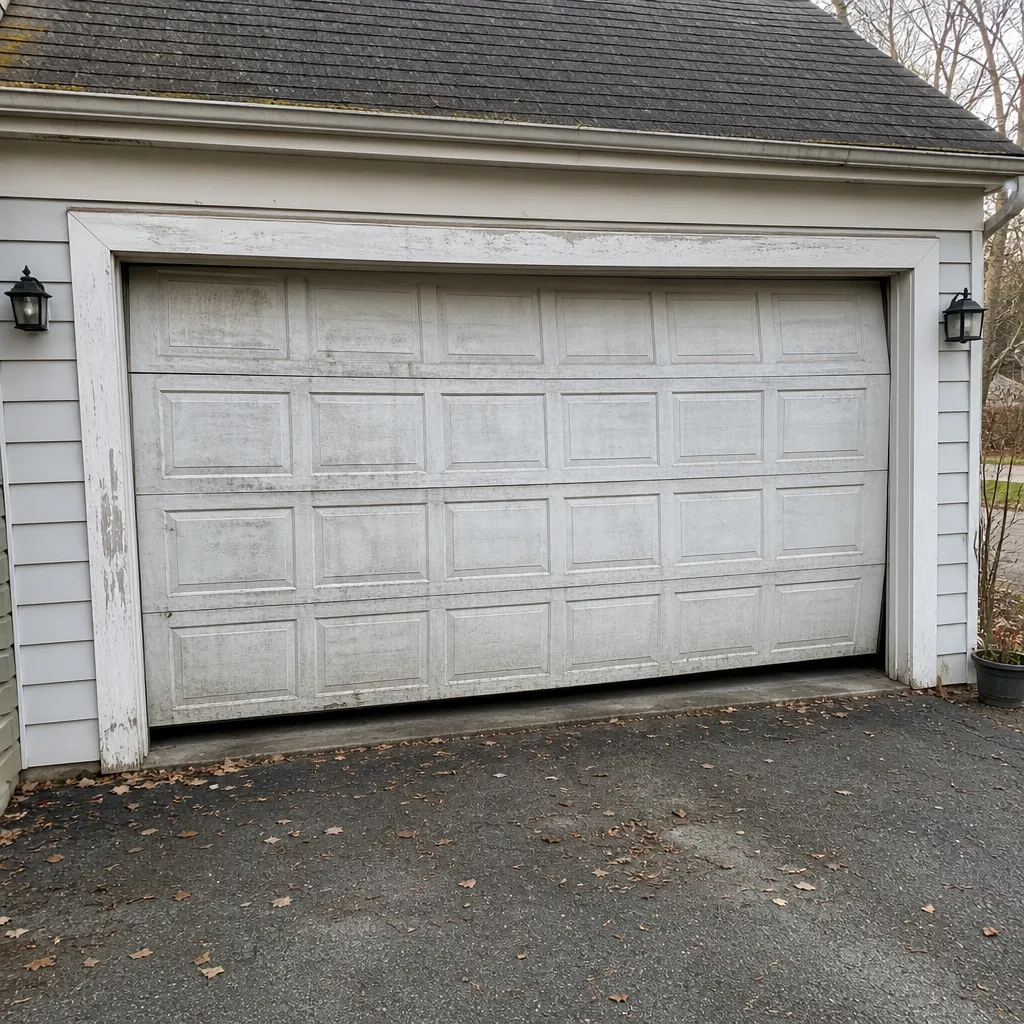 Before
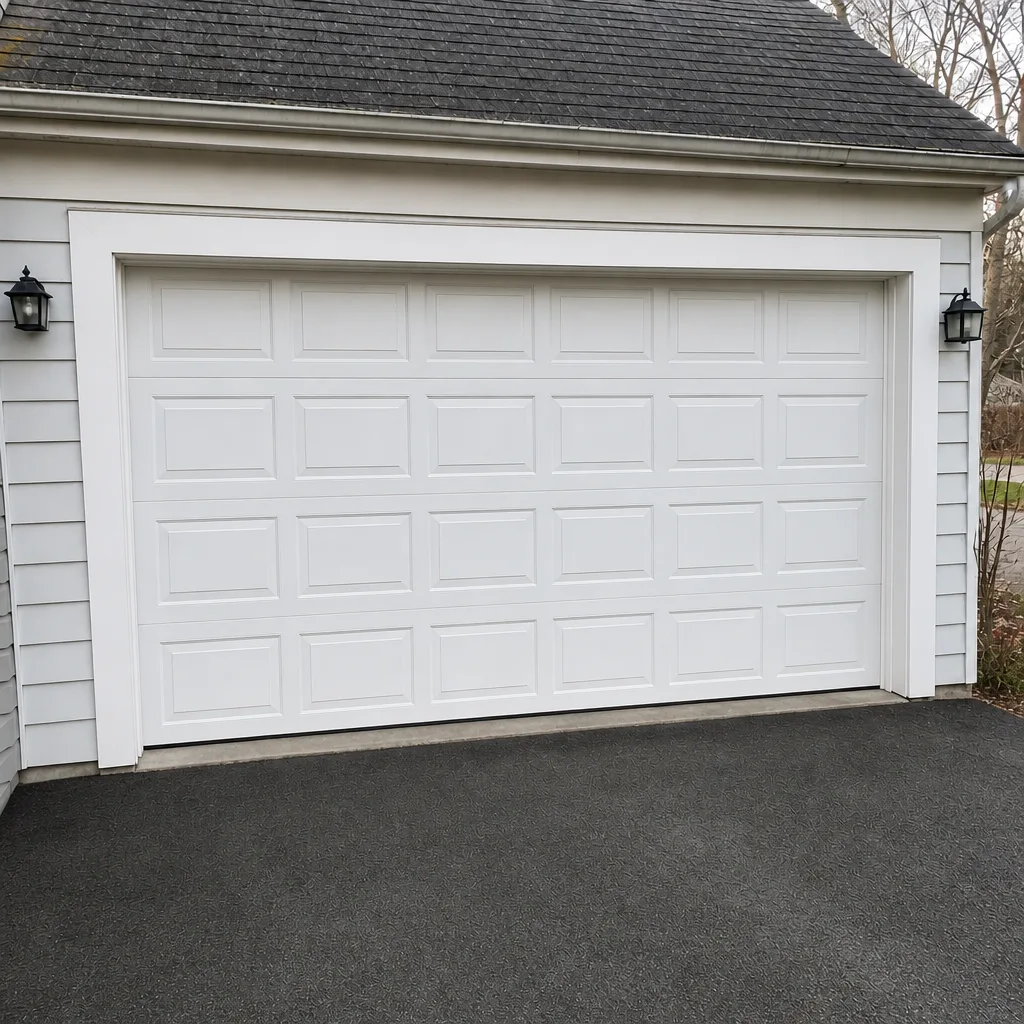 After
When to Call a Professional
Call a professional when the work touches anything structural or electrical, when you’re in a historic district or flood zone, or when you’re not sure whether your project falls into one of those categories. Garage doors look simple from the outside, and they’re not – springs are under extreme tension, openers are wired into home electrical, and header work is structural load-bearing. Those are not DIY categories, and the consequences of getting them wrong range from a door that won’t balance to an injury to an unpermitted home improvement that surfaces during a sale. Ellicott City Garage Door Repair offers free estimates in Ellicott City – call (877) 361-6822 to schedule one and get a straight read on what your project involves.
Frequently Asked Questions
Usually not. A like-for-like replacement of an existing garage door with one of the same size, in the same opening, doesn’t require a building permit in Howard County. You do need a permit when the work touches structural framing – modifying the header, widening the opening – or when a new electrical circuit is added. Call (877) 361-6822 if you want help determining which category your project falls into – estimates are free.
It depends on the circuit. Replacing an existing opener with a similar unit on the same circuit usually doesn’t require a permit. Installing a new opener where there wasn’t one, or upgrading to a higher-draw unit that needs new wiring, typically does. Our garage door opener repair technicians can tell you which situation applies during a free estimate.
Exterior changes to garage doors in the historic district generally go through design review under the Maryland Historical Trust process. Door style, material, and color are all reviewed for consistency with the district’s character. Certain carriage-style and traditional raised-panel styles are typically pre-approved. Confirm with the reviewing body before ordering a door – call (877) 361-6822 if you’d like to talk through which styles tend to clear review.
It might. Properties in mapped FEMA flood zones, particularly AE zones, may require garage openings with flood vents or breakaway panels that let water pass through during a flood. Not every door is designed with breakaway panels, so door selection is affected before installation. Verify your property’s flood zone status with the county or FEMA first. Call (877) 361-6822 with any questions about how flood zone status affects your door choices.
Pull the permit history from Howard County’s building department for your address. If there’s no record of a permit for structural or electrical work that was clearly done, the work may be unpermitted. That’s worth resolving before a sale – call (877) 361-6822 and we can discuss what a typical remediation involves.
A safety inspection isn’t required by Howard County, but it’s worth doing on any door that hasn’t been serviced in years. It covers springs, cables, balance, track condition, opener function, and safety sensor alignment. That’s the level of check that catches a failing spring before it fails. Call (877) 361-6822 to schedule one – estimates are free.
The Bottom Line
Garage door replacement in Ellicott City is usually a permit-free, straightforward job – but the exceptions matter. Structural header work, opening changes, and new electrical circuits all trigger a Howard County permit. Old Ellicott City’s historic district adds design review on top, and properties near the Patapsco may fall under flood zone rules that affect door selection. The through-line is simple: verify before you install, and don’t assume unpermitted work won’t surface later. If you’d like a straight read on your own project, Ellicott City Garage Door Repair offers free estimates – call (877) 361-6822. Our technicians have up to 8 years of experience with Clopay, Amarr, Wayne Dalton, Craftsman, and the rest of the brands already in Ellicott City garages.
Written by the team at Ellicott City Garage Door Repair.