Last updated November 21, 2026
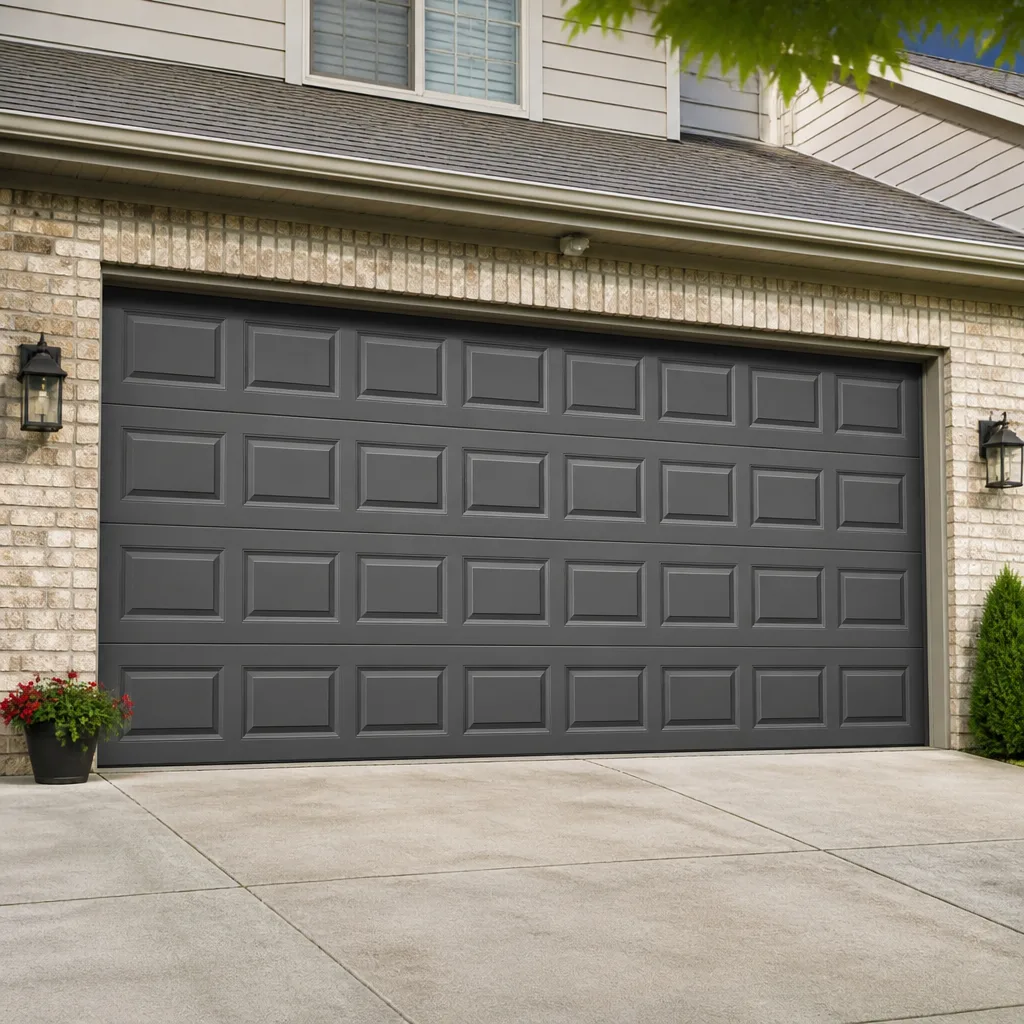 Raised-panel steel
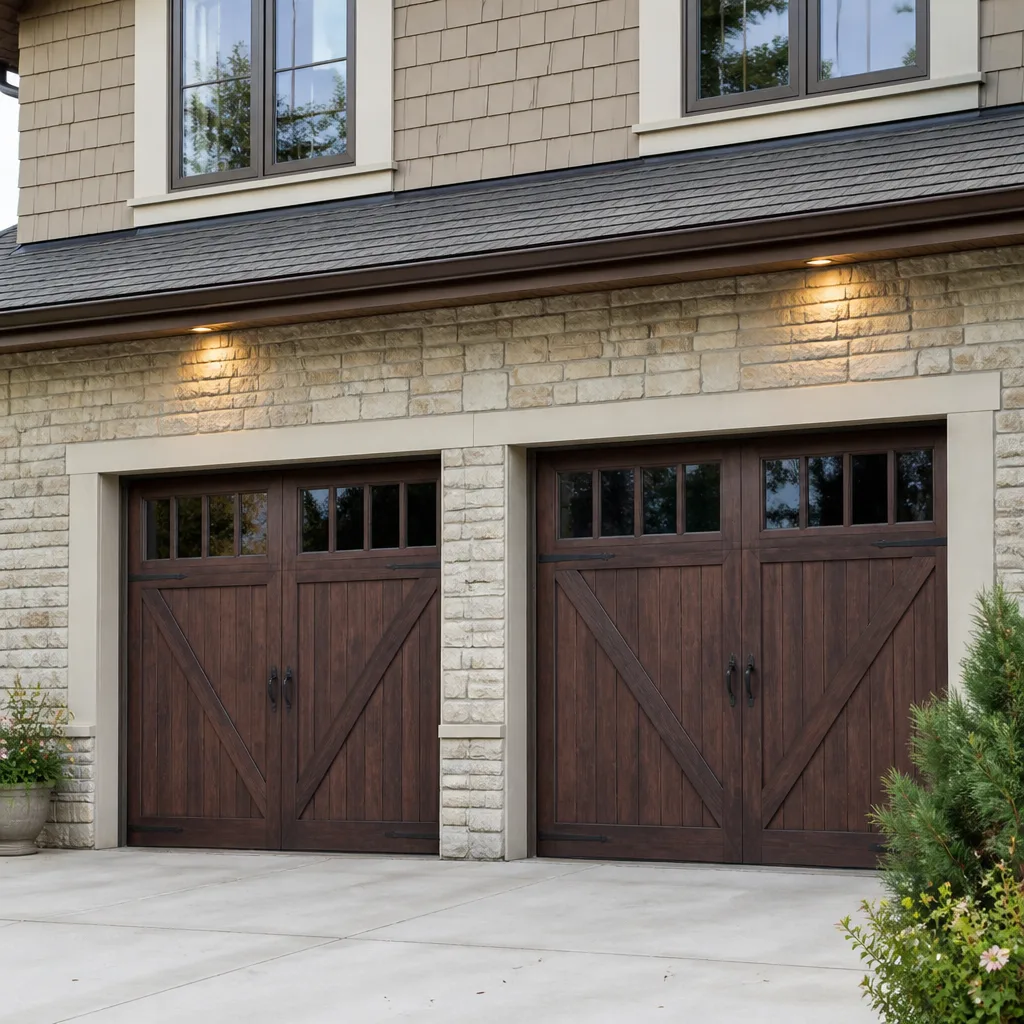 Carriage house
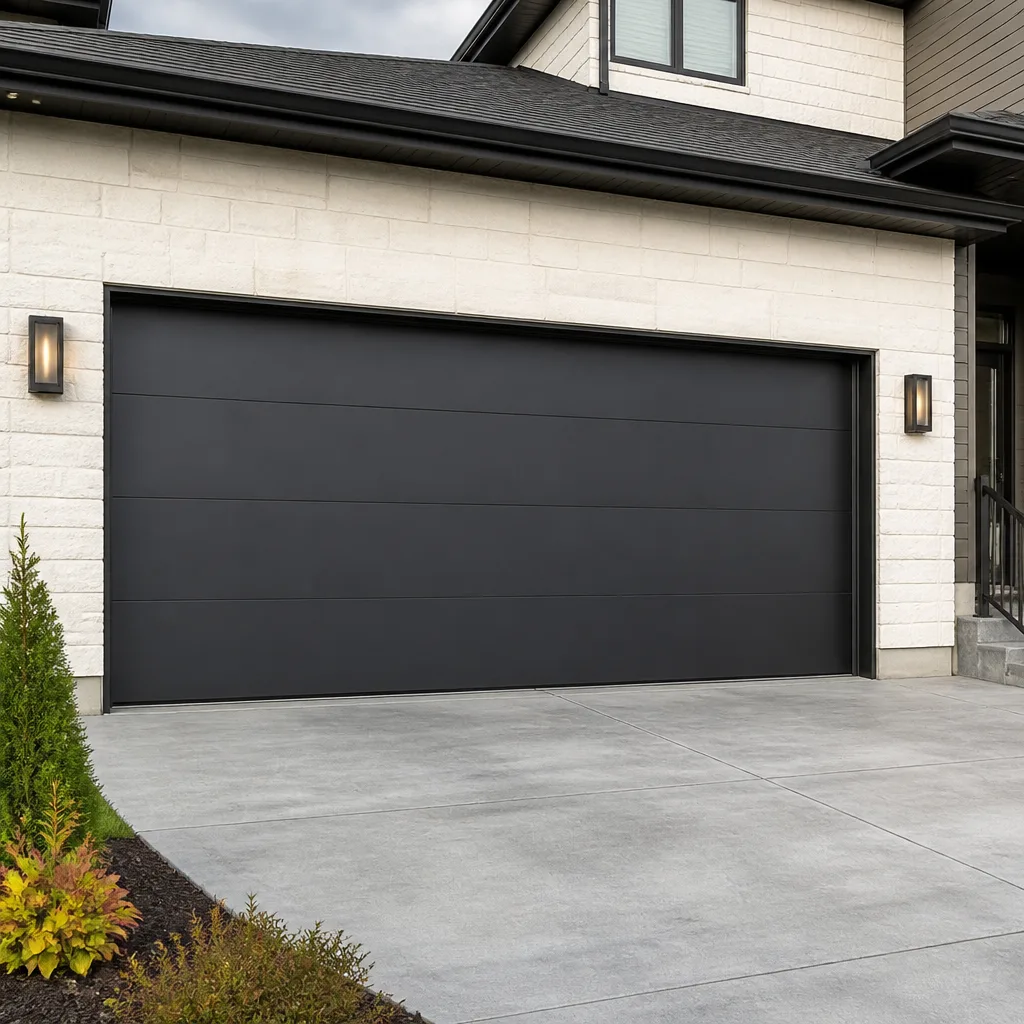 Modern flush
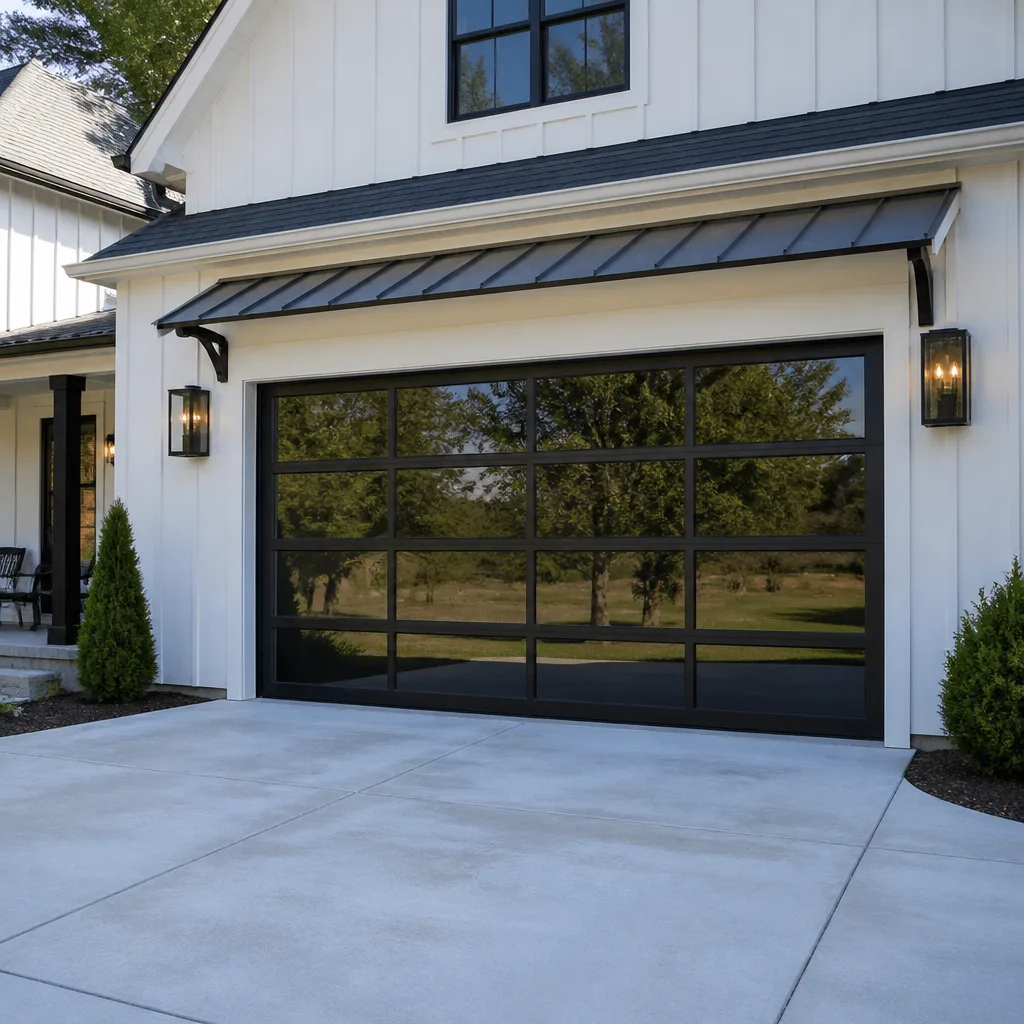 Full-view glass
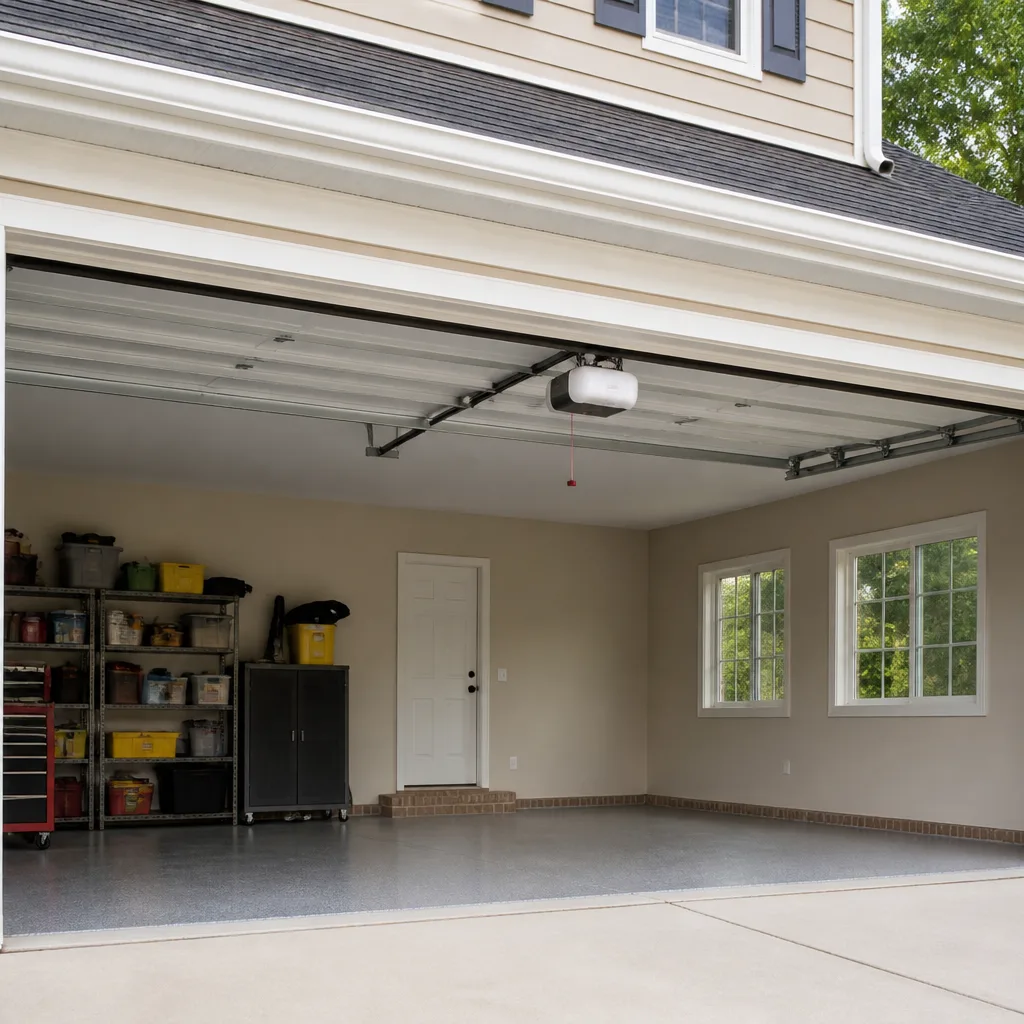 LiftMaster openers
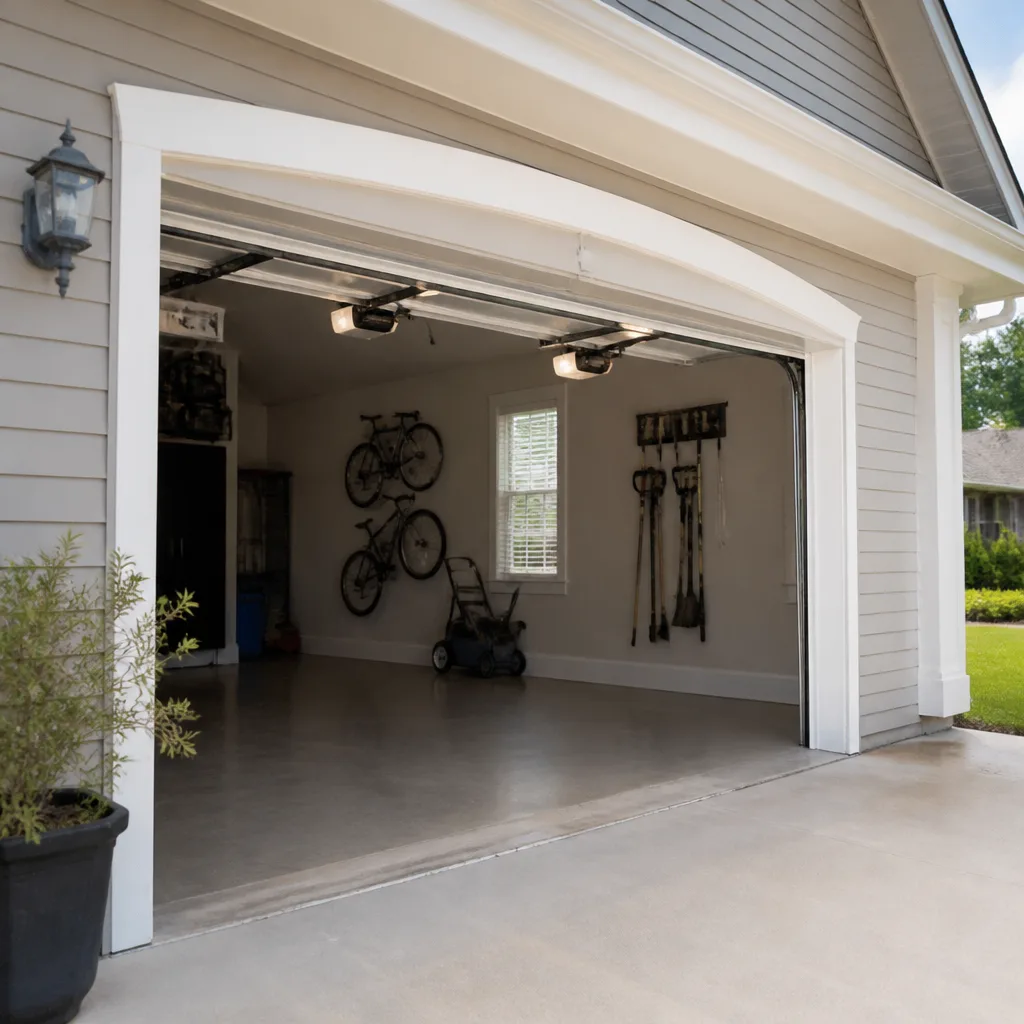 Chamberlain openers
Full 25-point door and opener safety check with every visit - springs, cables, rollers, tracks, and your LiftMaster or Chamberlain opener included
You get a price before we start. It does not change when the pro arrives.
Get your free estimateGarage Door Repair Maintenance Checklist for Ellicott City Homeowners
Every garage door maintenance list says “lubricate the tracks.” Almost none of them tell you that the wrong lubricant, including WD-40, which homeowners reach for instinctively, can accelerate wear on nylon rollers and, on some opener systems, create a mess that invites premature parts replacement. That single detail separates a checklist that protects your door from one that quietly wears it out. In this Ellicott City guide, we’re going to walk through each component the way a technician actually evaluates it: what a worn torsion spring looks like before it snaps, how many frayed strands on a cable should stop you cold, how much roller wobble is normal, and which lubricant belongs on which part. You’ll also get the checks you can safely do yourself, the ones you shouldn’t touch, and why fall prep matters more here than a spring inspection.
Quick Answer
A garage door maintenance checklist for Ellicott City homeowners should cover seven components: springs, cables, rollers, tracks, hinges, the opener and its safety reverse, and the door’s balance and weather seal. Check the door monthly with a visual walk-around and a balance test, lubricate moving parts twice a year with the correct product for each part, and schedule a professional inspection before the first freeze each fall. Anything involving torsion springs, cables under tension, or the opener’s high-voltage wiring belongs to a trained technician, no matter how handy you are.
Styles & brands we work with
- Raised-panel steel
- Carriage house
- Modern flush
- Full-view glass
- LiftMaster openers
- Chamberlain openers
Table of Contents
- Why Fall Prep Beats Spring Checks in Ellicott City
- Torsion Springs: What Failure Looks Like Before It Happens
- Cables and Rollers: Measurable Wear Indicators
- The Right Lubricant for Each Component (and What to Never Use)
- The Balance Test and Force Test You Can Do Yourself
- Opener and Safety Reverse Checks
- DIY-Safe vs. Technician-Only Checklist Items
- Common Mistakes to Avoid
- When to Call a Professional
Why Fall Prep Beats Spring Checks in Ellicott City
Most national maintenance advice treats spring and fall the same. In Ellicott City, they aren’t. The freeze cycles that roll through Howard County from late November into March are the real stress test for a garage door system, and the prep work you do in October determines whether your door survives them. Metal contracts in cold. Lubricants thicken. A torsion spring that’s been quietly losing tension all summer is far more likely to snap on the first hard freeze than on a mild April morning.
Here’s what that means in practice. Fall maintenance in Ellicott City should happen before the first hard frost, ideally in late September through October. That’s when you want to:
- Re-lubricate every moving part so the lubricant film is fresh before temperatures drop. Cold-thickened grease on a dry hinge adds resistance the opener has to fight.
- Test the door’s balance while the weather is still mild, so any adjustment happens before the door gets stiff and the opener strains.
- Clear the bottom seal and threshold of leaves and debris. Ellicott City’s tree cover drops a lot of material into door tracks in autumn, and a track packed with wet leaves is a track that binds.
- Check the weather seal before the cold sets in. A cracked bottom seal lets in cold air and, once ice forms at the threshold, can freeze the door to the floor.
A spring check still has value, mainly as a “did anything shift over the winter” review, but it’s the secondary inspection. If you only do one thorough pass a year in Ellicott City, make it the fall one. Homeowners in neighborhoods like Dunloggin and Waverly Woods, where mature trees and older housing stock are common, benefit most from a pre-freeze inspection because both the debris load and the age of the door hardware raise the odds of a cold-weather failure.
Torsion Springs: What Failure Looks Like Before It Happens
Springs are the component most checklists mention and least explain. “Inspect springs” tells you nothing. What you actually need to know is what a spring on its way out looks like, sounds like, and measures like, so you can recognize trouble while the door still works. We work on garage door spring repair regularly, and the pattern of failure is consistent.
Visual indicators on a torsion spring
- A visible gap in the coil. Run your eye along the spring’s length. A healthy spring is a continuous, evenly spaced coil. A gap of roughly a quarter inch or more between coils, where the winding has begun to separate, is a warning sign. You don’t need to measure precisely. A gap you can clearly see is a gap worth a technician’s look.
- Rust streaks or dark discoloration. Rust on a torsion spring means moisture has been working at the steel, and a corroded spring loses strength unevenly. In Ellicott City’s humid summers, springs on doors facing the weather can show this within a few seasons.
- A stretched or sagging profile. Compare the spring’s length to how it sat when new, or to the second spring on a two-spring door. An obviously longer, looser-looking spring has lost tension.
- A visible break. If you see a clean separation in the coil, the spring has failed. Stop using the door. The door may still be held by the second spring or by the opener, and operating it in that state puts dangerous load on the remaining parts.
Sound indicators
A spring that’s failing often announces itself. A sharp bang from the garage, even if the door still works afterward, is a classic sign that a spring has snapped. A creaking or popping sound during operation that wasn’t there before is a spring under uneven load. If your door suddenly feels much heavier to lift, or the opener struggles to raise it, spring tension loss is the first thing to suspect.
Springs are under extreme tension and are one of the most dangerous parts of any garage door to touch. We do not recommend adjusting, winding, or replacing them yourself under any circumstances. This is a job for a trained technician, and it’s why spring repair is something we handle in-house rather than farming out. If you suspect a spring problem, call us rather than experimenting.
Cables and Rollers: Measurable Wear Indicators
Cables and rollers wear gradually, which is what makes them easy to ignore until they fail. The good news is that both give you measurable signs, so a careful monthly look catches problems early.
Cables
Lift cables run from the bottom corners of the door up to the drum above. They’re under tension and should be treated with the same caution as springs. Here’s what to look for, without touching them:
- Fraying strands. A cable is made of twisted wire strands. If you can see more than a strand or two broken and sticking out along its length, it’s time for a technician. A single stray strand on an otherwise smooth cable is worth watching. Several broken strands, or any “birdcaging” where the cable separates into a loose spiral, means the cable is failing and the door should not be operated.
- Slack or droop. A cable that hangs loose on one side means tension has been lost, often because a spring has failed or a drum has slipped.
- Rust or kinks. Any kink in the cable is a weak point that will eventually snap. Rust lowers the breaking strength.
Rollers
Rollers ride in the track and are far more forgiving than cables, but they wear out. Check them with the door closed, viewing from the side:
- Wobble tolerance. A healthy roller spins smoothly and sits snugly in the track. If a roller wobbles visibly, or you can rock it side to side more than a small amount, the bearing is worn. Nylon rollers that have gone flat or cracked need replacing.
- Flat spots and chips. A roller with a flat spot thumps and drags with every rotation, which stresses the track and the opener.
- Noise. A grinding or squealing roller is a dry or worn bearing. Lubricating helps a good roller last longer, but a worn one needs replacing.
Rollers are one of the safer parts to inspect, and replacing a visibly worn roller is well within reach of a careful homeowner. Cables are not. When in doubt, call it in. For a full assessment of the door’s mechanical system, our garage door repair service covers cables, rollers, tracks, and the rest of the hardware.
The Right Lubricant for Each Component (and What to Never Use)
This is where most checklists let you down. “Lubricate the door” is vague, and the wrong product does real damage. WD-40, the household default, is a solvent-based penetrant, not a long-term lubricant. It strips existing grease, attracts dust, and leaves nylon rollers and plastic parts worse off than before on some systems. Homeowners reach for it instinctively because it’s in the garage already, and that’s exactly the problem.
Here’s the correct pairing of product to part:
| Component | Correct lubricant | Notes |
|---|---|---|
| Hinges, pivot points | White lithium grease (spray) | A thin, even coat; wipe off excess so it doesn’t collect grit. |
| Rollers (metal) | White lithium grease or silicone spray | A light application on the bearing; don’t drown them. |
| Rollers (nylon) | Silicone spray only, or nothing | Many nylon rollers are designed to run dry. Grease attracts grit that wears the nylon. |
| Torsion springs | Silicone spray | A light film reduces coil friction. Never apply grease to a spring. |
| Tracks | Nothing at all | Tracks should stay clean and dry. Lubricating them collects dirt, and grease on a track can let rollers slip out of alignment. |
| Weather seal, bottom seal | Silicone spray | Keeps rubber supple and helps prevent freezing to the threshold. |
The “lubricate the tracks” line you see on most lists is wrong for exactly the reason above: tracks are a path, not a bearing. Keep them clean and dry, and lubricate the moving parts that ride in them. A dry silicone spray is your best all-purpose choice for the parts that need something, and white lithium grease is right for metal-on-metal hinge and pivot contact. If your opener is a LiftMaster or Chamberlain unit, or a Genie or Craftsman model, follow what its manual specifies for the rail and chain, since those vary; we’re familiar with the full range of those systems and can point you to the right approach. When a door won’t run at all and you need it addressed now, garage door opener repair is often the real fix.
The Balance Test and Force Test You Can Do Yourself
Two checks belong firmly in every homeowner’s hands because they don’t put you near springs or cables and they tell you a lot about whether your door is healthy. Do both monthly during the operating season.
The balance test
This checks whether the springs are doing their share of the lifting, or whether the opener is compensating for tired springs.
- Close the door fully.
- Pull the manual release cord to disconnect the door from the opener. The door should be disconnected with no one under it and nothing in its path.
- Lift the door by hand to about halfway and let go gently.
- A balanced door stays in place, roughly where you left it. A door that sinks to the floor has lost spring tension. A door that rises on its own has too much tension or a binding problem.
- If the door drops or rises noticeably, reconnect the opener and have a technician adjust it. Don’t use the door with the opener attached if it’s badly out of balance; the opener isn’t built to lift the door’s full weight.
The force resistance test
This is really the opener’s safety reverse test, but it’s a door check too. With the door on the opener and the door closed, hold a small object (a rolled-up towel or a block of wood) at the floor under the door and command it to close. The door should reverse on contact with the object. If it doesn’t, the opener’s force setting is too high and needs adjusting before something gets trapped. On newer LiftMaster and Chamberlain openers this is often tied to the safety eye sensors at the floor, so check that both are aligned and the indicator light is steady. This is one of the few opener adjustments a homeowner can safely make; if it doesn’t fix the problem, call us.
Opener and Safety Reverse Checks
The opener gets blamed for a lot of problems that are actually the door’s mechanical parts fighting back. Before you assume the motor is failing, check the door’s balance. If the door is balanced and the opener still struggles, the opener itself needs attention. Here’s the annual and monthly checklist for the opener:
- Safety reverse, monthly. The block test above. If the door won’t reverse on contact, stop using it and get it fixed.
- Safety eyes, monthly. The two small sensors at the base of the track should have a steady light (not blinking) facing each other. Wipe the lenses. A misaligned or dirty eye is the single most common cause of an opener that “won’t close,” and it’s a five-minute fix.
- Chain or belt tension, twice a year. A chain with more than about a half inch of slack (or per the manual’s spec) needs attention. A slack chain slaps and wears the rail. Belts are quieter and rarely need adjustment.
- Battery backup. If your opener has one, test it twice a year by killing the breaker and seeing if the door still runs. Ellicott City storms can take power out mid-day, and a dead backup leaves you locked out.
- Force and travel limits. The up and down travel should stop exactly at the floor and at full height. If the door reverses before the floor or slams, the limits need adjusting, and that’s often a technician job.
Modern openers, especially the smart connected ones from LiftMaster, Chamberlain, and Genie, do more than open and close: they log force faults, report when a safety eye is blocked, and can tell you when the door’s balance is drifting. If your opener app is throwing notifications you don’t understand, that’s a good reason to have a specialist look. Opener repair is its own specialty, and we treat it that way.
DIY-Safe vs. Technician-Only Checklist Items
Being honest about which items are safe for a homeowner and which are not is the most useful thing any maintenance guide can do. Here’s the split, based on what we actually see fail and what the repair takes.
Genuinely DIY-safe
- Visual inspection of springs, cables, rollers, and tracks (looking, not touching).
- Lubricating hinges and pivot points with white lithium grease.
- Cleaning tracks with a dry rag.
- Running the balance test and force reverse test.
- Wiping and aligning safety eye lenses.
- Replacing a worn nylon roller.
- Cleaning the bottom seal and threshold.
- Replacing a cracked bottom weather seal.
Technician-only, regardless of skill
- Anything involving torsion springs. Winding or unwinding a spring is where severe injuries happen. This is not a “be careful” job; it’s a trained-technician job.
- Cables under tension. Replacing a cable means releasing and re-setting spring tension and getting the drum wraps right. A mistake here is dangerous.
- Track realignment. Bending a track back is more art than science, and a bent track that’s been forced will bind the door.
- Opener motor or gear replacement. This involves high-voltage wiring and setting the force and travel limits correctly.
- Panel replacement. Panels must match the door’s rating and spring tension; a heavier panel with the old springs is a door that won’t balance.
Most of the door’s weight is carried by the springs and cables, and most of the danger lives there too. A homeowner who does the inspection, lubrication, and seal work is way ahead of the curve. Leave the parts under tension to a technician. When a spring or cable needs work, our Ellicott City Garage Door Repair service is set up to handle it in-house.
Common Mistakes to Avoid
- Greasing the tracks. It’s in almost every checklist, and it’s wrong. Tracks should be clean and dry; grease collects grit and can send rollers out of alignment. Wipe them instead.
- Using WD-40 as lubricant. It’s a penetrant, not a long-term lubricant, and it strips existing grease and attracts dust. Use white lithium grease for hinges and silicone spray for springs and seals.
- Ignoring a gap or stretch in a torsion spring. A visible gap in the coil is the door telling you it’s on borrowed time. A snapped spring can damage the opener, the door, and anything or anyone beneath it. It’s a safety issue, not just an inconvenience.
- Skipping the balance test. A door that’s out of balance makes the opener do the lifting, and the opener will lose that fight. Monthly balance tests catch spring tension loss before the motor pays for it.
- Bumping the force setting up to fix a struggling door. Raising the force makes the door close but disables the safety reverse, which is the feature that protects a child or pet. Fix the balance; don’t crank the force.
- Doing a spring check in spring instead of fall. In Ellicott City, cold snaps cause spring failures. Do the thorough inspection before the first freeze, when you can still fix problems while it’s mild.
- Leaving debris in the track. Ellicott City’s mature trees drop plenty into tracks in fall. Wet leaves and twigs bind the door and stress the opener. A dry rag and a minute of cleaning prevent a lot of trouble.
When to Call a Professional
Call a professional if the door won’t reverse on the block test, if you see a gap or break in a torsion spring or any frayed cable strands, if the door is badly out of balance, or if the opener struggles or struggles to close. Don’t wait on a spring that’s clearly worn, a cable that’s fraying, or an opener that’s been pushing the door up for weeks. If a door fails and it won’t open or close when you need it to, emergency service is available because a stuck door doesn’t wait for a comfortable time to happen. Ellicott City Garage Door Repair offers free estimates in Ellicott City. Call (877) 361-6822 to book an inspection or a repair. Prices are quoted and agreed before any work starts, and you’ll get a written estimate that sets the final price.
See the difference
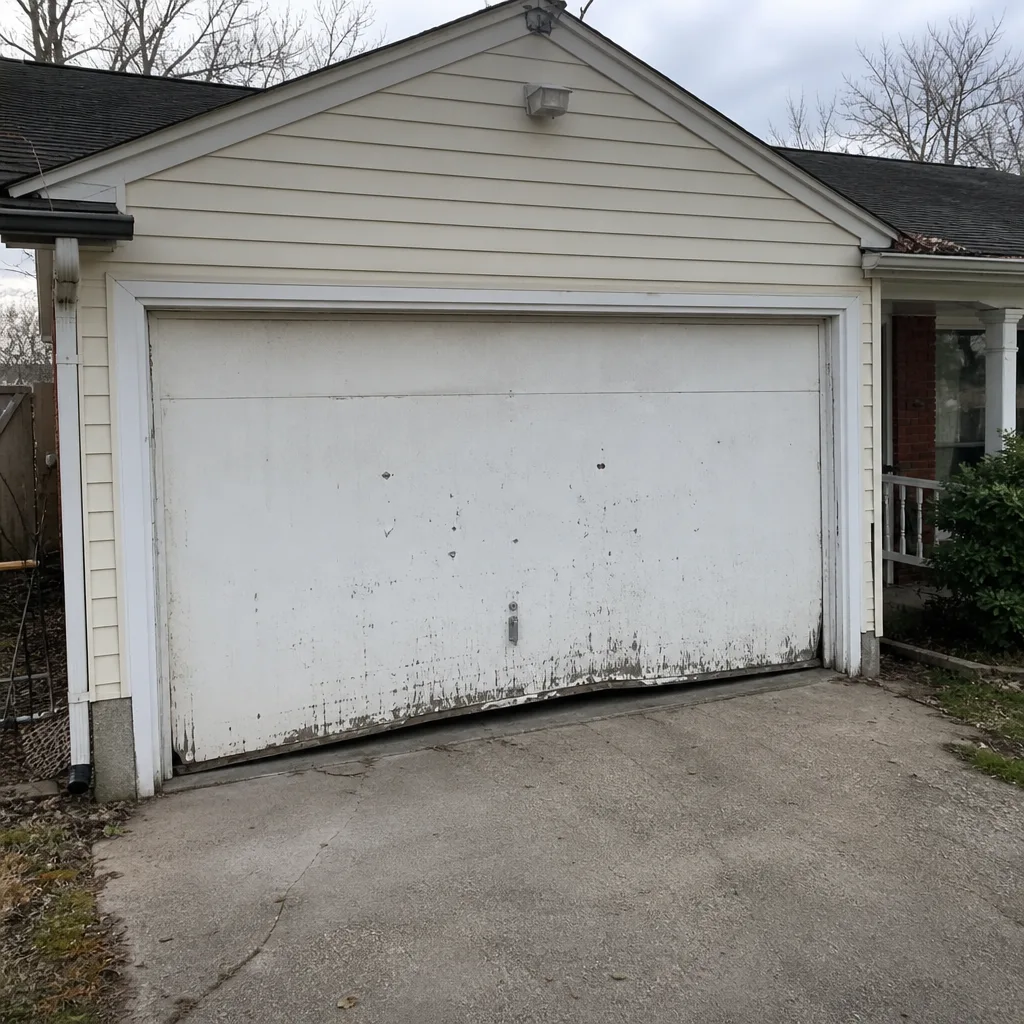 Before
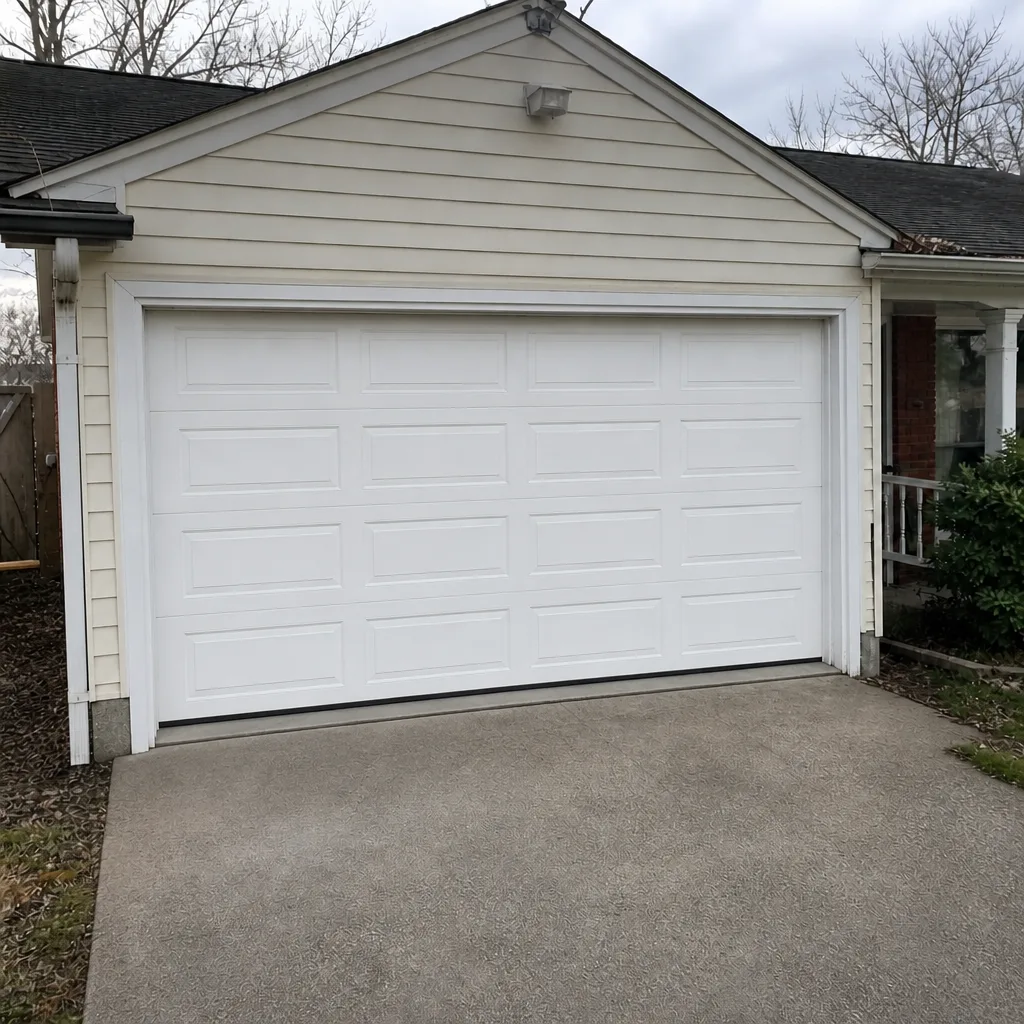 After
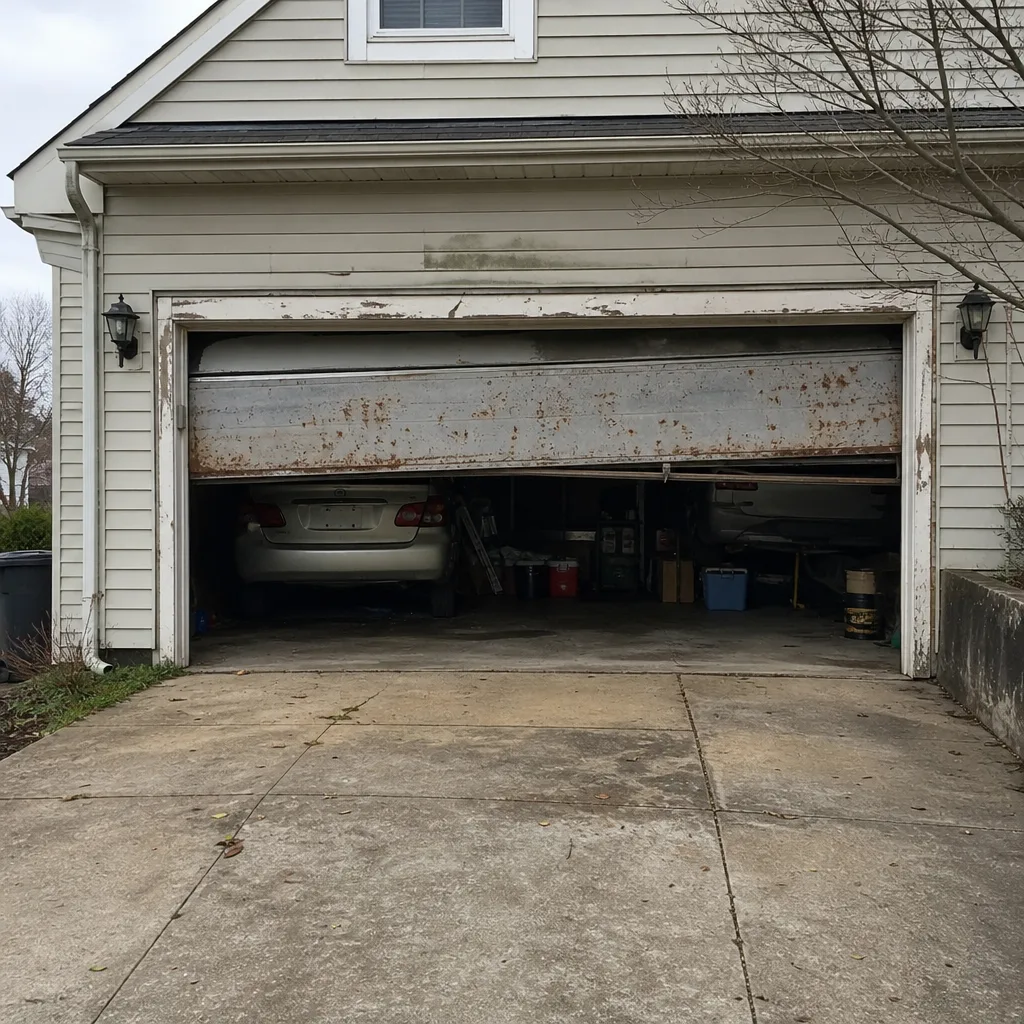 Before
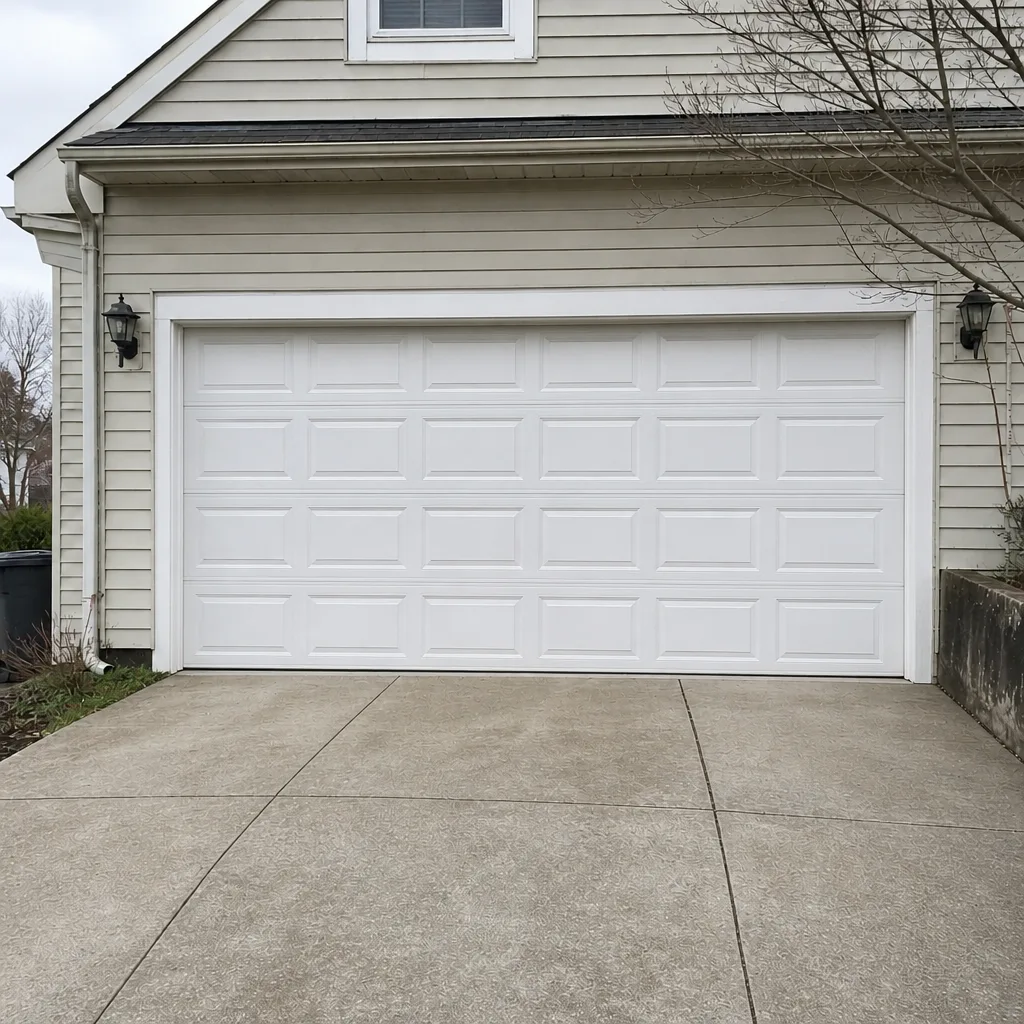 After
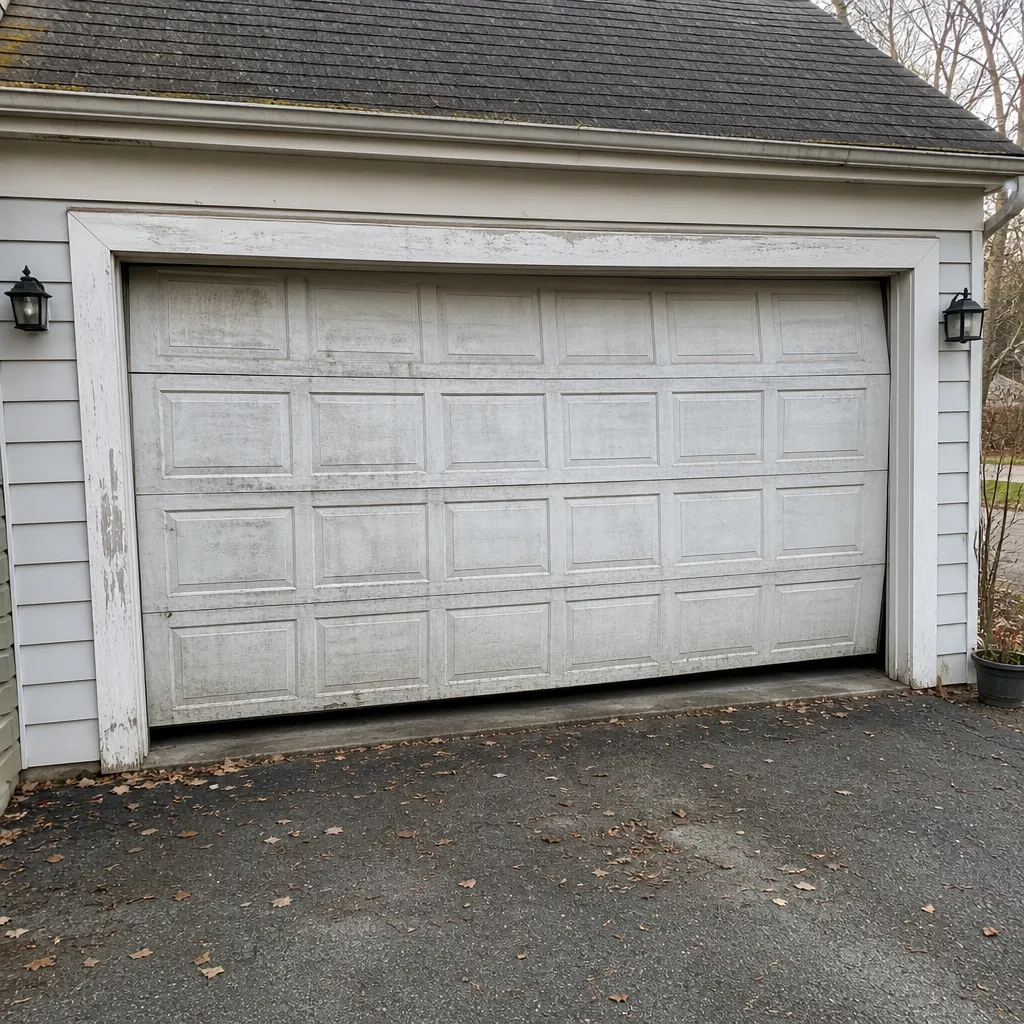 Before
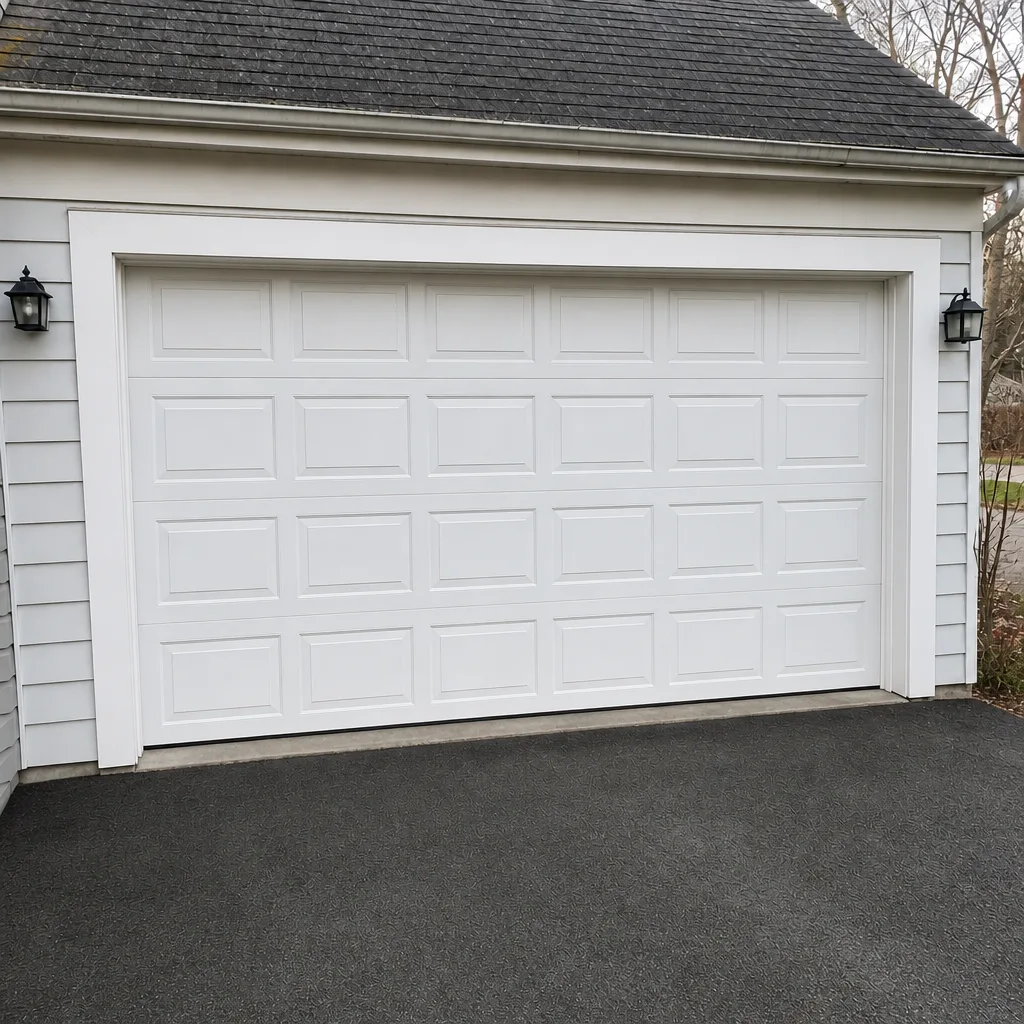 After
Frequently Asked Questions
Do a visual walk-around and the balance test once a month, lubricate the moving parts twice a year, and schedule one thorough professional inspection before the first freeze in late September or October. Ellicott City’s freeze cycles are the main source of cold-weather door failures, so the fall pass is the important one. Call (877) 361-6822 to book a fall inspection; estimates are free.
Look for a visible gap in the coil (roughly a quarter inch or more between windings), rust streaks, a stretched or sagging profile, and any sharp bang from the garage even if the door still works. A gap you can clearly see is a gap worth a technician’s look. Don’t touch the spring yourself; call (877) 361-6822 for an assessment.
No. WD-40 is a solvent-based penetrant, not a long-term lubricant. It strips existing grease and attracts dust, and on nylon rollers and plastic parts it can accelerate wear. Use white lithium grease on metal hinges and silicone spray on springs and seals, and keep tracks clean and dry. For the right approach on your specific door, call (877) 361-6822.
Never adjust or replace torsion springs, work on cables under tension, realign a bent track, or replace an opener motor or gear. The springs and cables carry the door’s weight and are the most dangerous parts. A homeowner can safely inspect, lubricate, clean, and run the balance test. When in doubt, call (877) 361-6822 and we’ll tell you what’s safe.
The written estimate sets the final price, and the price is quoted and agreed before any work starts, so there are no surprises. The cost depends on the component (spring, cable, roller, opener) and the door type. Call (877) 361-6822 for a free estimate on your specific door.
Emergency service is available, so call (877) 361-6822 and we’ll get you scheduled. A door that won’t open or close is usually a spring, cable, or opener problem, and the right fix is the priority. Our technicians have up to 8 years of experience and we work on the brands already in your garage.
The Bottom Line
A useful garage door maintenance checklist tells you what failure looks like, not just what to inspect. In Ellicott City, that means a monthly visual pass, the balance and force tests, correct lubricants (silicone spray and white lithium grease, not WD-40, and nothing on the tracks), and a thorough fall inspection before the Howard County freeze arrives. Do the safe checks yourself and leave the springs, cables, and opener wiring to a technician. If any component looks worn or the door is out of balance, call us. One call covers the full job, from inspection to repair. Ellicott City Garage Door Repair offers free estimates; call (877) 361-6822 today.
Written by the team at Ellicott City Garage Door Repair.