Last updated November 21, 2026
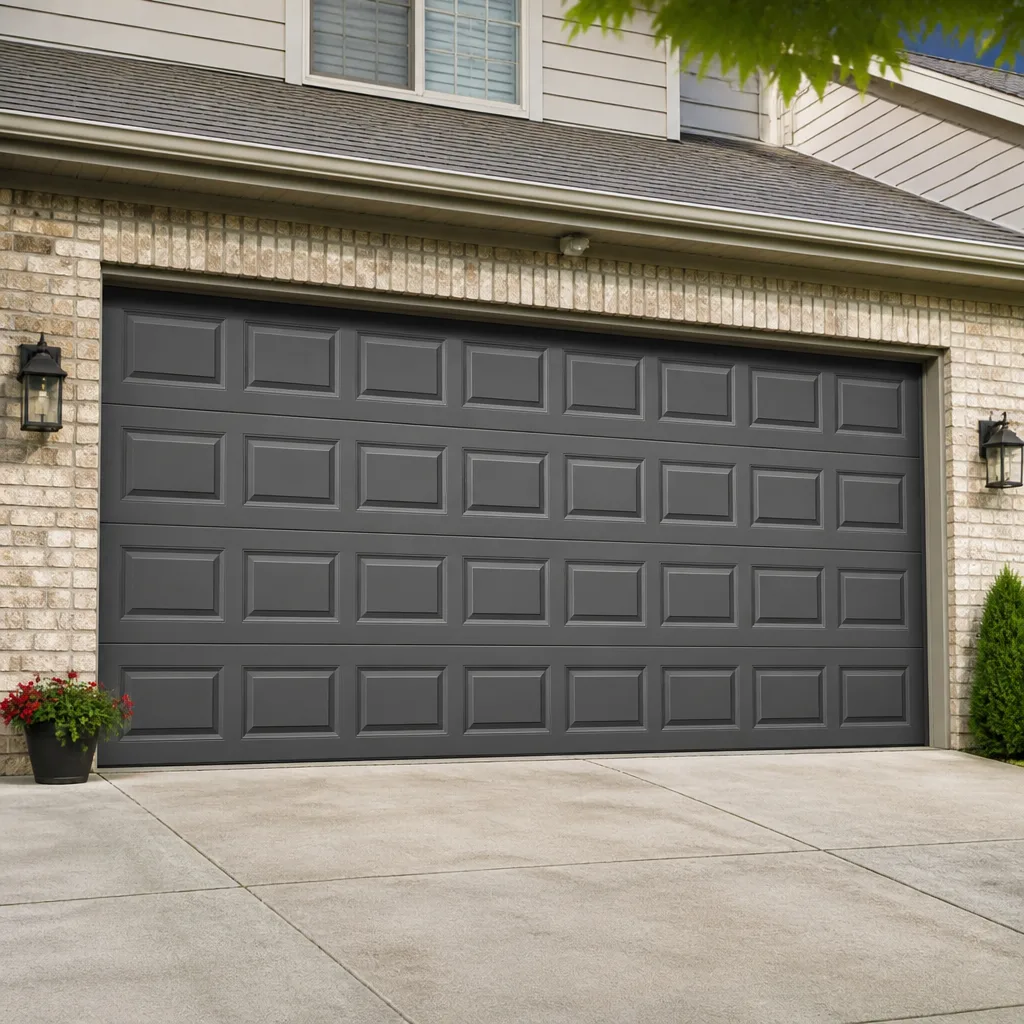 Raised-panel steel
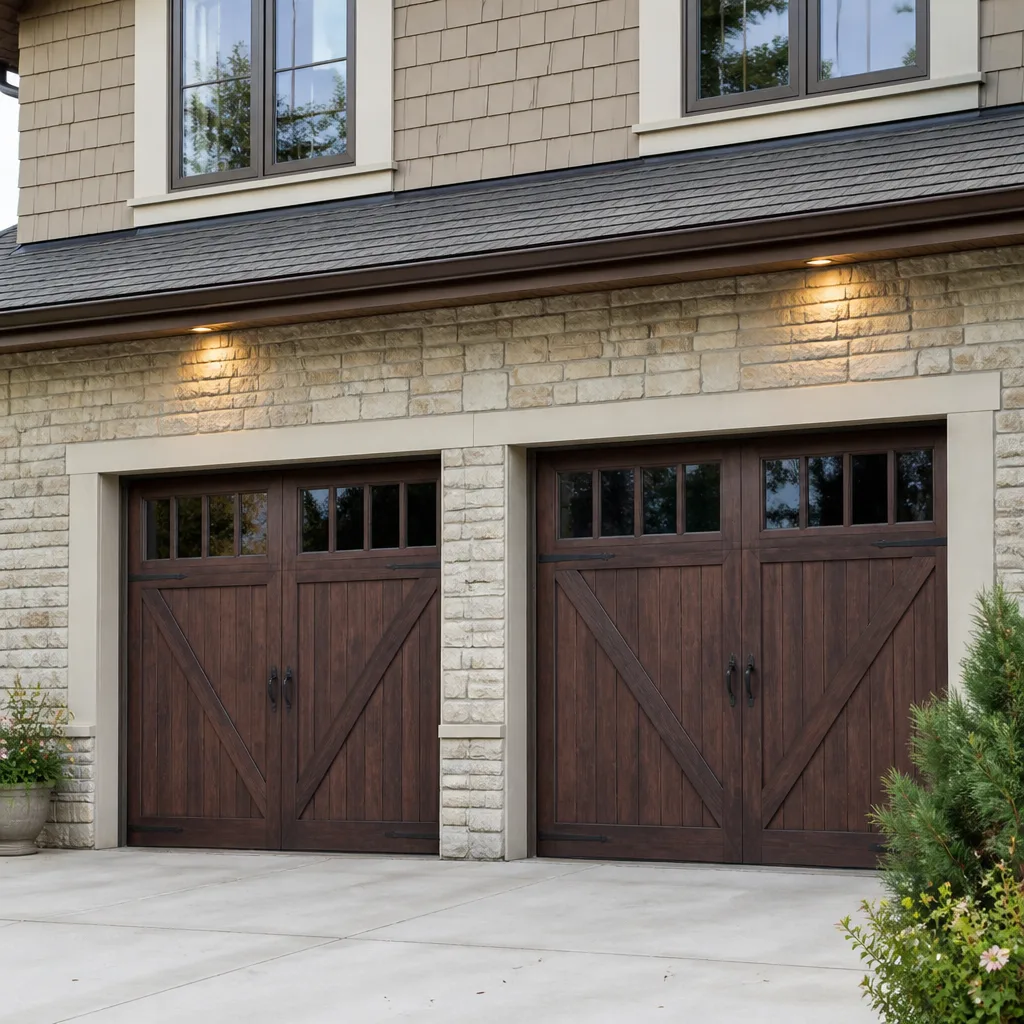 Carriage house
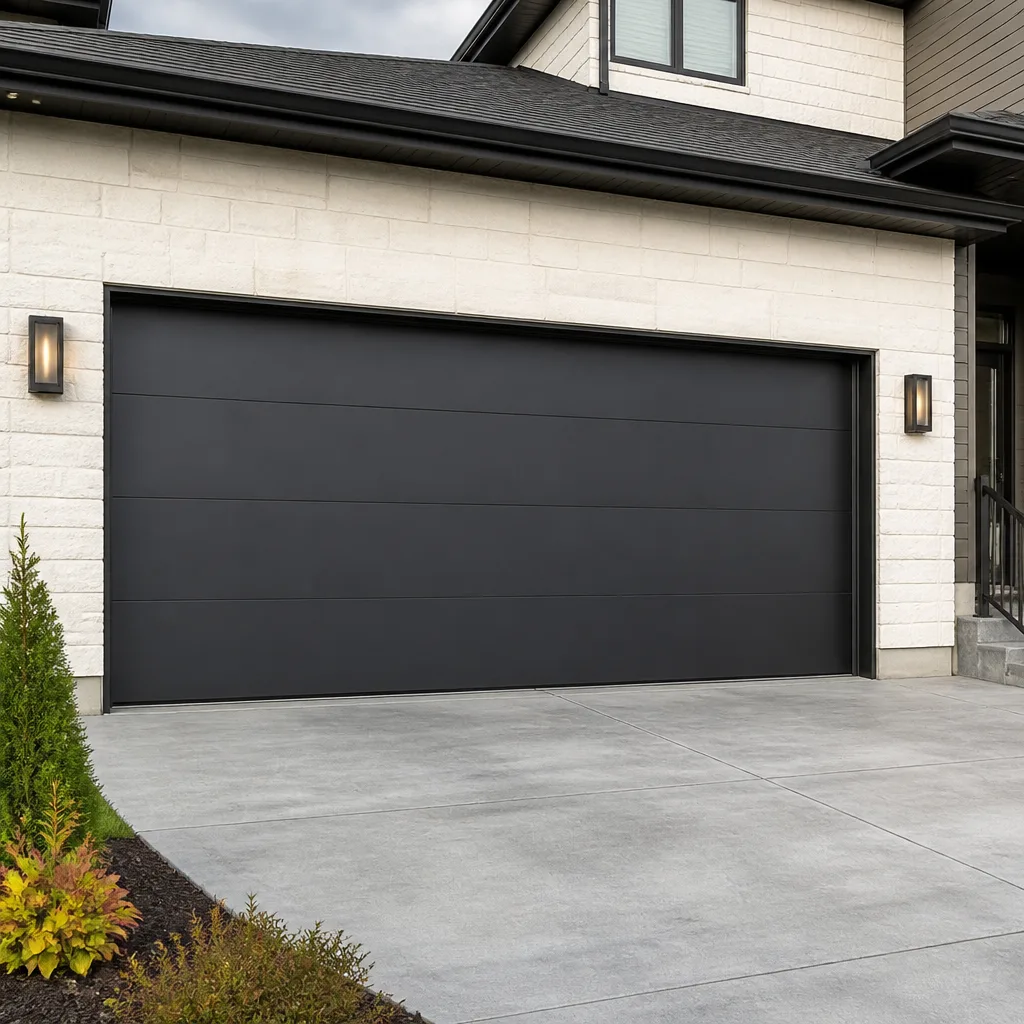 Modern flush
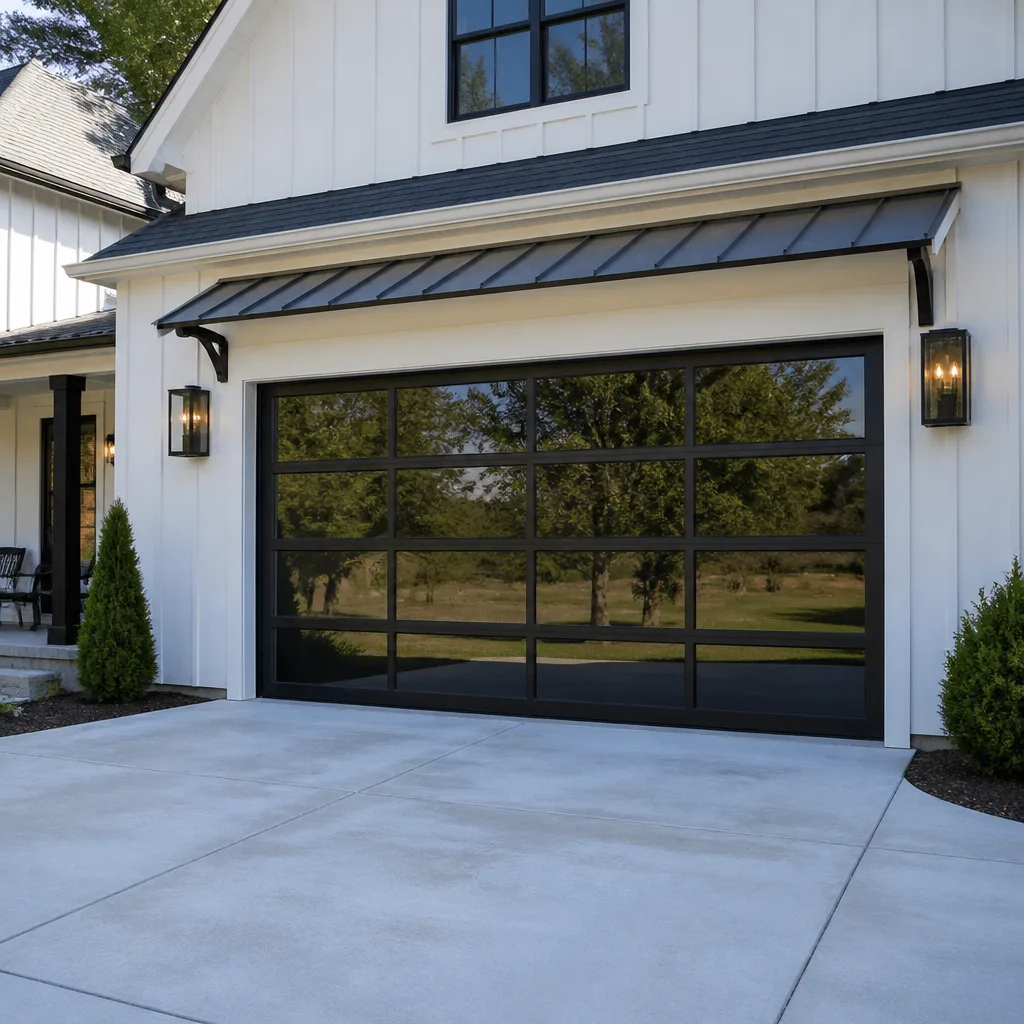 Full-view glass
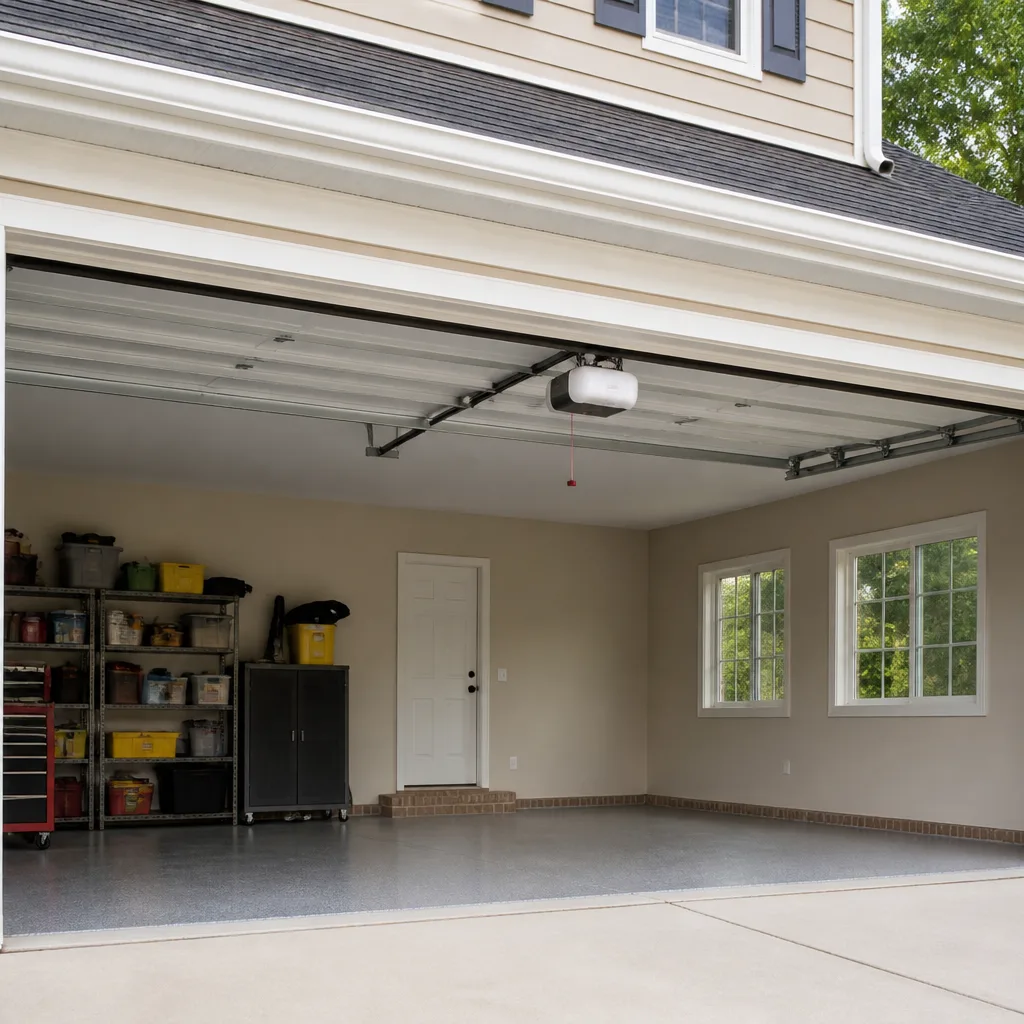 LiftMaster openers
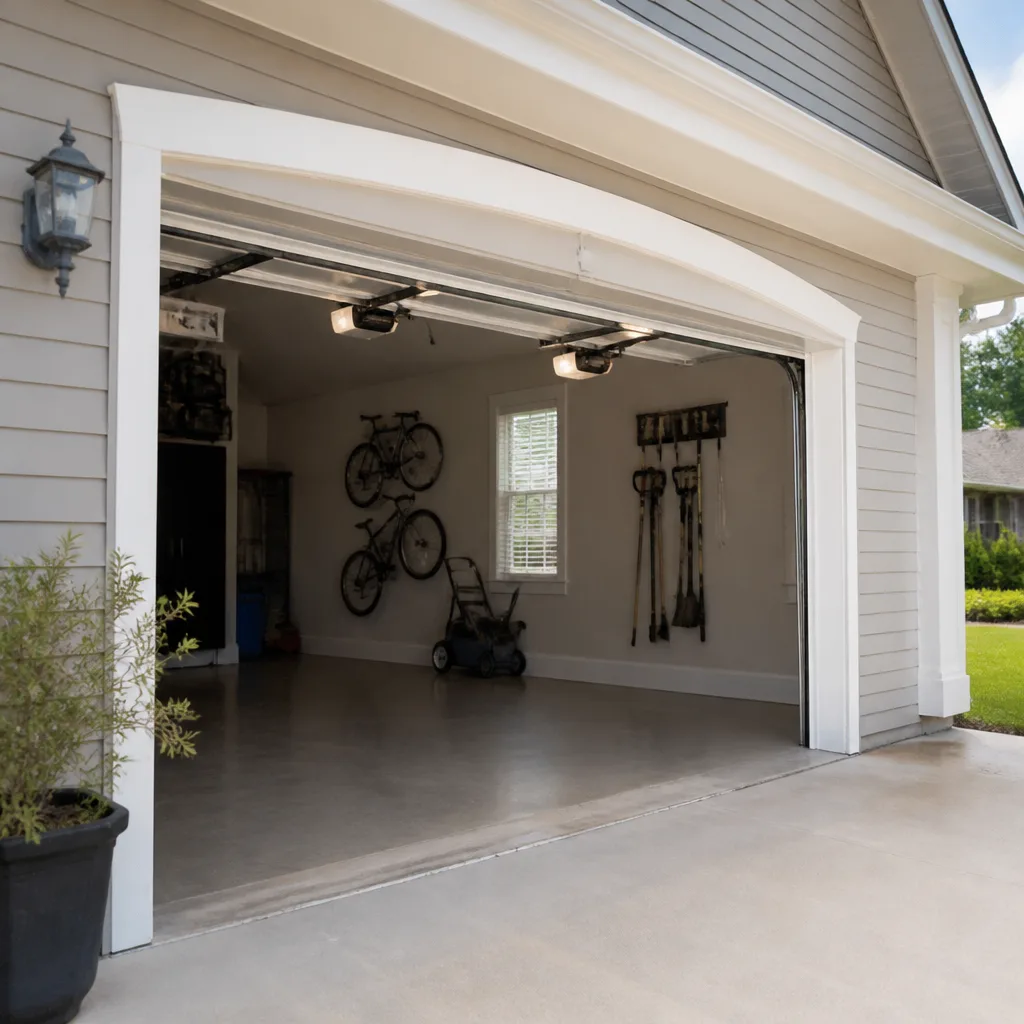 Chamberlain openers
Full 25-point door and opener safety check with every visit - springs, cables, rollers, tracks, and your LiftMaster or Chamberlain opener included
You get a price before we start. It does not change when the pro arrives.
Get your free estimateGarage Door Emergency Preparedness Guide for Ellicott City Homes
The most common garage door emergency in Ellicott City isn’t a snapped spring or a dead opener. It’s a power failure during a flood watch, when the door is the only way to move a car to higher ground and nothing happens when you press the button. Most people have never pulled the manual release cord once. The red cord hangs there for years, unused, and when it finally matters, the handle is stuck, the door is under tension, and nobody in the house knows which way it works. This guide covers the failure modes that actually strand homes in Ellicott City: power loss during a flood evacuation, post-storm debris damage, and freeze-binding in a January cold snap. You’ll learn how to test your release before you need it, what to check before you run a door that’s touched floodwater, and the pre-storm steps that protect the system before the weather turns.
Quick Answer
Garage door emergency preparedness in Ellicott City means three things: knowing how to use your manual release cord correctly, protecting the bottom seal and electrical components before a storm, and knowing when a door that’s been in contact with water should not be operated at all. Practice the release once now, keep the area around the door clear, and call a specialist before running a flooded or frozen door. The right preparation takes minutes and prevents the situation where a vehicle is trapped inside a garage during an evacuation.
Styles & brands we work with
- Raised-panel steel
- Carriage house
- Modern flush
- Full-view glass
- LiftMaster openers
- Chamberlain openers
Table of Contents
- Why Ellicott City Homes Face Specific Garage Door Emergencies
- How Does the Manual Release Cord Work, and How Do You Practice It?
- Power Outage Protocol: Battery Backup vs. Manual Release
- Post-Flood Inspection: What to Check Before You Touch the Opener
- How Do You Safely Free a Frozen Garage Door Bottom Seal?
- Pre-Storm Preparation Checklist for Howard County Severe Weather
- When Is a Garage Door Emergency a Call-a-Specialist Situation?
- Year-Round Readiness: A Simple Maintenance Rhythm
Why Ellicott City Homes Face Specific Garage Door Emergencies
Ellicott City sits where the Patapsco River and its tributary streams meet a steep, built-up historic downtown, and the surrounding neighborhoods on higher ground drain toward those low points. That geography produces a particular set of garage door risks that a generic emergency guide won’t mention. Homes in the valleys and near stream corridors face water intrusion during heavy rain events. Homes on the hillside streets above Main Street face wind-driven debris and fallen limbs from the mature tree canopy. And every home in Howard County faces the same deep winter cold snaps that bind rubber seals to concrete slabs.
Three failure modes come up again and again in Ellicott City:
- Power loss during a flood watch. The opener motor is useless without electricity, and if the manual release has never been tested, a homeowner can’t open the door by hand when they need to move a car.
- Post-storm debris damage. Downed branches and wind-blown material can bend tracks, dent panels, and jam rollers. Running the opener on a misaligned track turns a minor dent into a full replacement.
- Freeze-binding. Overnight ice and snowmelt refreeze under the bottom seal, and the opener strains against a door that’s effectively glued to the slab.
None of these are exotic. They’re predictable, and predictable problems have preparations. That’s the point of this guide. If your door is already stuck, damaged, or refusing to move, our Ellicott City Garage Door Repair service handles emergency calls, and a technician can diagnose the problem on site. But the better outcome is the one where you never need that call because you prepared.
One more local factor worth naming: many Ellicott City homes were built across several decades, and the garage doors and openers installed in them reflect that range. A door with a Genie opener from one era behaves differently under manual release than a newer unit with a Clopay door and a battery-backup opener. Knowing what you actually have in your garage is the first step. The second is understanding how it behaves when the power is out or the door is stuck.
How Does the Manual Release Cord Work, and How Do You Practice It?
The manual release cord is a red handle hanging from the opener’s trolley that disconnects the door from the motor, letting you lift it by hand. When you pull it, the trolley releases from the carriage and the door moves freely. Pulling it is easy. The hard parts are the two things nobody practices: doing it under stress, and re-engaging it afterward.
Here’s how the release works and how to practice it safely:
- Locate the red handle. It hangs from the trolley that rides the rail above the door. If you can’t reach it standing on the floor, don’t climb a ladder. Get a step stool and have someone steady it.
- With the door fully closed, pull the handle straight down and toward the door. You should hear the trolley disengage. The door is now in manual mode.
- Lift the door slowly by hand. A properly balanced door should lift with one hand and stay where you leave it. If it feels heavy or slams down, the springs are out of balance and the door is not safe to operate by hand. Stop.
- Lower the door gently and re-engage. With the door fully closed, pull the release cord again (or flip the lever, depending on the opener) and run the opener a short cycle. The trolley should re-latch to the carriage. If it doesn’t catch, run the opener again until you hear the click.
The most common mistake is testing the release while the door is open. If the door is up and you pull the release, the door can drop. Always disengage with the door fully closed. The second most common mistake is forgetting to re-engage it. A door that’s left in manual mode will slide down the next time someone bumps it, and the opener will run without moving anything.
Practice this once a season. Two minutes of rehearsal with the door closed and the opener unplugged is enough to make the real thing automatic. Our technicians walk homeowners through the release on every service call, including routine garage door repair visits, because knowing your own door matters more than any label on the opener.
Power Outage Protocol: Battery Backup vs. Manual Release
If your opener has battery backup, the door will still operate during an outage, and you don’t need the manual release. If it doesn’t, the manual release is your only option. Knowing which one you have before the lights go out is the whole game.
Here’s how to tell whether your opener has battery backup:
- Look for a battery compartment. Most battery-backup openers have a visible battery door on the motor housing, usually on the side or bottom, with a test button nearby.
- Check the manual or the label. The model number on the opener’s housing will tell you. Cross-reference it against the manufacturer’s documentation. We work with the major brands – LiftMaster, Chamberlain, Genie, Clopay, Amarr, Wayne Dalton, Craftsman, and Raynor – and can identify your opener from the model number if you can’t find the manual.
- Press the test button. Most battery-backup units have a test feature that runs the door on battery power. If the door moves with the opener unplugged, you have backup.
If you do have battery backup, test it now. A battery that’s sat unused for years may not hold a charge. Replace it before storm season, not during.
If you don’t have backup, the manual release is your plan. Pull it with the door fully closed, lift the door by hand, and move the car. This is where a door that’s out of balance becomes a real problem: a door that’s heavy by hand in good weather is impossible to lift in an emergency. Have a technician check the balance and spring tension before you rely on manual operation. Our garage door spring repair service addresses the exact issue – a door that won’t hold itself up by hand – and it’s a safety issue, not just an inconvenience. If your opener needs attention, garage door opener repair covers everything from battery backup installation to motor and logic board replacement.
One rule that matters more than any other: never operate a door that’s been in contact with floodwater until an electrician or a qualified technician has checked the opener and its power supply. Water and electricity don’t mix, and a damp opener motor is a shock hazard. The manual release is the correct tool when the door itself is dry but the power is out. It is not the tool when the opener and its wiring have been submerged or sprayed.
Post-Flood Inspection: What to Check Before You Touch the Opener
If water reached your garage, the door itself may be the least of your concerns, but it’s the first thing you’ll be tempted to operate. Don’t. Before you press the opener button or lift the door, check these priorities in order:
- Electrical components first. The opener motor, the outlet it’s plugged into, the wall switch, and any low-voltage wiring near the floor should all be checked before power is restored. If any of them were submerged or sprayed, leave the power off and call a technician or electrician.
- Bottom section integrity. The bottom panel is the first to soak. Wood panels swell, steel panels rust from the inside out, and insulated panels can trap water for days. If the bottom section is warped or waterlogged, the door is out of balance and shouldn’t be operated.
- Track alignment. Floodwater carries debris. Check that the vertical tracks are clear and that the horizontal tracks haven’t been bent by floating objects or shifted by saturated ground. A bent track will bind the rollers.
- Springs and cables. These are under extreme tension. Never touch them, never try to wipe them down, never attempt to adjust a cable clamrelease. If they look damaged, that’s a stop-work condition.
- Bottom seal and threshold. The rubber seal can trap water and grit. Clean it only after the door is dry, and only with the door fully closed and the opener unplugged.
Springs, cables, and the torsion assembly are the most dangerous components on any garage door. They’re under enough tension to cause serious injury, and a door that’s been through a flood can have weakened hardware that looks fine. In our experience, the safest course after any water contact is to leave the door alone and have it inspected. Ellicott City’s stream-corridor neighborhoods have seen this pattern before, and the homeowners who fared best were the ones who waited for a professional before running the door.
If the door itself was never touched but the opener was, the same rule applies. Anything electrical that’s been wet needs to be checked before it’s energized. That’s a safety call, not a sales call, and any honest technician will tell you the same.
How Do You Safely Free a Frozen Garage Door Bottom Seal?
A frozen bottom seal is a door that’s glued to the slab. The rubber seal contacts the concrete every time the door closes, and any snowmelt or overnight rain that pools under it refreezes, bonding the two surfaces. Pressing the opener button makes the motor strain, the door stays put, and eventually something gives – usually the opener’s gear or the door’s balance.
The safe way to deal with freeze-binding:
- Don’t run the opener repeatedly. One attempt that doesn’t move the door is enough. Continuing to press the button strains the motor and the drive mechanism.
- Use the manual release. With the door closed, pull the release cord so the door is in manual mode. This protects the opener.
- Free the seal gently. A plastic scraper or a putty knife, worked along the bottom edge with light pressure, breaks the ice bond without tearing the rubber. Warm water applied to the seal, not the hardware, can help – but keep it off the springs, cables, and hinges.
- Lift the door by hand once the seal is free. If it lifts smoothly, re-engage the opener and run a normal cycle.
What not to do: never pour hot water directly on the springs, cables, or hinges. The sudden temperature change can warp metal and wash lubricant out of the moving parts. Never use a hammer or a pry bar on the door or the seal. And never force the door up with the opener while it’s frozen. The door’s own weight is fighting the ice, and the opener is the weakest link in that fight.
Prevention is easier than the cure. A silicone-based lubricant on the bottom seal in late fall reduces sticking. Keeping the area under the door clear of snow and ice helps. And if freeze-binding happens every winter, the seal is probably worn and due for replacement. We can check the seal and the door’s balance during a service visit.
Pre-Storm Preparation Checklist for Howard County Severe Weather
Severe weather in Howard County usually gives some warning. A flood watch, a winter storm warning, a high-wind advisory – each one is a window to prepare. The steps below take under an hour and cover the garage door failures most likely to strand a household.
Before the storm:
- Clear the area in front of the door. Anything that can float – trash cans, garden tools, loose shelving – should be moved away from the door and off the floor.
- Test the manual release. With the door fully closed, disengage the door, lift it by hand, lower it, and re-engage. This confirms the release works and that the door is balanced enough to lift in an emergency.
- Check the battery backup. If your opener has one, test it. If it doesn’t, decide now whether you’ll rely on the manual release during an outage.
- Inspect the bottom seal. A worn or torn seal lets water in under the door. If it’s due for replacement, do it before the storm, not after.
- Disconnect what shouldn’t get wet. If flooding is likely, unplug the opener and any floor-level electronics. The door still works manually.
- Move vehicles to higher ground early. If the forecast calls for flash flooding, don’t wait for the water to reach the garage before you move the car.
After the storm:
- Visually inspect the tracks, panels, and bottom seal before operating the door.
- Check for debris in the tracks and clear it by hand.
- Don’t run the opener if the door or its electrical components were wet.
- Look for bent tracks, misaligned rollers, or a door that sits crooked – all signs of storm damage.
This checklist doesn’t cover everything, but it covers the scenarios that come up most often in Ellicott City. Freeze-binding is a winter problem, floodwater is a rain problem, and wind debris is a problem in any season. Preparing for all three takes less time than dealing with any one of them after the fact.
When Is a Garage Door Emergency a Call-a-Specialist Situation?
Some problems are inconvenient. Some are dangerous. The line between them is usually obvious once you know what to look for.
Call a specialist immediately if:
- The door is stuck open. It’s a security gap and the door is unsupported.
- A spring has snapped or the door slams down. Springs and cables are under extreme tension and must not be touched.
- The door is crooked or off its tracks. Running the opener will make it worse.
- The opener was submerged or sprayed with water.
- The door won’t lock or close fully after a storm.
Less urgent, but worth scheduling:
- A noisy door, a sluggish opener, or a door that reverses before it closes.
- A remote or wall switch that works intermittently.
- A bottom seal that’s worn, torn, or sticking.
Ellicott City Garage Door Repair offers free estimates in Ellicott City – call (877) 361-6822. We handle emergency calls, spring repair, opener repair, and full installations, and our technicians have up to 8 years of experience. When you call, we’ll quote the work and confirm the price with you before any work starts, so there are no surprises. If the job is one we can handle on site, we’ll say so. If the door needs replacement rather than repair, we’ll tell you that too – the right fix, not the fastest upsell.
Year-Round Readiness: A Simple Maintenance Rhythm
Preparedness isn’t a one-time task. It’s a few small habits repeated through the year. Here’s the rhythm that works for most Ellicott City homes:
- Every season: Test the manual release. Check the balance by lifting the door halfway and confirming it stays put.
- Every fall: Lubricate the springs, hinges, and rollers with a silicone-based product. Apply silicone to the bottom seal. Test the battery backup if you have one.
- Every spring: Clear debris from the tracks. Check the bottom seal for wear. Look for rust or water damage on the panels.
- Before any severe weather forecast: Run through the pre-storm checklist above.
- Once a year: Have a technician inspect the springs, cables, opener, and balance. A 20-minute inspection catches small problems before they become emergencies.
That’s a small amount of work for the peace of mind that comes with knowing your door will open when you need it. The homeowners who’ve been through severe weather in Ellicott City know the difference between a door that works under stress and one that doesn’t. The good news is that the difference is mostly preparation.
Common Mistakes to Avoid
- Testing the manual release with the door open. A door that’s up and disengaged can come down on its own. Always test with the door fully closed.
- Leaving the door in manual mode. After you re-engage the opener, run a short cycle to confirm the trolley has re-latched. A door that’s still disengaged can slide down unexpectedly.
- Forcing a frozen door. Running the opener against a frozen seal strains the motor and can damage the door’s balance. Free the seal before you press the button.
- Operating a flooded door. Water and electricity don’t mix. If the opener or its wiring was wet, don’t energize it.
- Ignoring a door that slams down. A door that won’t hold itself up by hand has a balance problem, and the springs may be failing.
- Pouring hot water on the hardware. Warm water on the seal is fine. Hot water on springs and cables is not.
- Assuming the opener will always work. Power failures happen. If you’ve never tested your release or your battery backup, you don’t know they work.
See the difference
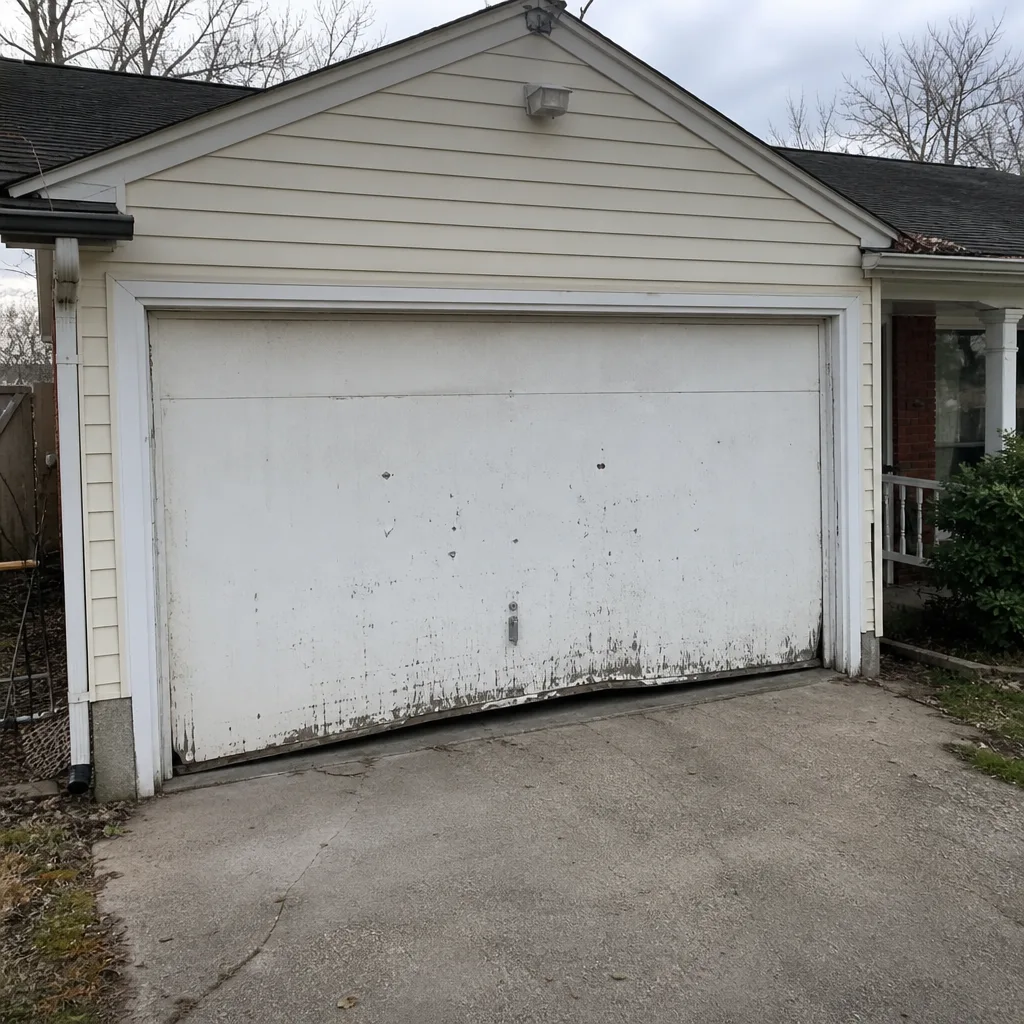 Before
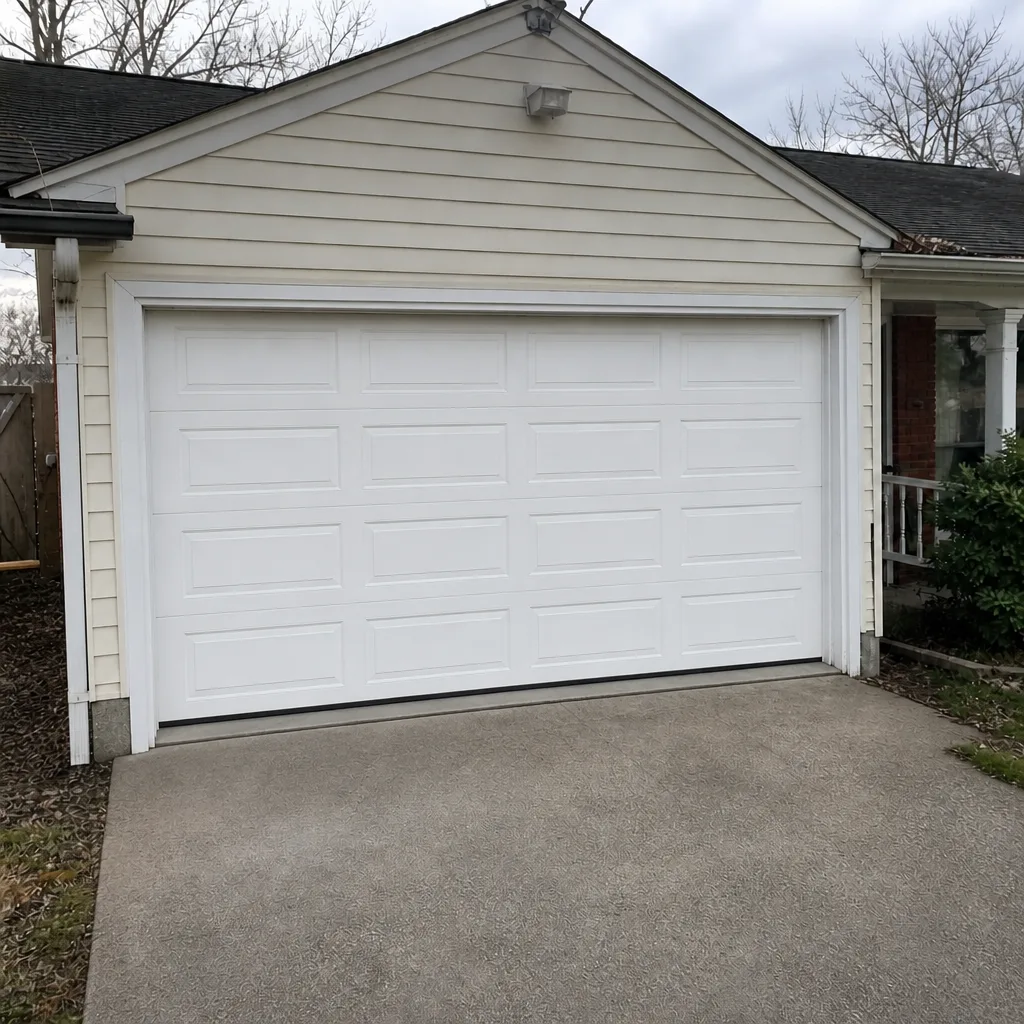 After
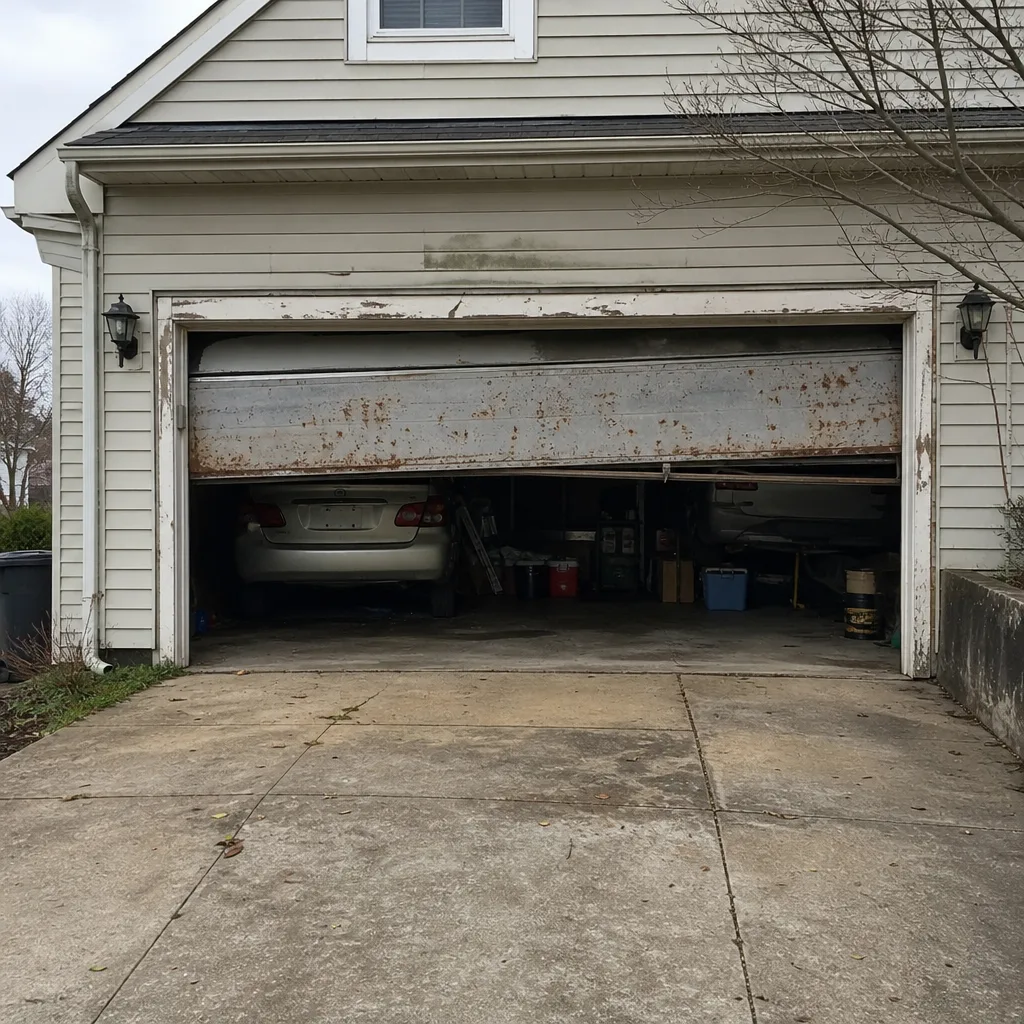 Before
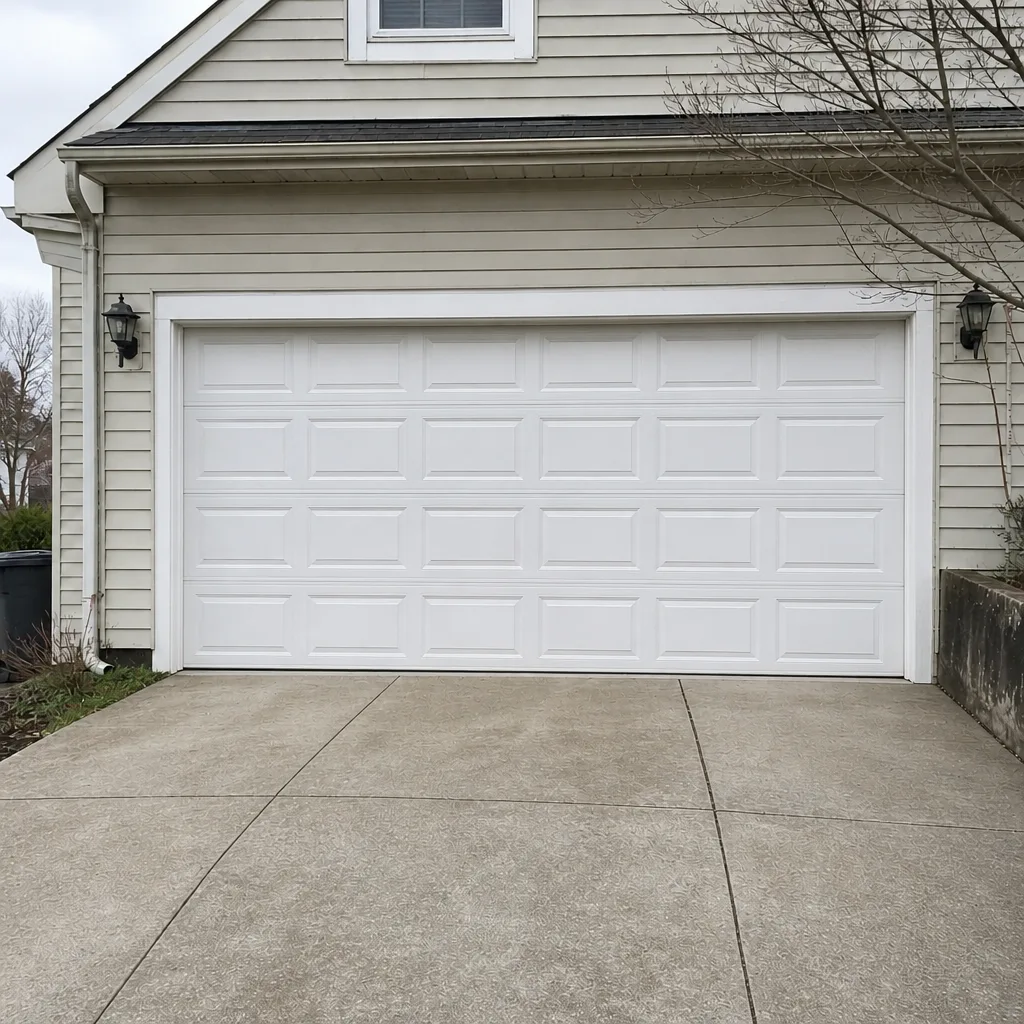 After
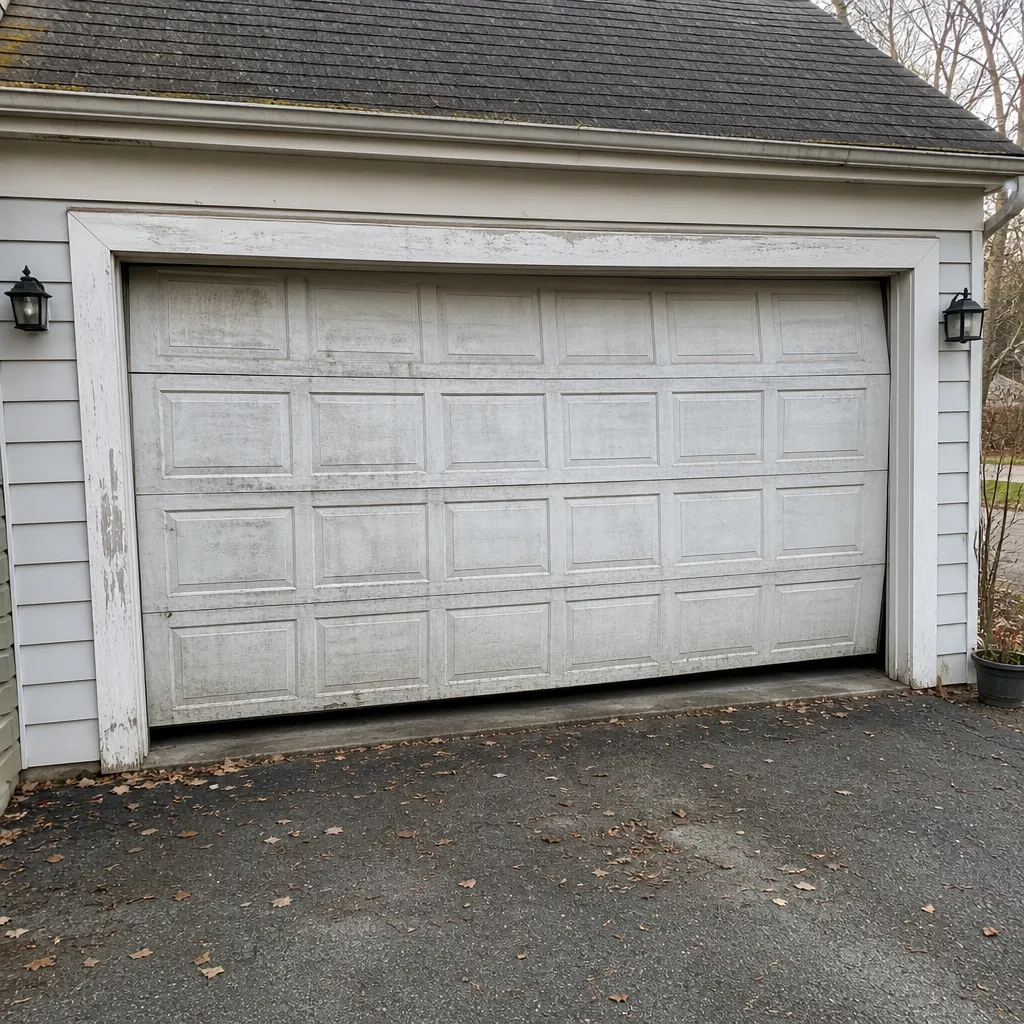 Before
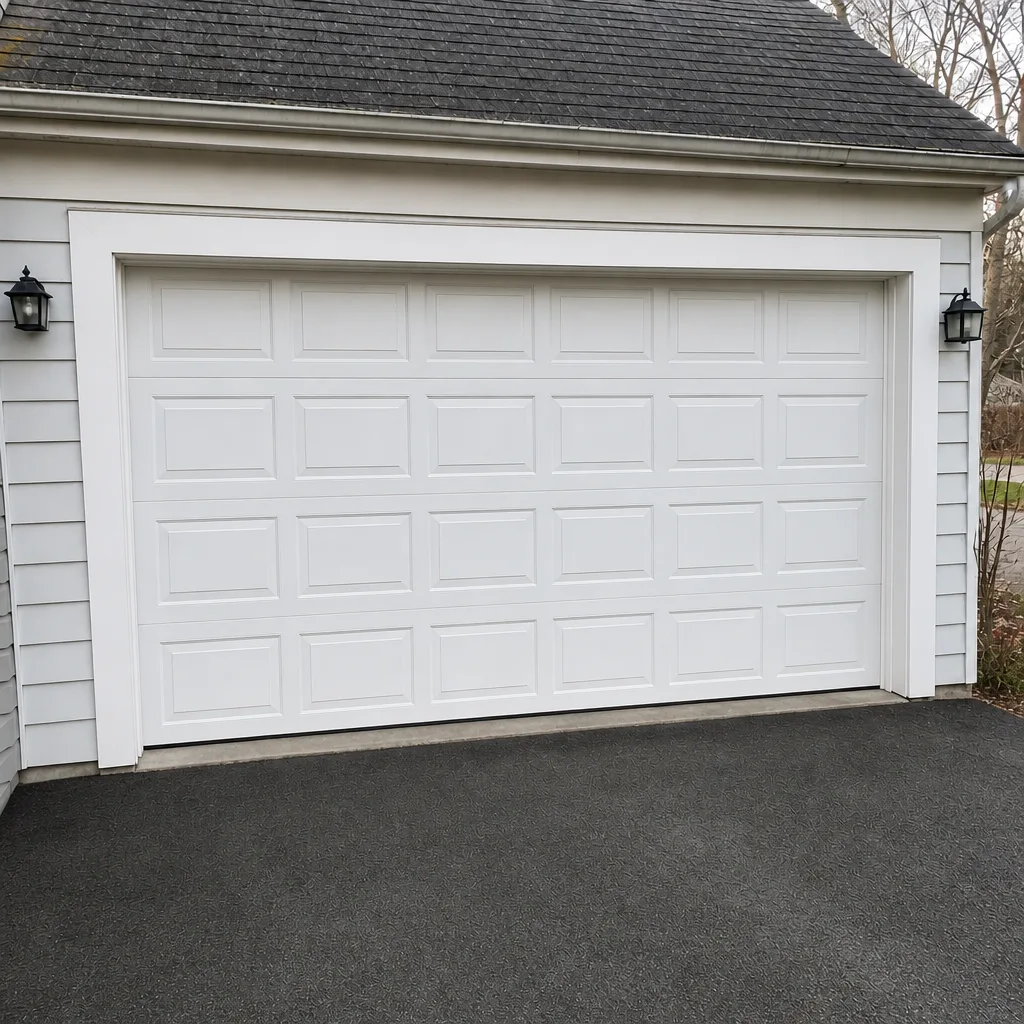 After
When to Call a Professional
Call a professional for anything involving springs, cables, torsion hardware, or electrical components that have been wet. These are the parts that cause injury, and they’re the parts a homeowner should never adjust. Call when the door is crooked, off its tracks, or won’t close fully. Call when the opener behaves unpredictably, especially after a storm. And call before severe weather if you’re unsure about your door’s balance or battery backup – a short inspection now is cheaper than an emergency repair later. If your door is in good shape and just needs routine maintenance, we can handle that too. Ellicott City Garage Door Repair offers free estimates in Ellicott City – call (877) 361-6822. We work on the brand already in your garage, from Genie and Clopay to Wayne Dalton and Amarr. One call covers the full job.
Frequently Asked Questions
Pull the red manual release cord hanging from the opener’s trolley with the door fully closed, then lift the door by hand. The door disconnects from the motor and moves freely. If your opener has battery backup, you can run the door normally until the battery runs down. Call (877) 361-6822 if you’re not sure which type of opener you have or if the door feels too heavy to lift.
Don’t operate it. Keep the power off, check the opener and its wiring for water contact, inspect the bottom panel and tracks, and call a specialist before running the door. Springs and cables under tension should never be touched, and a flooded opener is a shock hazard. Call (877) 361-6822 for an inspection and a written estimate before any work starts.
Look for a battery compartment on the motor housing, check the model number against the manufacturer’s documentation, or press the opener’s battery test button while the unit is unplugged. If the door moves with the opener unplugged, you have backup. If it doesn’t, the manual release is your plan. Call (877) 361-6822 if you can’t identify your opener.
Freeze-binding happens when snowmelt or overnight rain refreezes under the bottom seal, bonding the rubber to the concrete. Free it gently with a plastic scraper, apply warm water to the seal only, and never force it with the opener. Call (877) 361-6822 if the door is stuck repeatedly or the seal is worn.
Yes. Move vehicles to higher ground as soon as a flood watch or warning is issued, before water reaches the garage. If the power goes out and your release hasn’t been tested, the door may not open by hand. Call (877) 361-6822 if you need help checking your door before severe weather.
Yes. Springs are under constant tension, and cold temperatures make the metal more brittle, so a weakened spring is more likely to fail in winter. A snapped spring can cause serious injury, so never touch it. Call (877) 361-6822 for spring repair or replacement, and we’ll quote the work before it starts.
The Bottom Line
The garage door emergencies that strand Ellicott City homeowners are predictable. Power loss during a flood watch, freeze-binding in winter, storm debris in the tracks – these aren’t freak events. They’re the same problems that come up every season, and each one has a preparation. Test your manual release, know whether you have battery backup, protect the bottom seal, and don’t run a door that’s been wet or frozen. When you need a specialist, Ellicott City Garage Door Repair is here to help. We offer free estimates in Ellicott City – call (877) 361-6822, and we’ll quote the work before anything starts. That’s the whole plan: prepare for the predictable, and call when the problem is bigger than a checklist.
Written by the team at Ellicott City Garage Door Repair.